A Comprehensive Guide To Federal Holidays In The United States: By Year And Significance
A Comprehensive Guide to Federal Holidays in the United States: By Year and Significance
A Comprehensive Guide to Federal Holidays in the United States: By Year and Significance
Introduction
In this auspicious occasion, we are delighted to delve into the intriguing topic related to A Comprehensive Guide to Federal Holidays in the United States: By Year and Significance. Let’s weave interesting information and offer fresh perspectives to the readers.
Table of Content
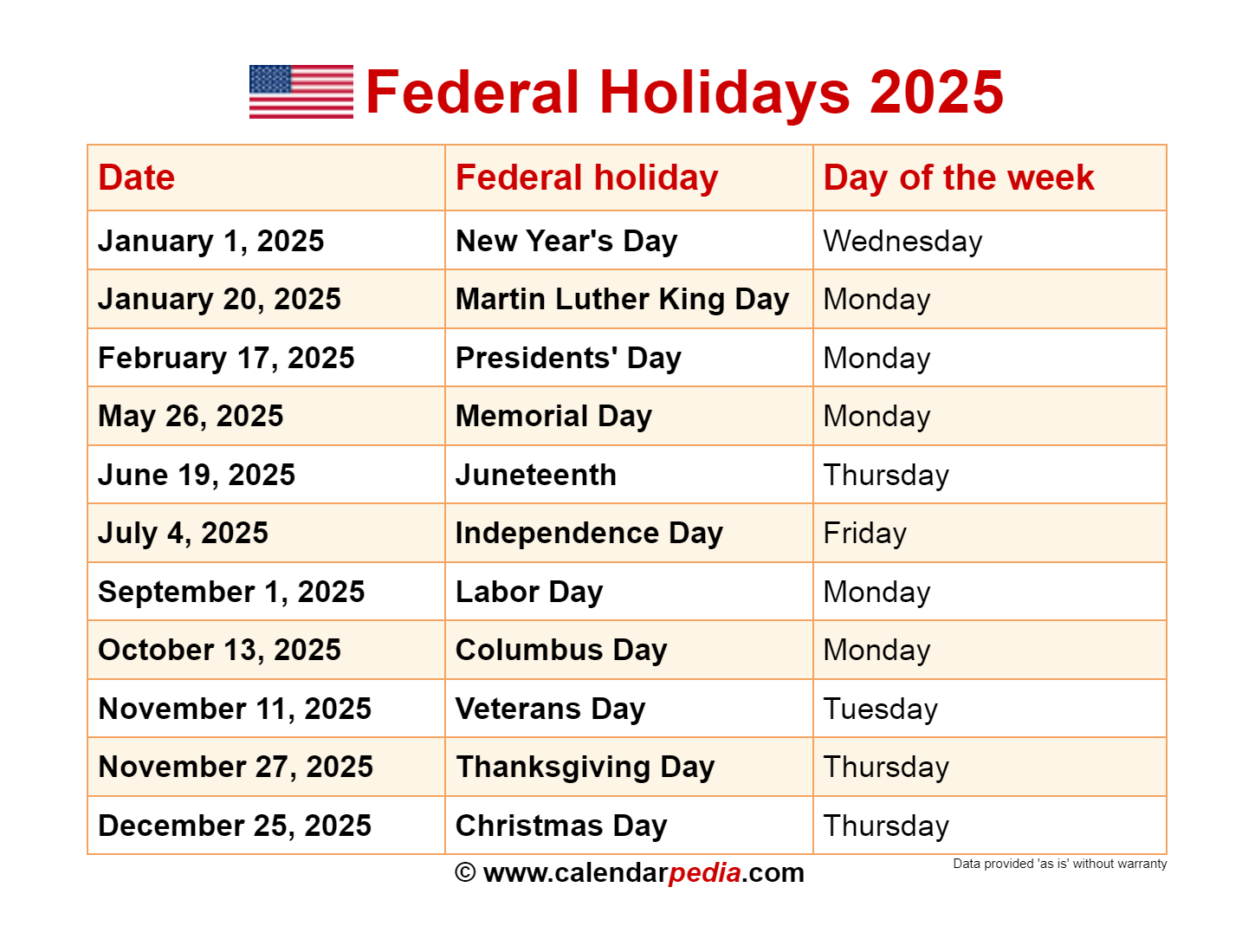
A Comprehensive Guide to Federal Holidays in the United States: By Year and Significance
Federal holidays in the United States offer a unique opportunity for reflection, commemoration, and celebration. These designated days off from work provide a chance to delve into the nation’s history, recognize important figures, and observe cultural traditions. Understanding the origins and significance of each holiday deepens appreciation for the values and events that have shaped the nation.
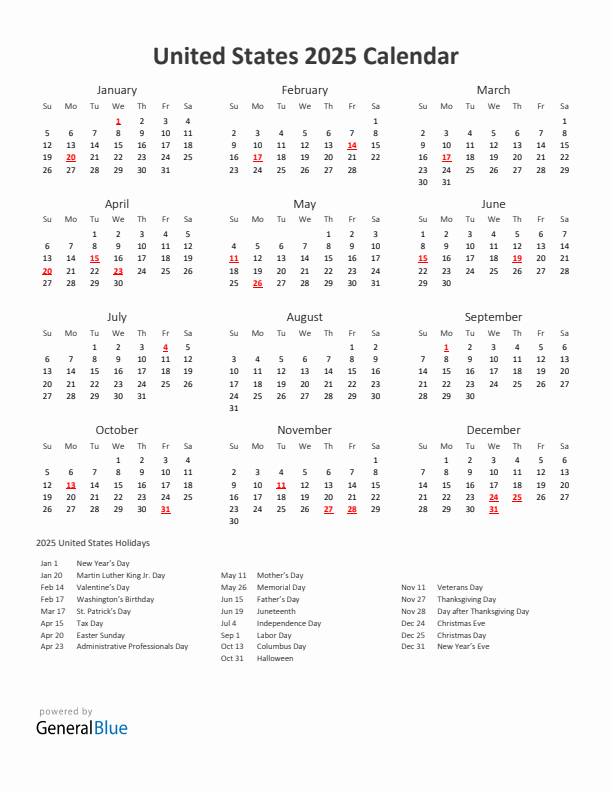
This comprehensive guide provides a year-by-year overview of federal holidays in the United States, exploring their historical context, cultural relevance, and modern-day observance.
January
- New Year’s Day (January 1st): This holiday marks the beginning of a new year and serves as a time for reflection on the past year and hopes for the future. Celebrated with fireworks, parties, and resolutions, New Year’s Day symbolizes a fresh start and the potential for positive change.
February
- Presidents’ Day (Third Monday in February): Observed on the third Monday of February, this holiday commemorates the birthdays of George Washington and Abraham Lincoln, two pivotal figures in American history. Presidents’ Day recognizes their contributions to the nation’s founding and preservation, highlighting their leadership and ideals.
May
- Memorial Day (Last Monday in May): Observed on the last Monday of May, Memorial Day is a solemn occasion dedicated to remembering and honoring those who died serving in the United States Armed Forces. It is a day for reflection on sacrifice and the enduring gratitude for those who have protected the nation’s freedom.
June
- Juneteenth National Independence Day (June 19th): Recognized as a federal holiday in 2021, Juneteenth commemorates the emancipation of enslaved African Americans in the United States. On June 19, 1865, Union General Gordon Granger arrived in Galveston, Texas, and announced the end of slavery, two and a half years after the Emancipation Proclamation. This holiday celebrates freedom, equality, and the ongoing fight for justice.
July
- Independence Day (July 4th): Celebrated on July 4th, Independence Day marks the anniversary of the signing of the Declaration of Independence in 1776, a pivotal moment in the nation’s history. This holiday commemorates the birth of the United States as an independent nation, highlighting the values of liberty, self-governance, and freedom.
September
- Labor Day (First Monday in September): Observed on the first Monday of September, Labor Day honors the contributions and achievements of American workers. It is a day to celebrate the labor movement, recognize the hard work and dedication of all workers, and acknowledge the importance of fair labor practices.
October
- Columbus Day (Second Monday in October): Observed on the second Monday of October, Columbus Day commemorates the arrival of Christopher Columbus in the Americas in 1492. However, the holiday has been increasingly subject to controversy due to its association with the colonization and exploitation of indigenous peoples. Many states and cities have replaced Columbus Day with Indigenous Peoples’ Day to acknowledge the history and contributions of Native Americans.
November
-
Veterans Day (November 11th): Observed on November 11th, Veterans Day honors all American veterans who have served in the United States Armed Forces. It is a day to express gratitude for their service, sacrifice, and dedication to the nation’s security and well-being.
-
Thanksgiving Day (Fourth Thursday in November): Observed on the fourth Thursday of November, Thanksgiving Day is a time for gratitude, family, and feasting. It commemorates the harvest festival celebrated by the Pilgrims in Plymouth, Massachusetts, in 1621, after their first successful harvest in the New World.
December
-
Christmas Day (December 25th): Celebrated on December 25th, Christmas Day marks the birth of Jesus Christ, a central figure in Christianity. It is a time for religious observance, family gatherings, gift-giving, and festive celebrations.
-
New Year’s Eve (December 31st): This holiday marks the end of the current year and is often celebrated with parties, fireworks, and countdown events. It is a time for reflection on the past year and anticipation for the new one.
FAQs by Federal Holidays by Year
New Year’s Day:
- Q: Is New Year’s Day always on January 1st?
- A: Yes, New Year’s Day is always observed on January 1st.
Presidents’ Day:
- Q: Why is Presidents’ Day celebrated on a Monday?
- A: Presidents’ Day is celebrated on the third Monday of February to create a three-day weekend for federal employees.
Memorial Day:
- Q: What is the difference between Memorial Day and Veterans Day?
- A: Memorial Day specifically honors those who died while serving in the United States Armed Forces, while Veterans Day honors all veterans who have served.
Juneteenth National Independence Day:
- Q: Why is Juneteenth celebrated on June 19th?
- A: Juneteenth commemorates June 19, 1865, when Union General Gordon Granger arrived in Galveston, Texas, and announced the end of slavery, freeing enslaved African Americans.
Independence Day:
- Q: What is the significance of the Declaration of Independence?
- A: The Declaration of Independence declared the 13 American colonies independent from British rule, establishing the United States as a sovereign nation.
Labor Day:
- Q: How is Labor Day celebrated?
- A: Labor Day is often celebrated with parades, picnics, and community gatherings to acknowledge the contributions of American workers.
Columbus Day:
- Q: Why is Columbus Day controversial?
- A: Columbus Day has been increasingly criticized for its association with the colonization and exploitation of indigenous peoples.
Veterans Day:
- Q: How can I show my appreciation for veterans?
- A: You can show your appreciation for veterans by thanking them for their service, supporting veteran organizations, and participating in events that honor their contributions.
Thanksgiving Day:
- Q: What is the traditional Thanksgiving meal?
- A: The traditional Thanksgiving meal typically includes roasted turkey, stuffing, mashed potatoes, gravy, cranberry sauce, and pumpkin pie.
Christmas Day:
- Q: What are some common Christmas traditions?
- A: Common Christmas traditions include decorating Christmas trees, exchanging gifts, attending church services, and enjoying festive meals with family and friends.
New Year’s Eve:
- Q: What are some popular ways to celebrate New Year’s Eve?
- A: Popular New Year’s Eve celebrations include attending parties, watching fireworks, and making resolutions for the new year.
Tips by Federal Holidays by Year
- New Year’s Day: Reflect on the past year, set goals for the new year, and enjoy time with loved ones.
- Presidents’ Day: Visit historical sites related to George Washington and Abraham Lincoln, learn about their lives and contributions, and reflect on their legacies.
- Memorial Day: Visit a cemetery or memorial to honor those who died serving in the United States Armed Forces, participate in a parade or ceremony, and reflect on the sacrifices made for the nation’s freedom.
- Juneteenth National Independence Day: Learn about the history of slavery and emancipation in the United States, attend events celebrating Juneteenth, and reflect on the ongoing fight for equality and justice.
- Independence Day: Attend fireworks displays, participate in parades, and reflect on the values of liberty, self-governance, and freedom that the United States was founded upon.
- Labor Day: Acknowledge the contributions of American workers, support local businesses, and reflect on the importance of fair labor practices.
- Columbus Day: Learn about the history of Native Americans in the United States, participate in events celebrating Indigenous Peoples’ Day, and reflect on the impact of colonization and exploitation on indigenous communities.
- Veterans Day: Thank veterans for their service, visit a veterans’ organization, and reflect on the sacrifices made by those who have served in the United States Armed Forces.
- Thanksgiving Day: Spend time with family and friends, express gratitude for blessings, and enjoy a traditional Thanksgiving meal.
- Christmas Day: Attend church services, exchange gifts with loved ones, and enjoy festive celebrations.
- New Year’s Eve: Celebrate the end of the year with friends and family, reflect on the past year, and make resolutions for the new year.
Conclusion
Federal holidays in the United States are more than just days off from work. They provide a unique opportunity to connect with the nation’s history, celebrate its cultural traditions, and reflect on the values that have shaped its identity. By understanding the origins and significance of each holiday, individuals can gain a deeper appreciation for the events and figures that have shaped the United States and its people. These holidays serve as reminders of the nation’s past, its present, and its aspirations for the future.
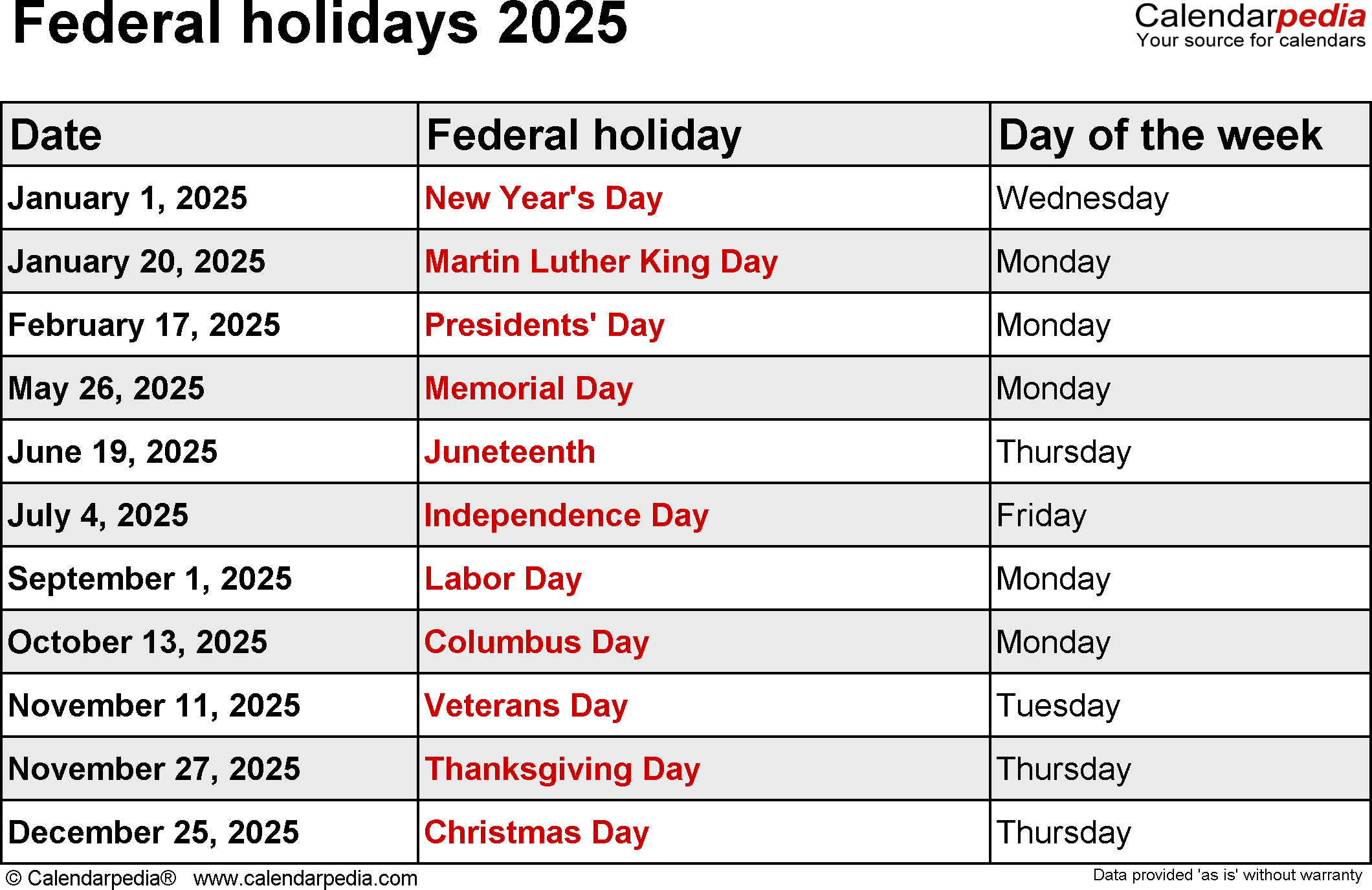


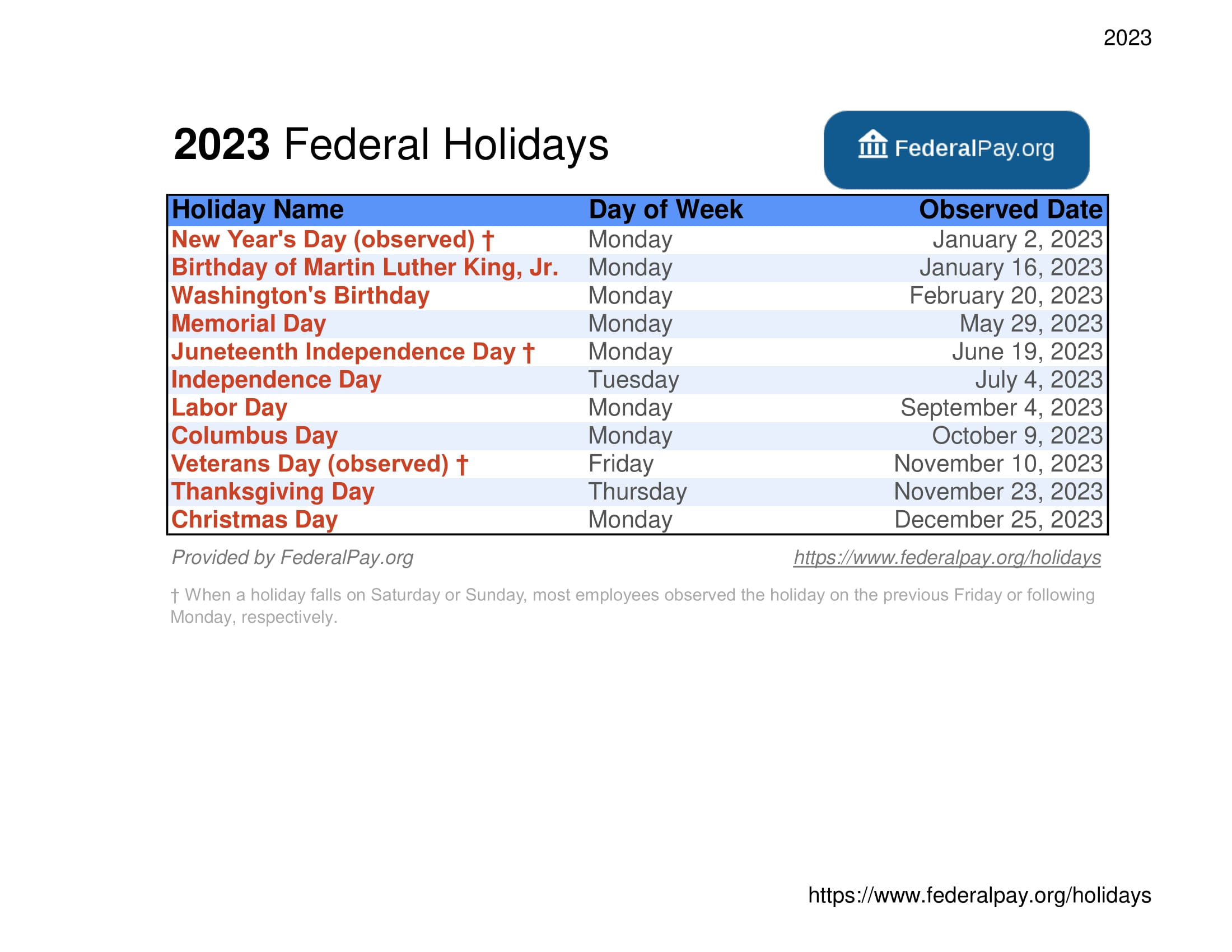
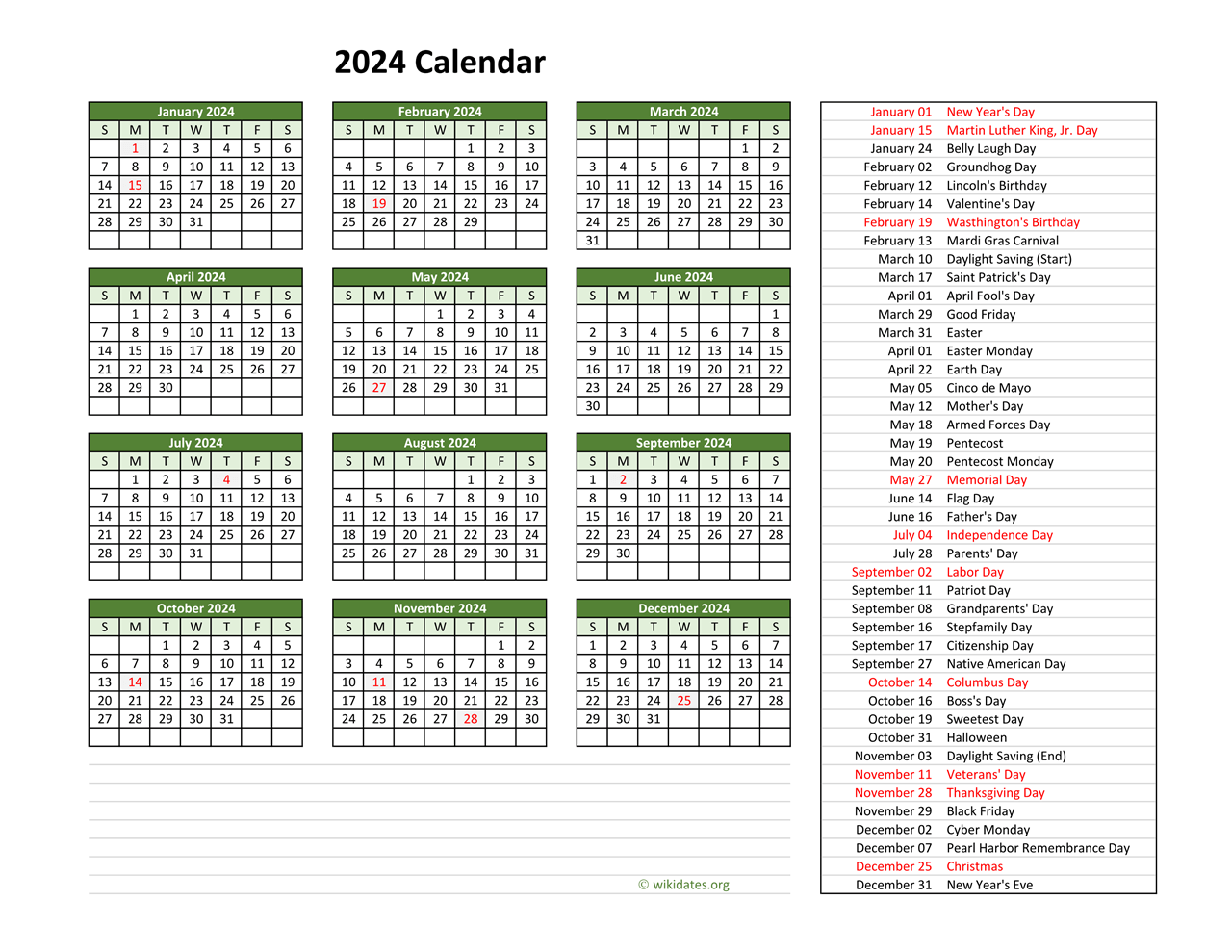

Closure
Thus, we hope this article has provided valuable insights into A Comprehensive Guide to Federal Holidays in the United States: By Year and Significance. We thank you for taking the time to read this article. See you in our next article!