A New Era Of Power: Deciphering The 2025 Formula 1 Engine Regulations
A New Era of Power: Deciphering the 2025 Formula 1 Engine Regulations
A New Era of Power: Deciphering the 2025 Formula 1 Engine Regulations
Introduction
In this auspicious occasion, we are delighted to delve into the intriguing topic related to A New Era of Power: Deciphering the 2025 Formula 1 Engine Regulations. Let’s weave interesting information and offer fresh perspectives to the readers.
Table of Content
A New Era of Power: Deciphering the 2025 Formula 1 Engine Regulations
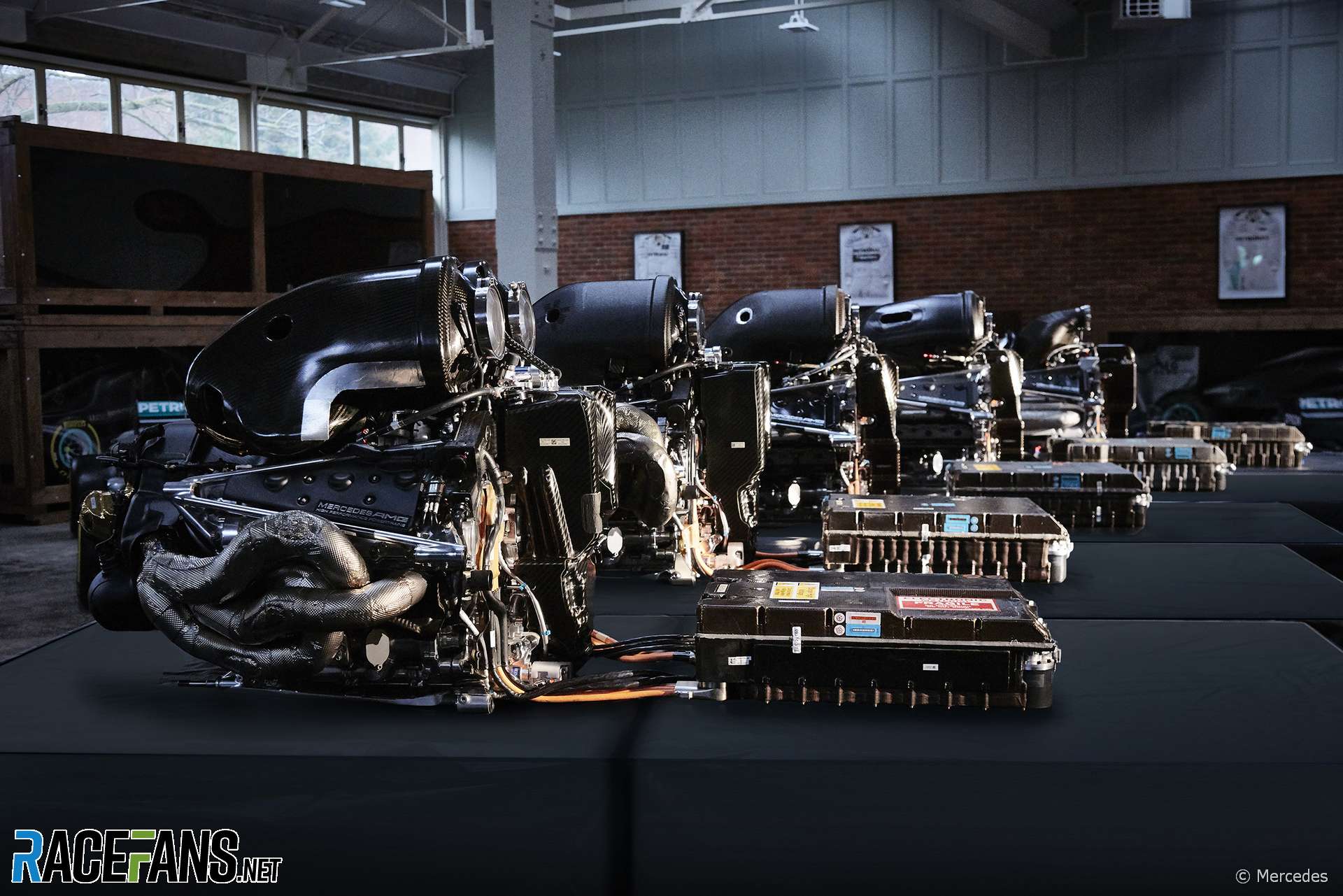
The Formula 1 world is on the cusp of a significant shift, with the 2025 engine regulations promising a revolution in power unit technology and sustainability. These regulations, meticulously crafted by the FIA and F1, aim to usher in a new era of performance, efficiency, and environmental responsibility.
The Core Changes:
The 2025 regulations build upon the current hybrid power unit architecture, retaining the core elements while introducing crucial modifications:
- Increased Electrical Power: The electric component of the power unit will play a far more prominent role, with the MGU-K (Motor Generator Unit – Kinetic) receiving a significant power boost. This shift towards electrification emphasizes the importance of energy recovery and efficiency.
- Sustainable Fuels: The regulations mandate the use of 100% sustainable fuels, marking a crucial step towards a greener future for motorsport. These fuels, derived from renewable sources and utilizing advanced technologies, offer a substantial reduction in carbon emissions compared to traditional fuels.
- Simplified Design: The regulations aim to simplify the power unit design, reducing complexity and cost. This streamlining is intended to encourage more manufacturers to enter the sport and foster a more competitive landscape.
- Enhanced Performance: While promoting sustainability, the regulations also aim to enhance performance, with the goal of achieving faster lap times and more exciting races. The increased electric power and optimized engine design contribute to this objective.
Unveiling the Benefits:
These changes offer a multitude of benefits, extending beyond the racetrack:
- Environmental Leadership: The use of sustainable fuels represents a significant step towards reducing motorsport’s environmental impact. This move aligns with the global push towards cleaner energy solutions and sets an example for other motorsports series.
- Technological Advancement: The regulations encourage innovation in power unit technology, particularly in the development of electric motors and energy recovery systems. These advancements have the potential to trickle down to road cars, contributing to the development of more efficient and sustainable vehicles.
- Cost Control: The simplified design and mandated use of standardized components aim to control costs associated with power unit development. This fosters a more level playing field for teams and encourages greater participation from potential engine manufacturers.
- Enhanced Spectacle: The increased electric power and optimized engine design promise to deliver faster lap times and more thrilling races, enhancing the spectacle for fans and attracting new audiences.
Delving Deeper into the Details:
1. Sustainable Fuels:
The regulations mandate the use of 100% sustainable fuels, a significant departure from the current reliance on fossil fuels. These fuels are derived from renewable sources, such as waste biomass, and undergo advanced processing to create a clean and efficient fuel source.
2. Power Unit Architecture:
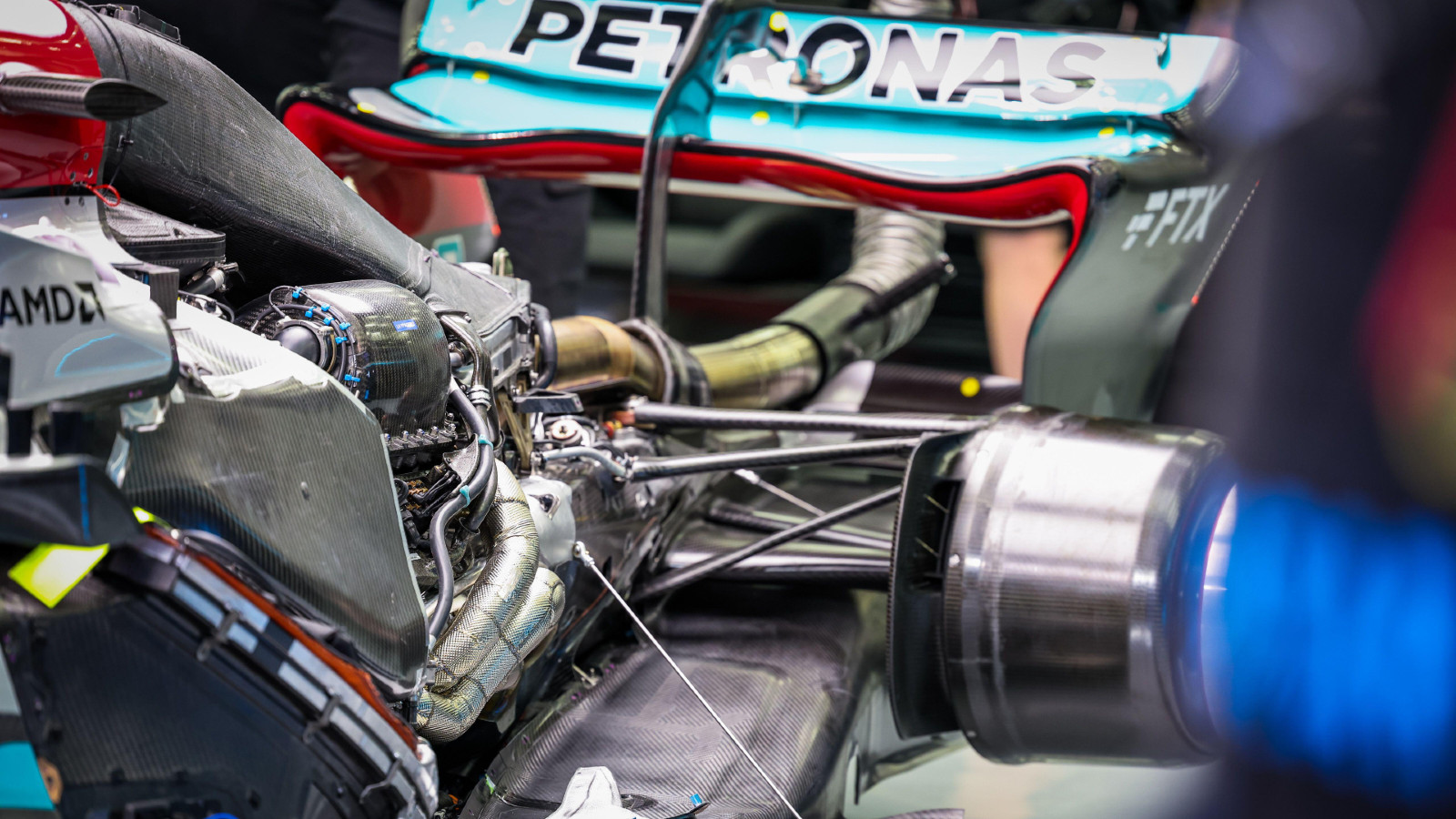
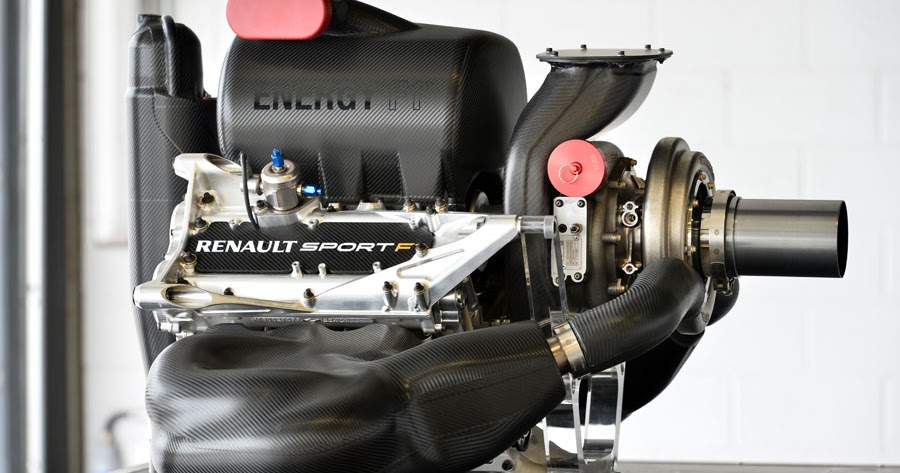
The power unit retains the current hybrid architecture, comprising an internal combustion engine (ICE) and an electric motor system. However, the electric component gains prominence with the increased power output of the MGU-K. This shift towards electrification emphasizes the importance of energy recovery and efficiency.
3. MGU-K Power Boost:
The MGU-K, responsible for recovering kinetic energy from braking, will receive a significant power boost under the 2025 regulations. This increased electric power output will contribute to faster lap times and more exciting races.
4. Simplified Design and Standardization:
The regulations aim to simplify the power unit design by mandating the use of standardized components. This approach aims to reduce complexity and cost, making engine development more accessible for potential manufacturers.
5. Performance Enhancements:
The increased electric power and optimized engine design are expected to result in faster lap times and more thrilling races, enhancing the spectacle for fans and attracting new audiences.
FAQs on the 2025 F1 Engine Regulations:
1. What are the key changes in the 2025 engine regulations?
The key changes include the introduction of 100% sustainable fuels, a significant power boost for the MGU-K, a simplified design, and the standardization of certain components.
2. How will the use of sustainable fuels impact the environment?
The use of sustainable fuels will significantly reduce carbon emissions compared to traditional fuels, making Formula 1 more environmentally responsible.
3. What are the benefits of increasing the power of the MGU-K?
The increased power of the MGU-K will contribute to faster lap times, more exciting races, and a greater emphasis on energy recovery and efficiency.
4. How will the simplified design and standardization of components affect engine development?
The simplified design and standardization of components will reduce complexity and cost, potentially encouraging more manufacturers to enter the sport and fostering a more competitive landscape.
5. How will the 2025 engine regulations impact the future of Formula 1?
The 2025 engine regulations are expected to usher in a new era of performance, efficiency, and sustainability in Formula 1, attracting new audiences and solidifying the sport’s position as a leader in technological innovation.
Tips for Understanding the 2025 F1 Engine Regulations:
- Focus on the key changes: The increased electric power, sustainable fuels, simplified design, and standardization of components are the core elements of the 2025 regulations.
- Consider the impact on the sport: The regulations are expected to influence performance, cost, and sustainability, shaping the future of Formula 1.
- Explore the technological advancements: The regulations encourage innovation in power unit technology, particularly in the development of electric motors and energy recovery systems.
- Follow the news and updates: Stay informed about the latest developments and discussions regarding the 2025 engine regulations.
- Engage with the Formula 1 community: Connect with other fans, experts, and journalists to gain different perspectives and insights.
Conclusion:
The 2025 Formula 1 engine regulations mark a pivotal moment in the sport’s history, promising a future defined by performance, sustainability, and technological innovation. The shift towards electrification, the adoption of sustainable fuels, and the simplified design are expected to shape the landscape of Formula 1 for years to come, enhancing the spectacle for fans and solidifying the sport’s position as a global leader in motorsport technology and environmental responsibility.



Closure
Thus, we hope this article has provided valuable insights into A New Era of Power: Deciphering the 2025 Formula 1 Engine Regulations. We hope you find this article informative and beneficial. See you in our next article!