Navigating Federal Holidays In 2025: A Comprehensive Guide
Navigating Federal Holidays in 2025: A Comprehensive Guide
Navigating Federal Holidays in 2025: A Comprehensive Guide
Introduction
With enthusiasm, let’s navigate through the intriguing topic related to Navigating Federal Holidays in 2025: A Comprehensive Guide. Let’s weave interesting information and offer fresh perspectives to the readers.
Table of Content
Navigating Federal Holidays in 2025: A Comprehensive Guide
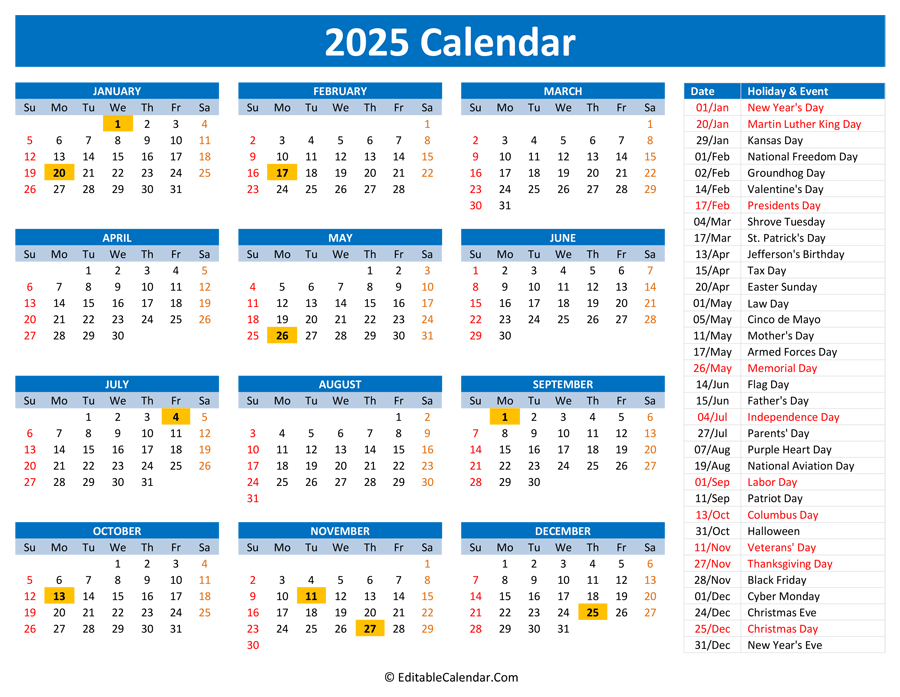
The year 2025 offers a blend of familiar and unique opportunities to pause, reflect, and celebrate. Understanding the federal holidays scheduled for the year provides a roadmap for planning personal and professional activities. This guide aims to provide a comprehensive overview of these holidays, their historical significance, and their impact on daily life.
Federal Holidays in 2025
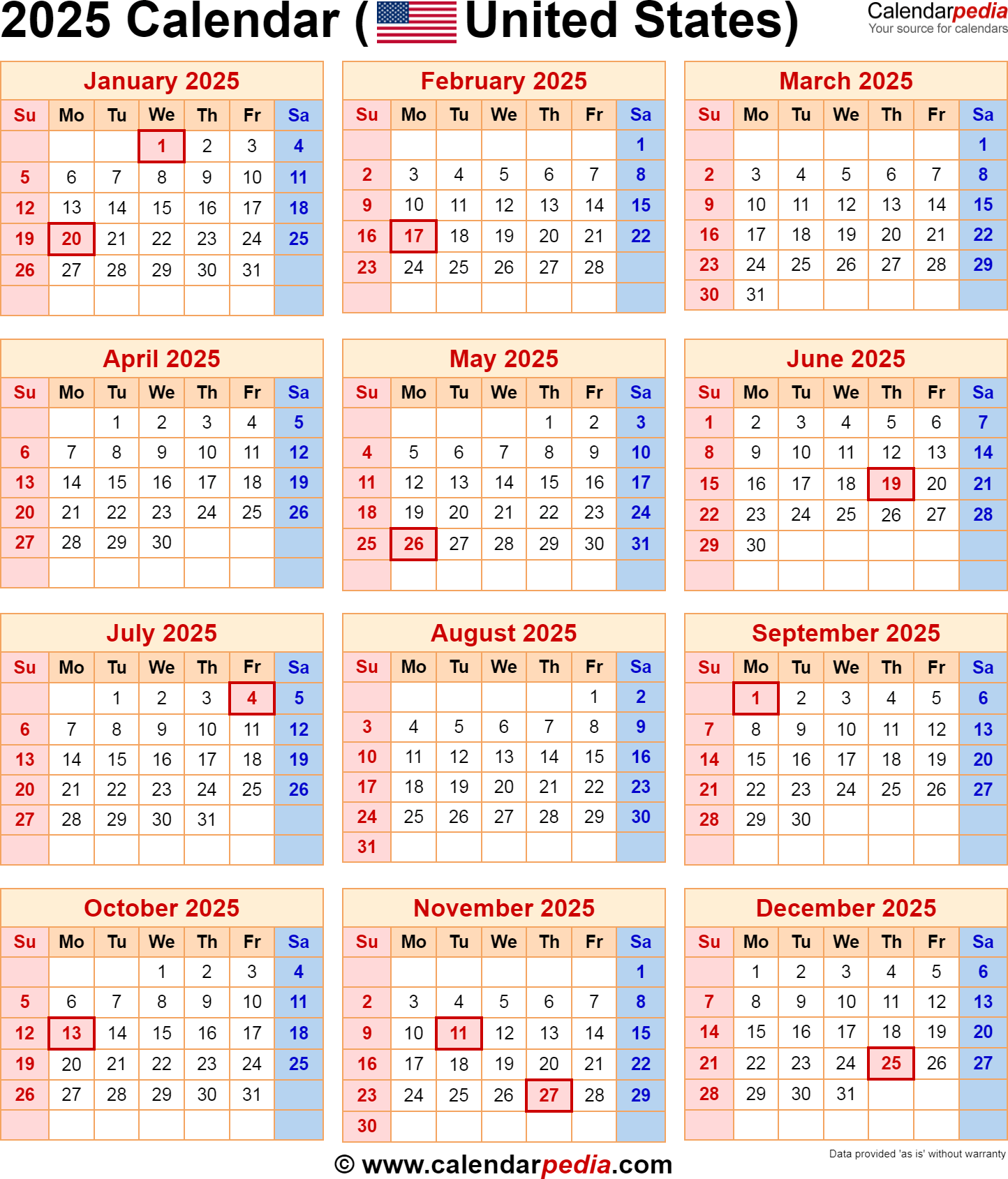
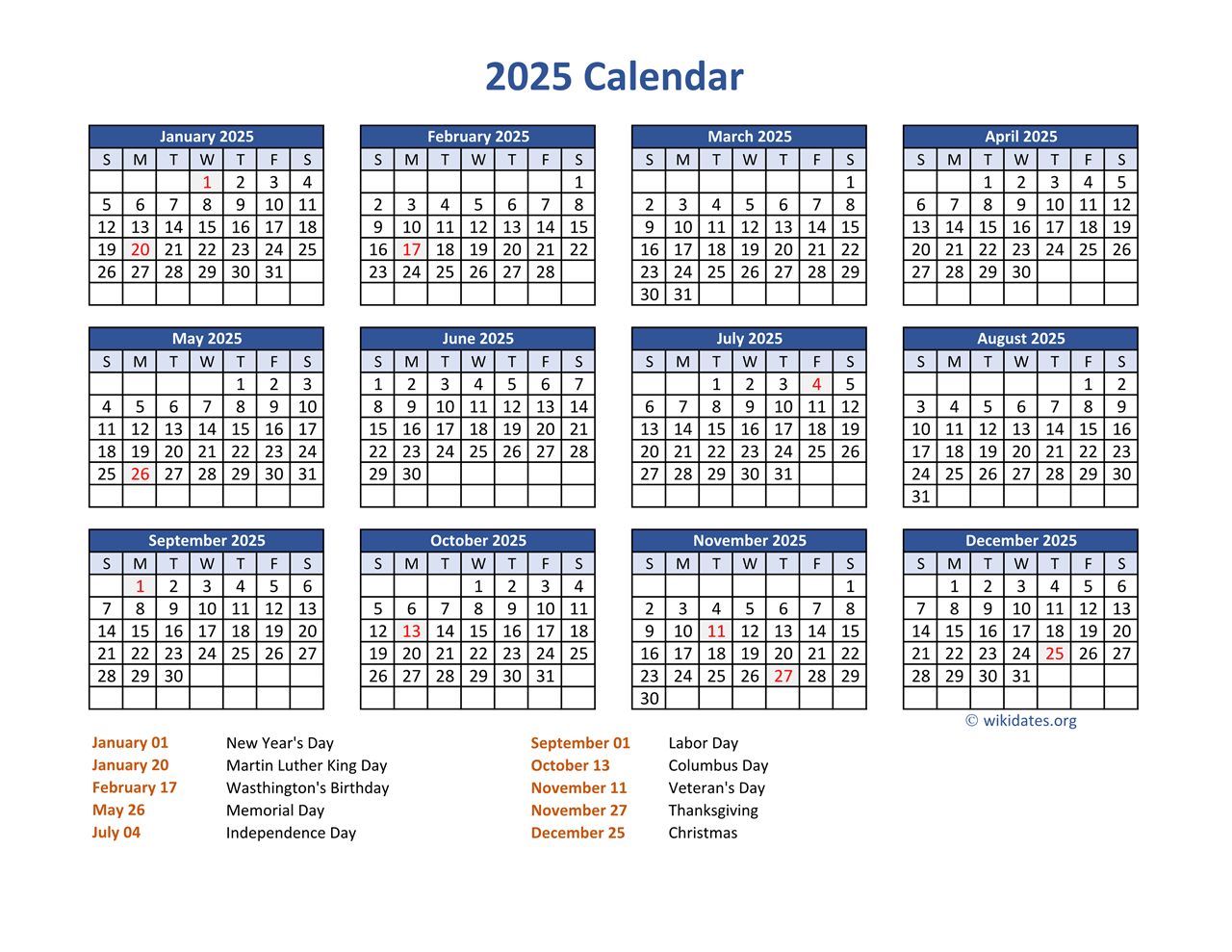
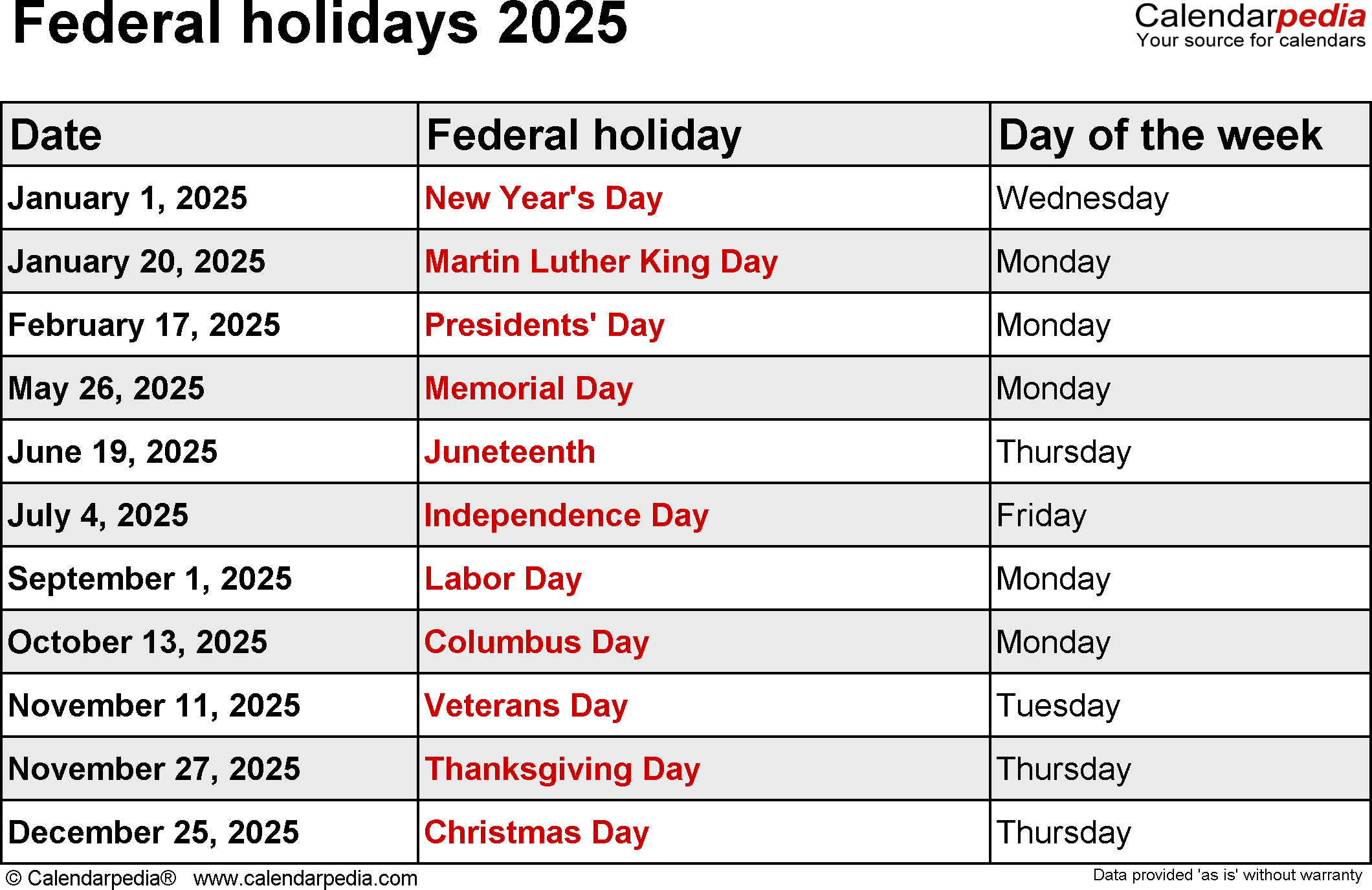
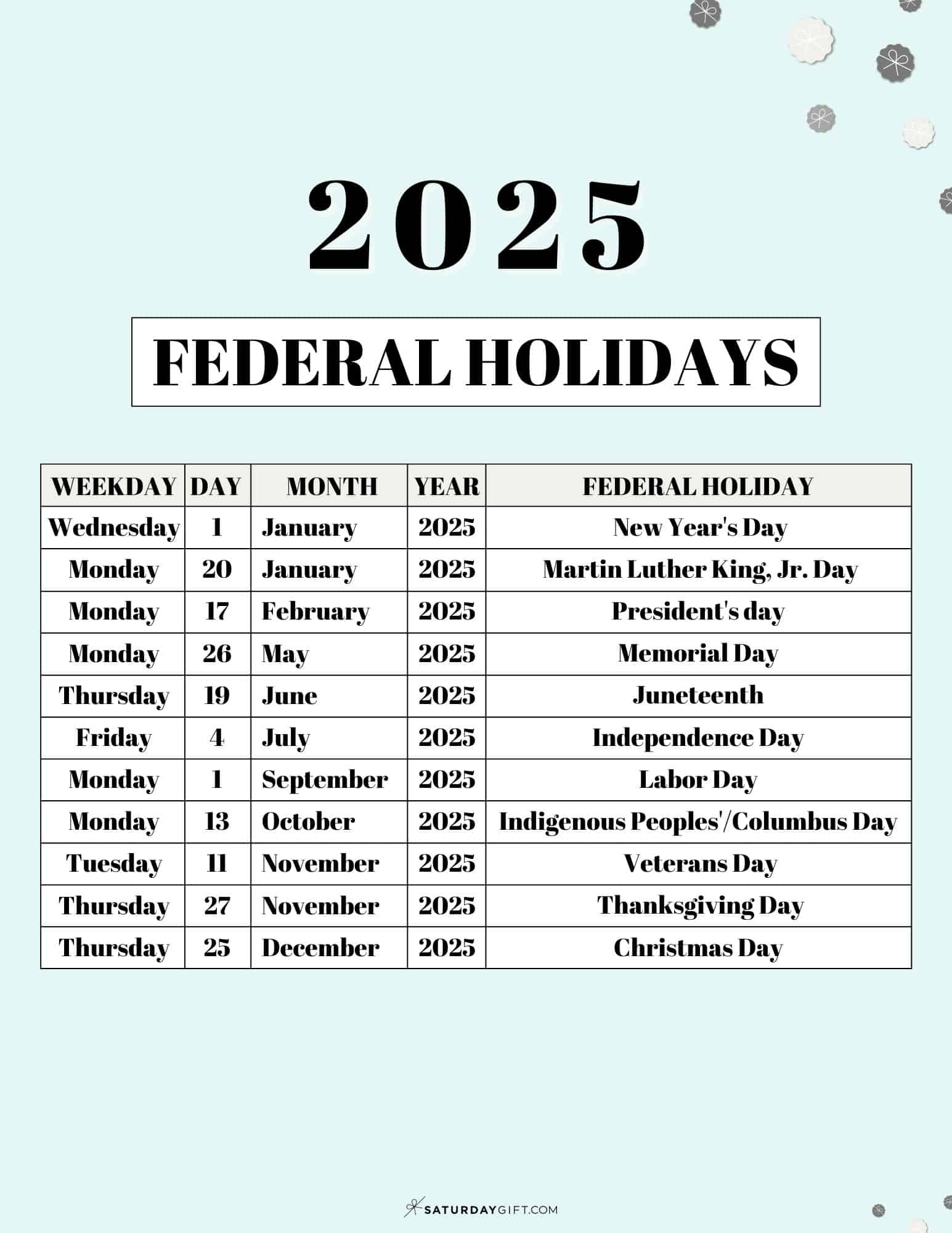
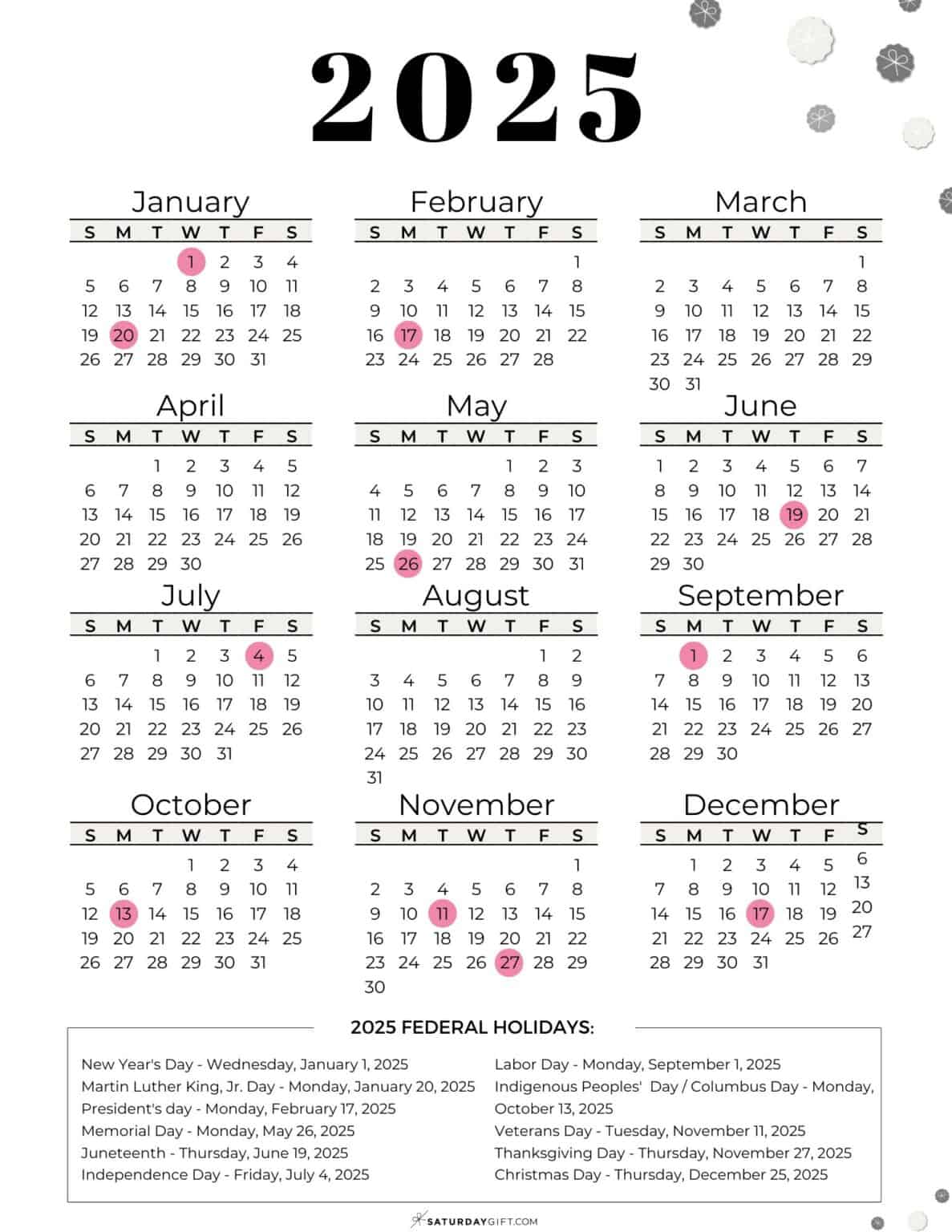
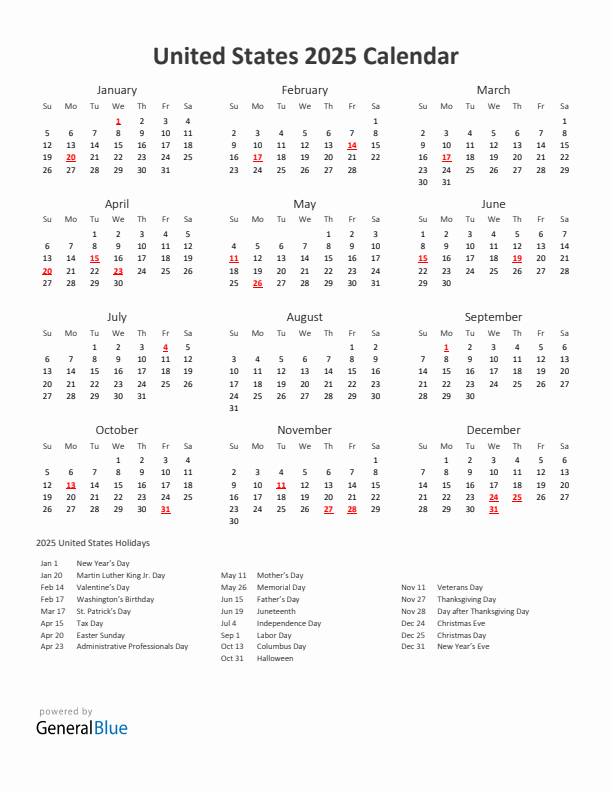
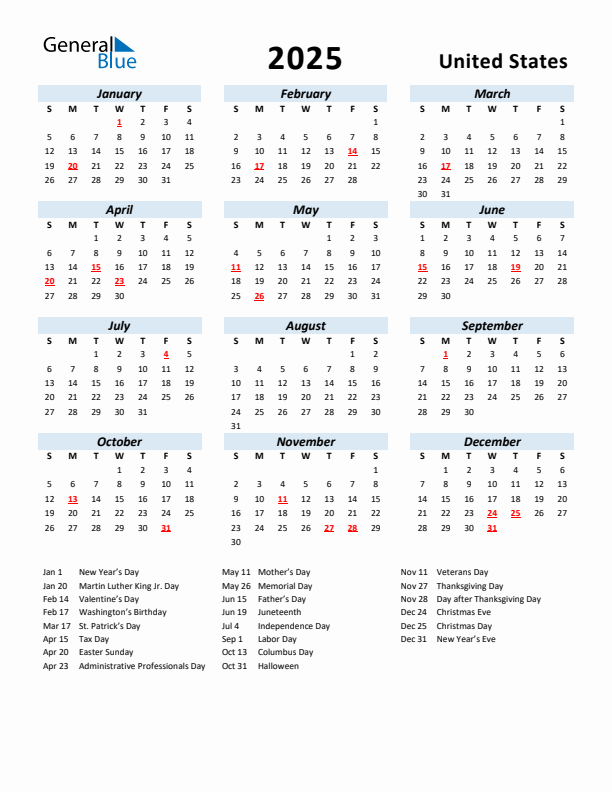
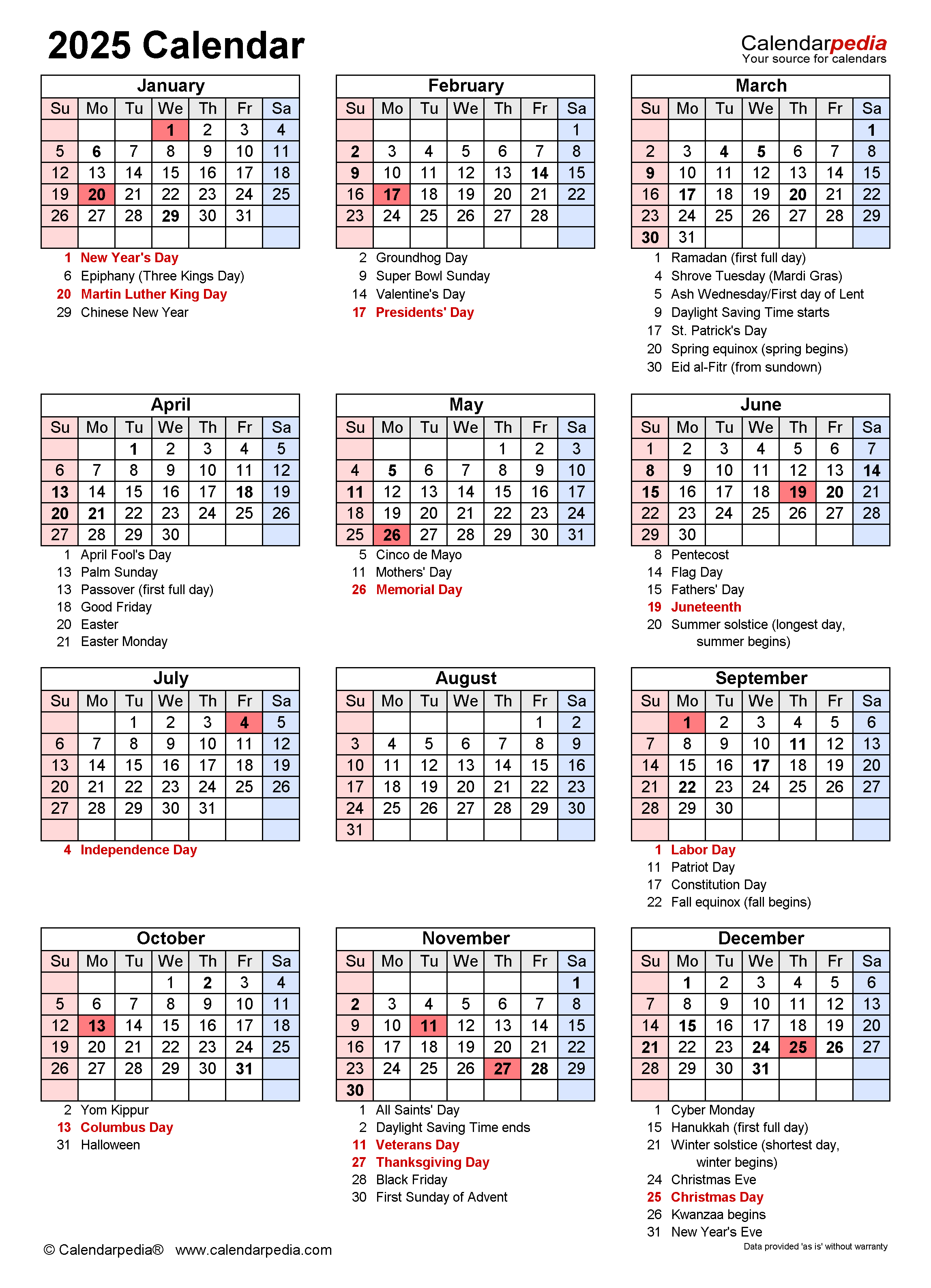
New Year’s Day (Wednesday, January 1st): Marking the beginning of a new year, this holiday provides a chance for reflection and setting new goals. While most federal offices and many businesses are closed, it is a time for family gatherings and celebrations.
Martin Luther King Jr. Day (Monday, January 20th): This day honors the life and legacy of Dr. Martin Luther King Jr., a pivotal figure in the Civil Rights Movement. It serves as a reminder of the ongoing fight for equality and justice, encouraging reflection on social progress and the importance of activism.
Presidents’ Day (Monday, February 17th): This holiday commemorates the birthdays of George Washington and Abraham Lincoln, two prominent figures in American history. It acknowledges their significant contributions to the nation’s foundation and development, offering a chance to learn about their leadership and ideals.
Memorial Day (Monday, May 26th): This solemn day honors the sacrifices of American military personnel who died in service to the country. It is a time for remembrance and gratitude, encouraging visits to war memorials and participation in parades and ceremonies.
Independence Day (Thursday, July 4th): Celebrating the signing of the Declaration of Independence in 1776, this holiday marks the birth of the United States as a nation. It is a time for patriotic celebrations, fireworks displays, and gatherings with family and friends.
Labor Day (Monday, September 1st): This holiday recognizes the contributions and achievements of American workers. It celebrates the labor movement and its role in shaping the nation’s economic and social landscape, fostering a sense of appreciation for the workforce.
Columbus Day (Monday, October 13th): This holiday commemorates the arrival of Christopher Columbus in the Americas in 1492. While its historical significance is debated, it remains a day for reflecting on the complex and multifaceted history of the Americas.
Veterans Day (Monday, November 11th): This day honors all veterans who have served in the United States Armed Forces. It is a time to express gratitude for their service and sacrifice, recognizing their contributions to national security and freedom.
Thanksgiving Day (Thursday, November 27th): This holiday celebrates the harvest and expresses gratitude for blessings received. It is a time for family gatherings, traditional feasts, and reflecting on the importance of community and shared experiences.
Christmas Day (Wednesday, December 25th): Celebrating the birth of Jesus Christ, this holiday is a time for religious observance, family gatherings, and exchanging gifts. It is a period of joy and goodwill, often marked by festive decorations and traditions.
Impact and Significance of Federal Holidays
Federal holidays hold significant cultural and economic importance. They provide opportunities for:
- Reflection and Remembrance: Days like Memorial Day and Veterans Day encourage reflection on the sacrifices made by those who serve the nation.
- Celebrating National Identity: Holidays like Independence Day and Presidents’ Day foster a sense of shared history and national pride.
- Family and Community Connections: Holidays like Thanksgiving and Christmas strengthen family bonds and create opportunities for community gatherings.
- Economic Impact: While federal offices and many businesses are closed on federal holidays, they often stimulate retail spending and tourism.
FAQs by Federal Holidays in 2025
New Year’s Day:
- Is New Year’s Day always on January 1st? Yes, New Year’s Day is always observed on January 1st, regardless of the day of the week.
- What is the significance of New Year’s Day? It marks the beginning of a new year, symbolizing fresh starts and new beginnings.
Martin Luther King Jr. Day:
- Why is Martin Luther King Jr. Day celebrated on a Monday? The holiday was established as a national holiday in 1983 and was moved to the third Monday of January to create a three-day weekend.
- What is the significance of Martin Luther King Jr. Day? It honors the life and legacy of Dr. Martin Luther King Jr., a pivotal figure in the Civil Rights Movement, and emphasizes the ongoing struggle for equality and justice.
Presidents’ Day:
- Why is Presidents’ Day celebrated on a Monday? It was established as a federal holiday in 1885 and was moved to the third Monday of February in 1971 to create a three-day weekend.
- Why are George Washington and Abraham Lincoln honored on Presidents’ Day? They are considered two of the most important figures in American history, with their contributions shaping the nation’s foundation and development.
Memorial Day:
- Why is Memorial Day celebrated on a Monday? It was established as a national holiday in 1971 and was moved to the last Monday of May to create a three-day weekend.
- What is the difference between Memorial Day and Veterans Day? Memorial Day honors those who died while serving in the United States Armed Forces, while Veterans Day honors all veterans who have served.
Independence Day:
- What is the historical significance of Independence Day? It commemorates the signing of the Declaration of Independence on July 4, 1776, declaring the United States’ independence from Great Britain.
- Why is Independence Day celebrated with fireworks displays? Fireworks have been a traditional part of Independence Day celebrations since the 18th century, symbolizing the nation’s freedom and joy.
Labor Day:
- Why is Labor Day celebrated on a Monday? It was established as a federal holiday in 1894 and was moved to the first Monday of September in 1894 to create a three-day weekend.
- What is the significance of Labor Day? It recognizes the contributions and achievements of American workers and celebrates the labor movement’s role in shaping the nation’s economic and social landscape.
Columbus Day:
- Why is Columbus Day celebrated on a Monday? It was established as a federal holiday in 1937 and was moved to the second Monday of October in 1971 to create a three-day weekend.
- What is the controversy surrounding Columbus Day? The holiday has faced criticism for its portrayal of Christopher Columbus as a heroic figure, ignoring the negative impact of his arrival on indigenous populations.
Veterans Day:
- Why is Veterans Day celebrated on a Monday? It was established as a national holiday in 1954 and was moved to the fourth Monday of October in 1971 to create a three-day weekend.
- What is the difference between Memorial Day and Veterans Day? Memorial Day honors those who died while serving in the United States Armed Forces, while Veterans Day honors all veterans who have served.
Thanksgiving Day:
- Why is Thanksgiving Day celebrated on a Thursday? It has been celebrated on the fourth Thursday of November since 1863, a proclamation by President Abraham Lincoln.
- What is the significance of Thanksgiving Day? It celebrates the harvest and expresses gratitude for blessings received, fostering a sense of community and shared experiences.
Christmas Day:
- Why is Christmas Day celebrated on December 25th? It is believed to be the date of Jesus Christ’s birth, although the exact date is uncertain.
- What is the significance of Christmas Day? It is a time for religious observance, family gatherings, and exchanging gifts, symbolizing joy, goodwill, and the spirit of giving.
Tips by Federal Holidays in 2025
- Plan Ahead: Consider travel arrangements and make reservations well in advance for popular destinations or events.
- Embrace the Spirit: Participate in local celebrations, parades, or community gatherings to connect with others and experience the holiday spirit.
- Show Appreciation: Take the opportunity to express gratitude to those who serve the nation, including veterans, first responders, and essential workers.
- Reflect and Recharge: Utilize the time off to reflect on personal goals, recharge, and reconnect with loved ones.
Conclusion by Federal Holidays in 2025
Federal holidays in 2025 offer a tapestry of historical significance, cultural traditions, and opportunities for reflection and celebration. Understanding these holidays and their impact on daily life allows for informed planning and meaningful participation. By recognizing the historical context and the values they represent, individuals can engage in these holidays with a deeper appreciation and contribute to the ongoing dialogue about national identity, civic engagement, and the shared experience of living in a diverse and dynamic society.
Closure
Thus, we hope this article has provided valuable insights into Navigating Federal Holidays in 2025: A Comprehensive Guide. We thank you for taking the time to read this article. See you in our next article!