Navigating The 2025 Federal Holiday Calendar: A Comprehensive Guide
Navigating the 2025 Federal Holiday Calendar: A Comprehensive Guide
Navigating the 2025 Federal Holiday Calendar: A Comprehensive Guide
Introduction
With enthusiasm, let’s navigate through the intriguing topic related to Navigating the 2025 Federal Holiday Calendar: A Comprehensive Guide. Let’s weave interesting information and offer fresh perspectives to the readers.
Table of Content
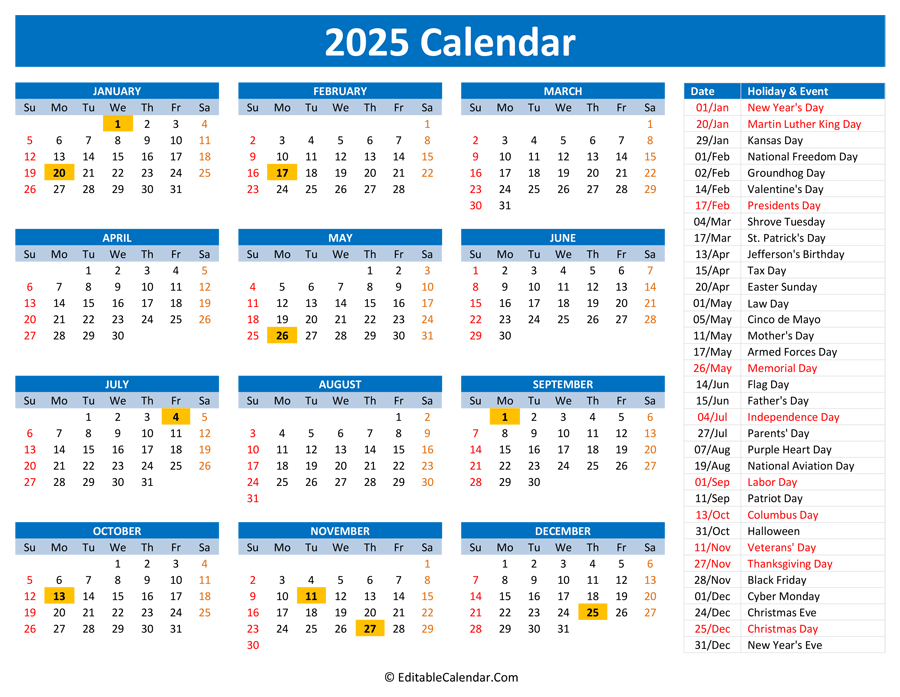
Navigating the 2025 Federal Holiday Calendar: A Comprehensive Guide
The United States federal holiday calendar provides a framework for recognizing significant historical events, cultural traditions, and national values. These observed days offer opportunities for reflection, celebration, and remembrance. Understanding the origins and significance of each holiday enriches our understanding of the American experience.
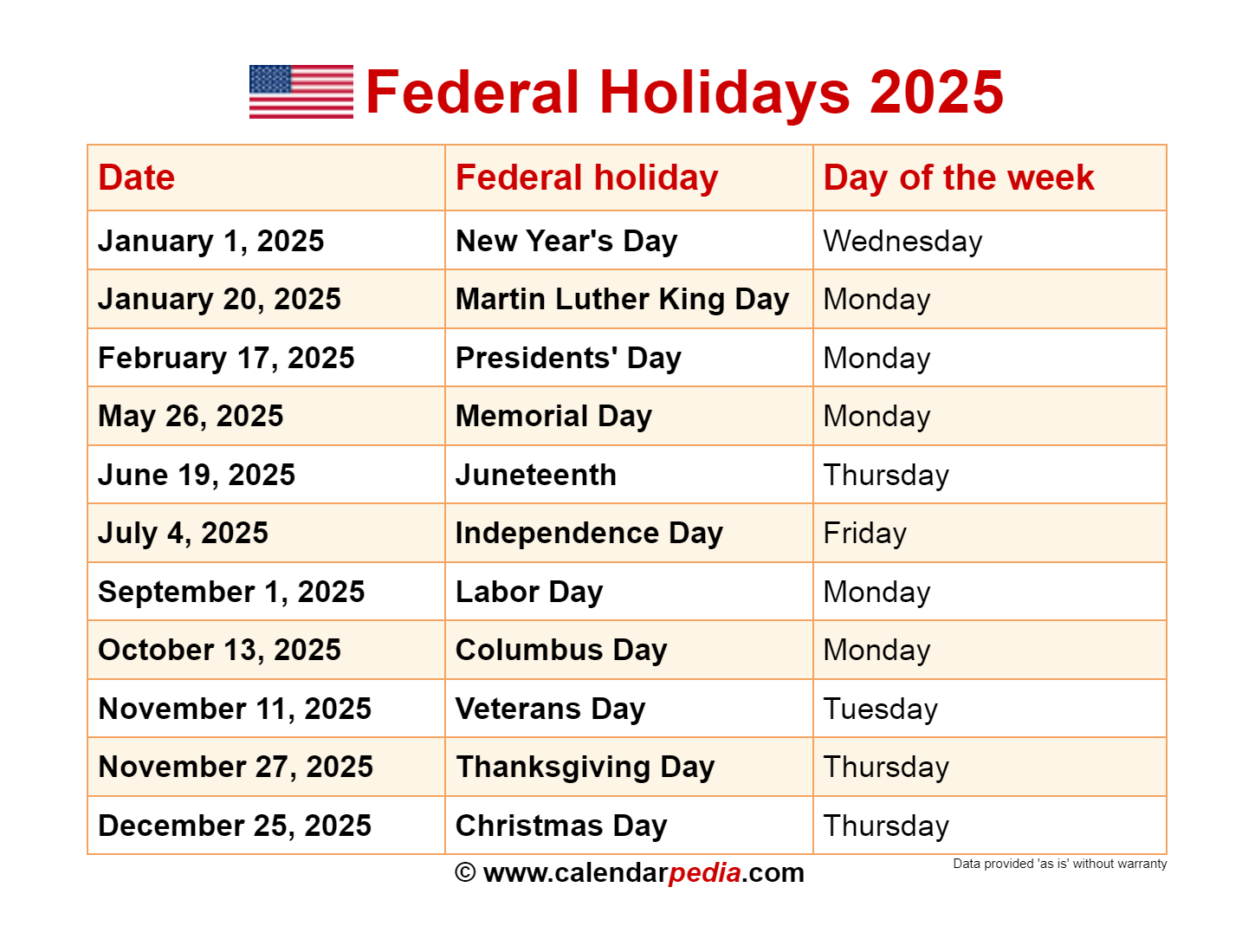
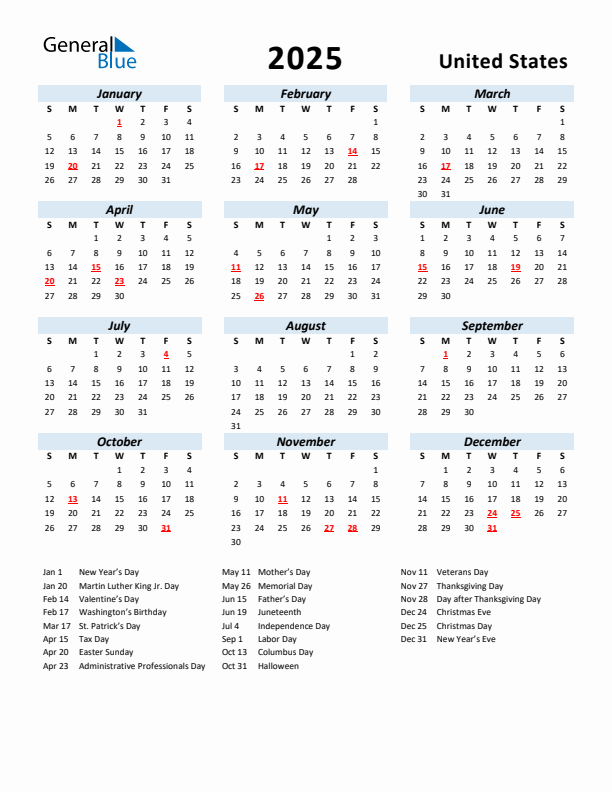
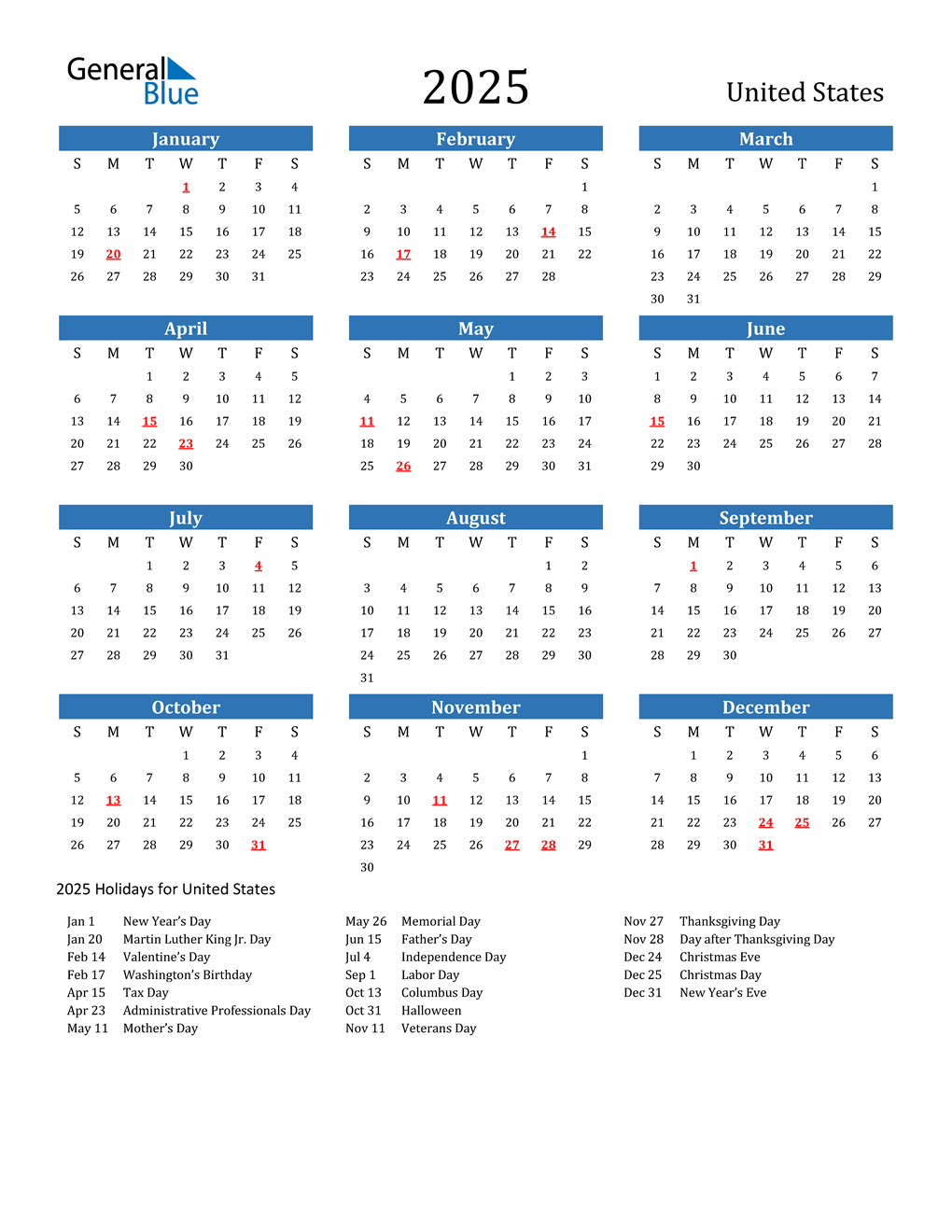
2025 Federal Holidays:
-
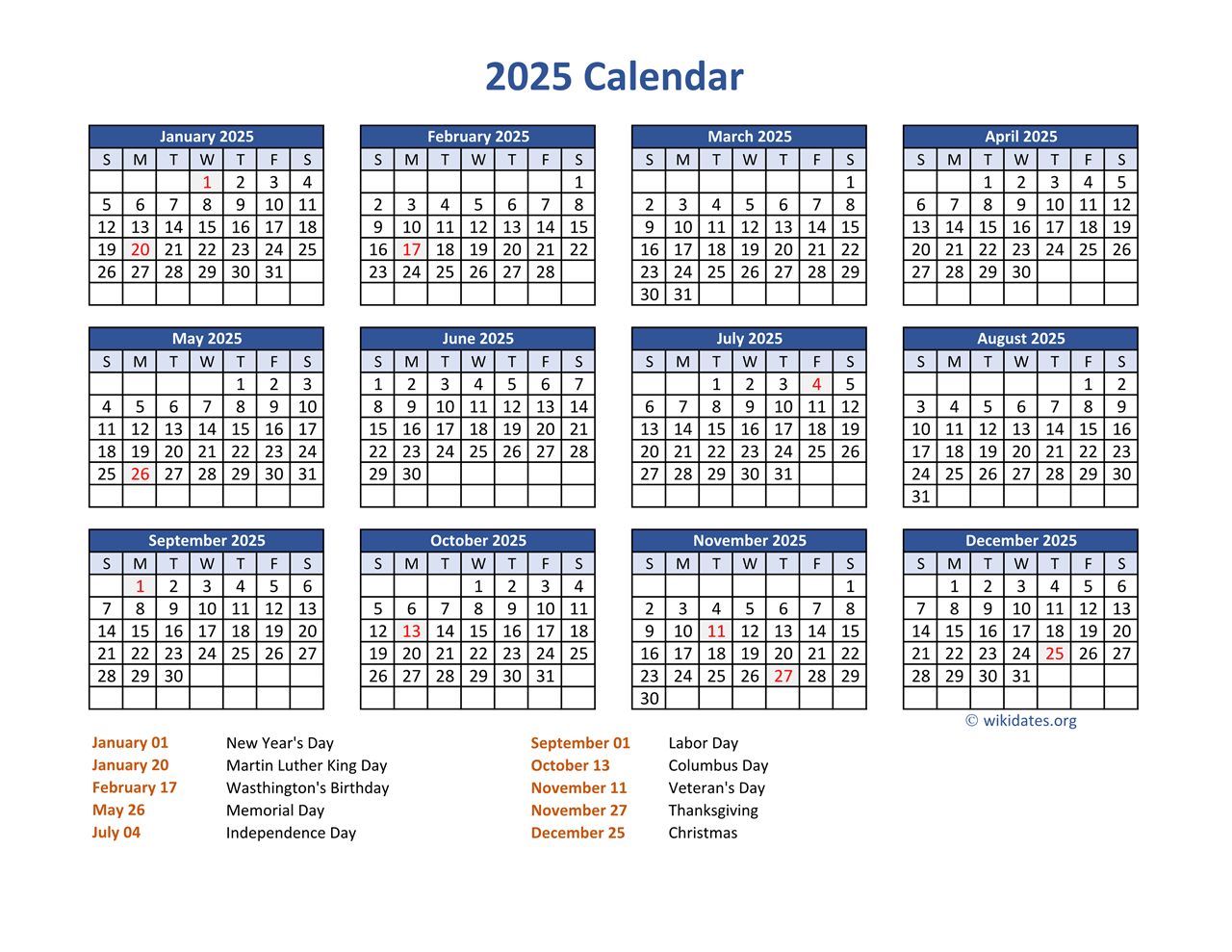
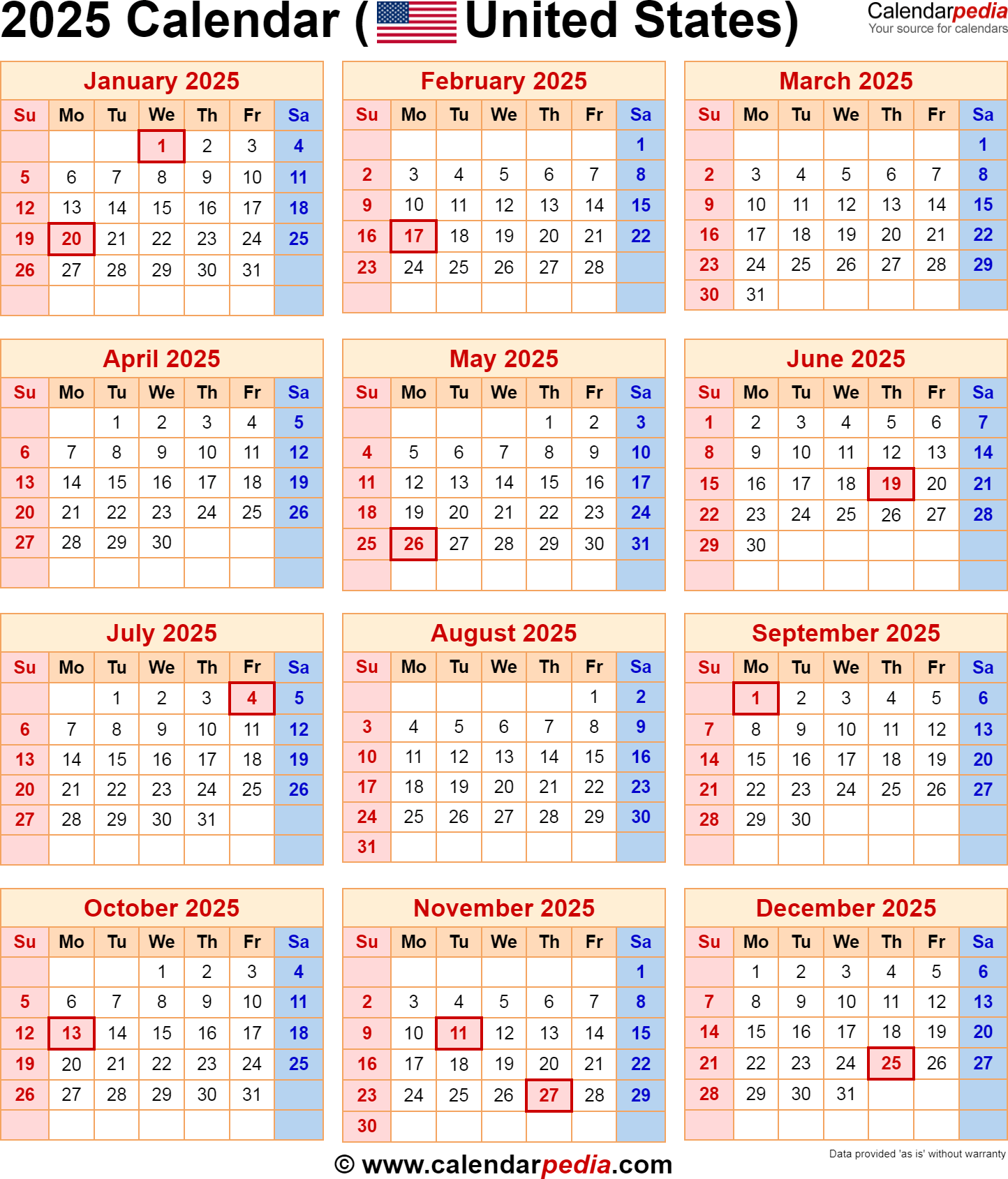
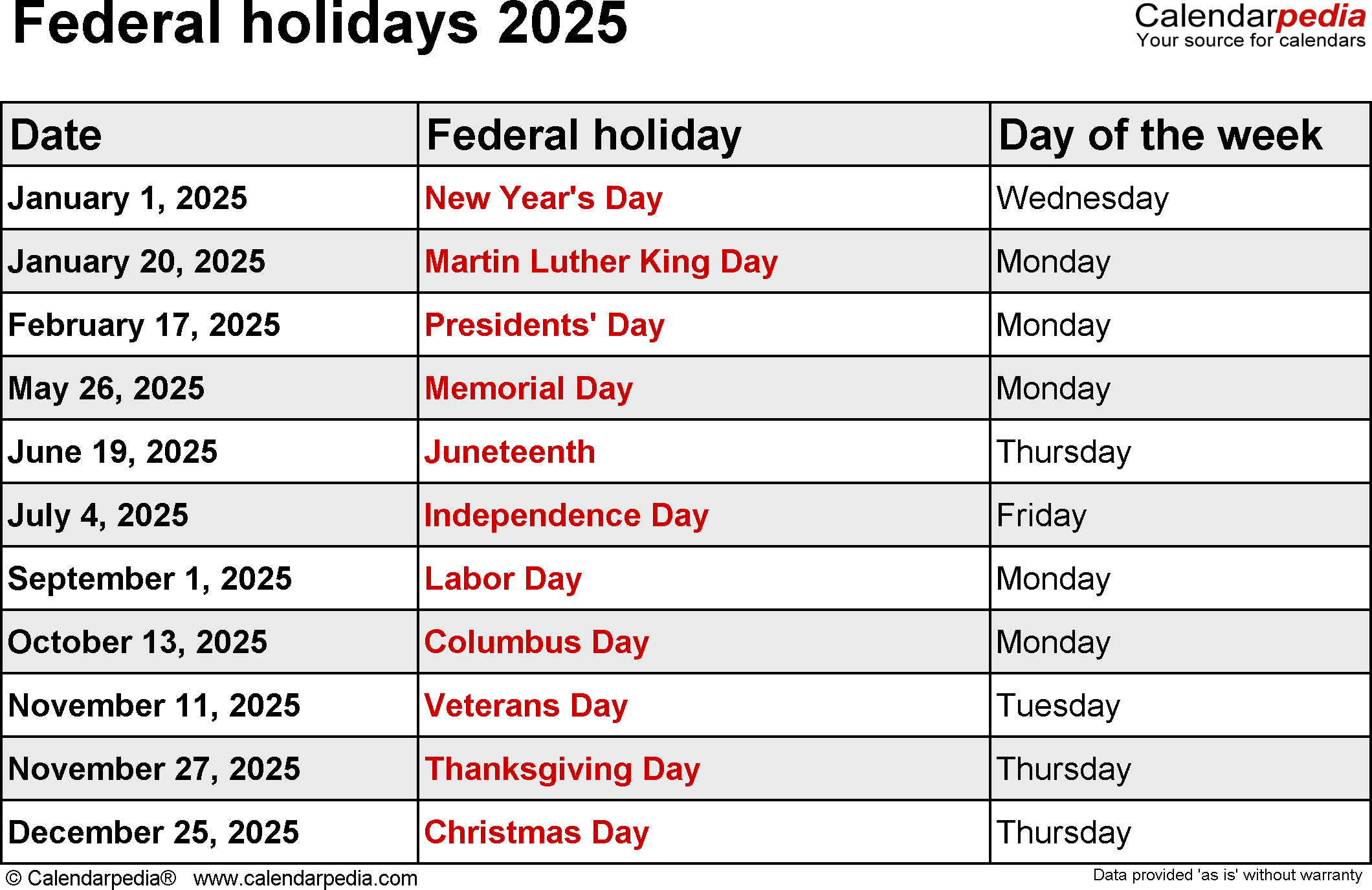
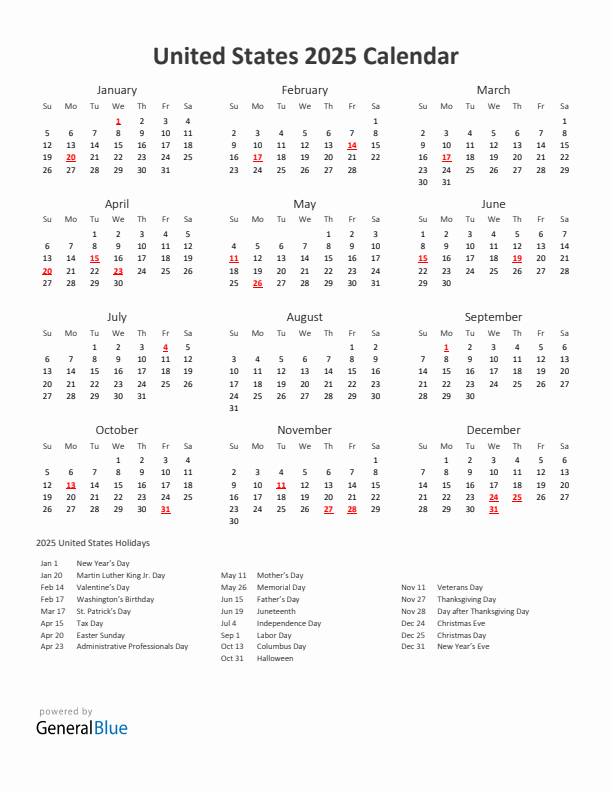
New Year’s Day (Wednesday, January 1): Marking the beginning of a new year, New Year’s Day is a time for reflection, resolutions, and fresh starts. It is a day to acknowledge the past year and set intentions for the year ahead.
-
Martin Luther King Jr. Day (Monday, January 20): Honoring the life and legacy of Dr. Martin Luther King Jr., this holiday commemorates his unwavering commitment to civil rights and social justice. It serves as a reminder to continue the fight for equality and to strive for a more just society.
-
Presidents’ Day (Monday, February 17): Celebrated on the third Monday of February, Presidents’ Day honors the contributions of all U.S. presidents, particularly George Washington and Abraham Lincoln. It acknowledges their leadership and sacrifices in shaping the nation’s history and ideals.
-
Memorial Day (Monday, May 26): Observed on the last Monday of May, Memorial Day is a solemn occasion dedicated to remembering and honoring those who died while serving in the U.S. Armed Forces. It is a day for reflection, gratitude, and remembrance of their sacrifices for our freedom.
-
Juneteenth National Independence Day (Friday, June 19): This holiday commemorates the emancipation of enslaved African Americans in the United States. It celebrates freedom and resilience, marking the end of slavery and the beginning of a new chapter in American history.
-
Independence Day (Wednesday, July 4): Celebrated on July 4th, Independence Day commemorates the signing of the Declaration of Independence in 1776. It is a day of national pride, celebrating the birth of the United States and the principles of liberty and self-governance.
-
Labor Day (Monday, September 1): Observed on the first Monday of September, Labor Day honors the contributions and achievements of American workers. It is a day to recognize the vital role of labor in building and sustaining the nation’s economy.
-
Columbus Day (Monday, October 13): Observed on the second Monday of October, Columbus Day commemorates the arrival of Christopher Columbus in the Americas in 1492. However, the holiday has been subject to debate and controversy due to its portrayal of Columbus’s actions and their impact on indigenous populations.
-
Veterans Day (Wednesday, November 11): Observed on November 11th, Veterans Day honors all veterans who have served in the U.S. Armed Forces. It is a day to express gratitude and appreciation for their service and sacrifices for our country.
-
Thanksgiving Day (Thursday, November 27): Celebrated on the fourth Thursday of November, Thanksgiving Day is a time for family, friends, and gratitude. It commemorates the Pilgrims’ first harvest in the New World and the importance of shared meals and community.
-
Christmas Day (Wednesday, December 25): Celebrated on December 25th, Christmas Day is a religious holiday that celebrates the birth of Jesus Christ. It is a time for family gatherings, gift-giving, and spreading joy and goodwill.
Frequently Asked Questions (FAQs)
Q: Are all federal holidays observed on the same day across the country?
A: While federal holidays are designated nationally, some states and localities may observe them differently. For example, some states may have additional holidays or may observe federal holidays on different days. It is essential to check local regulations for specific observance details.
Q: What are the benefits of federal holidays?
A: Federal holidays provide various benefits, including:
- Time for reflection and remembrance: Holidays allow individuals to pause and reflect on historical events, cultural traditions, and national values.
- Opportunity for celebration: Holidays offer a chance to celebrate shared experiences and cultural heritage.
- Family time and gatherings: Many holidays are associated with family traditions and gatherings, strengthening social bonds.
- Economic benefits: Holidays can stimulate economic activity through increased travel, shopping, and entertainment.
Q: Are there any tips for making the most of federal holidays?
A: Here are some tips for maximizing the benefits of federal holidays:
- Plan ahead: Consider travel plans, family gatherings, or other activities to make the most of the holiday period.
- Engage in meaningful activities: Use the holiday time for reflection, learning, or community service.
- Respect cultural traditions: Be mindful of different cultural traditions and perspectives associated with holidays.
- Enjoy the time off: Take advantage of the holiday break to relax, recharge, and spend quality time with loved ones.
Conclusion:
The federal holiday calendar provides a valuable framework for understanding and celebrating significant events in American history and culture. By recognizing these holidays, we acknowledge the contributions of those who have shaped our nation and foster a sense of shared identity. By taking advantage of these opportunities for reflection, celebration, and remembrance, we can strengthen our appreciation for our nation’s heritage and build a stronger and more unified society.

Closure
Thus, we hope this article has provided valuable insights into Navigating the 2025 Federal Holiday Calendar: A Comprehensive Guide. We hope you find this article informative and beneficial. See you in our next article!