Navigating The Calendar: A Comprehensive Guide To 2025 Federal Employee Holidays
Navigating the Calendar: A Comprehensive Guide to 2025 Federal Employee Holidays
Navigating the Calendar: A Comprehensive Guide to 2025 Federal Employee Holidays
Introduction
With enthusiasm, let’s navigate through the intriguing topic related to Navigating the Calendar: A Comprehensive Guide to 2025 Federal Employee Holidays. Let’s weave interesting information and offer fresh perspectives to the readers.
Table of Content

Navigating the Calendar: A Comprehensive Guide to 2025 Federal Employee Holidays
The federal government, in its role as a significant employer, recognizes a set of holidays to acknowledge significant historical events, cultural traditions, and periods of national reflection. These holidays provide federal employees with designated days off, fostering a healthy work-life balance and promoting a sense of shared national identity.
While the exact dates of some holidays may fluctuate based on the calendar year, the overall schedule remains consistent. This guide provides a detailed breakdown of the 2025 federal employee holidays, encompassing their significance and the benefits they offer to both individuals and the government as a whole.
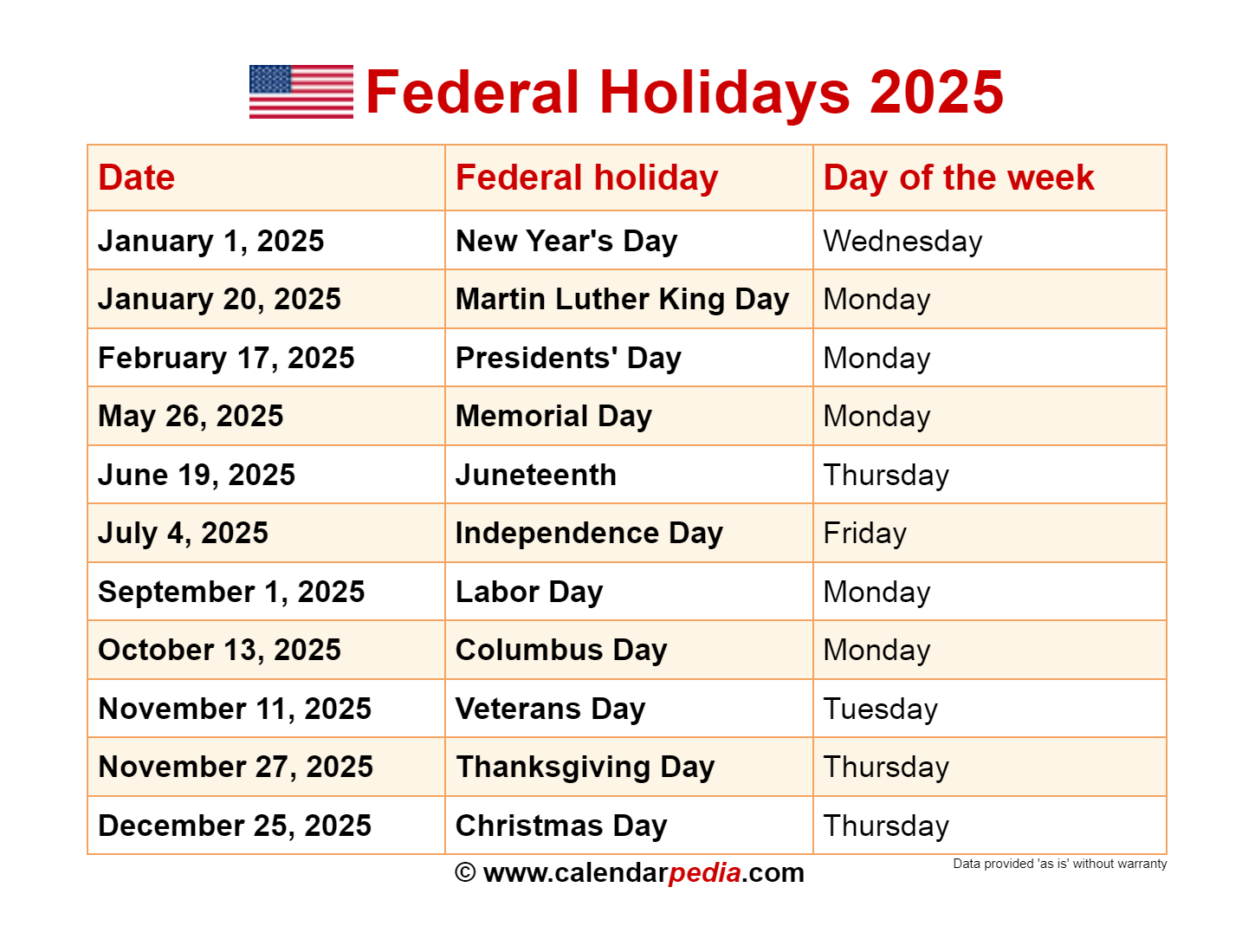
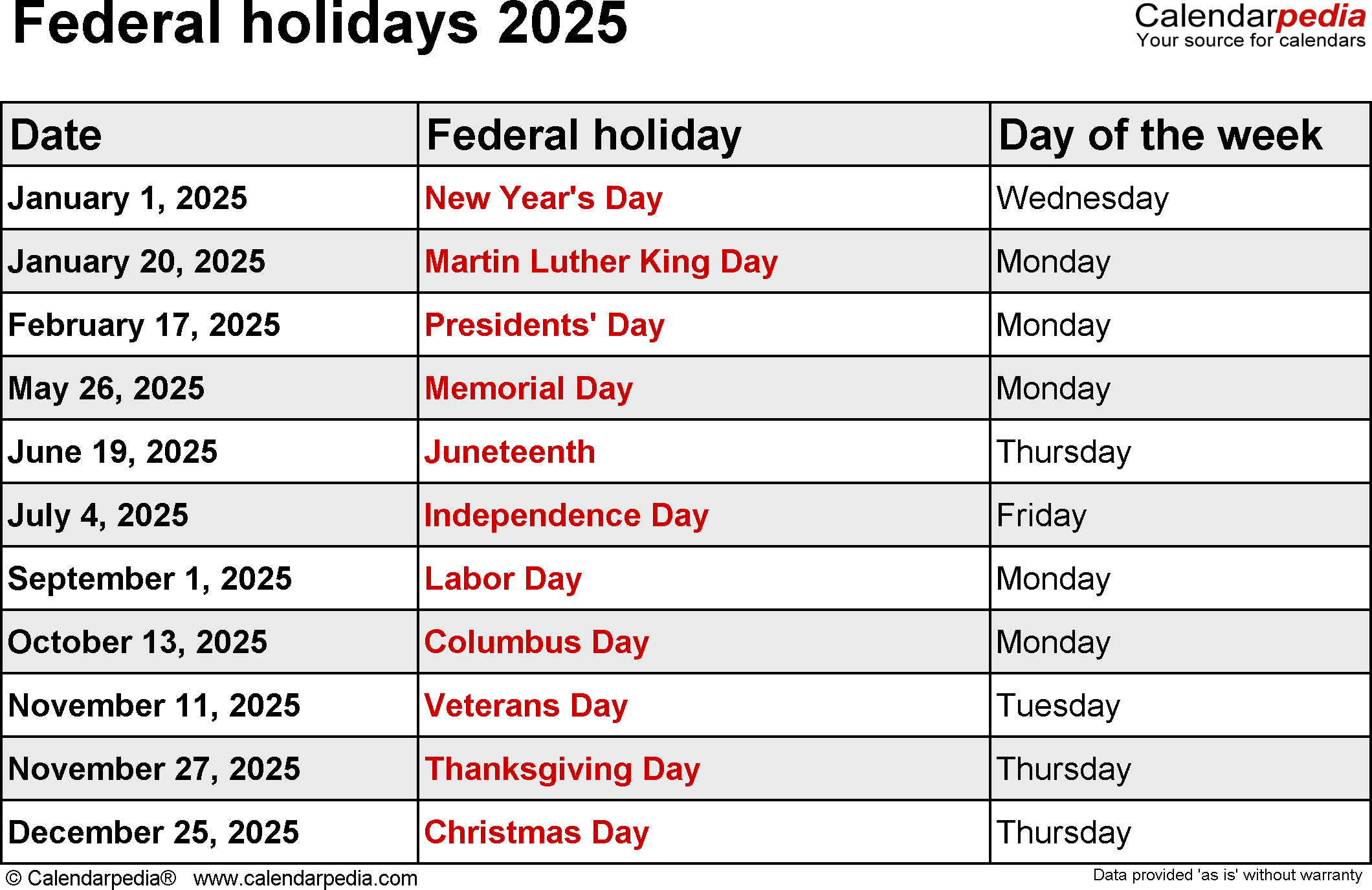
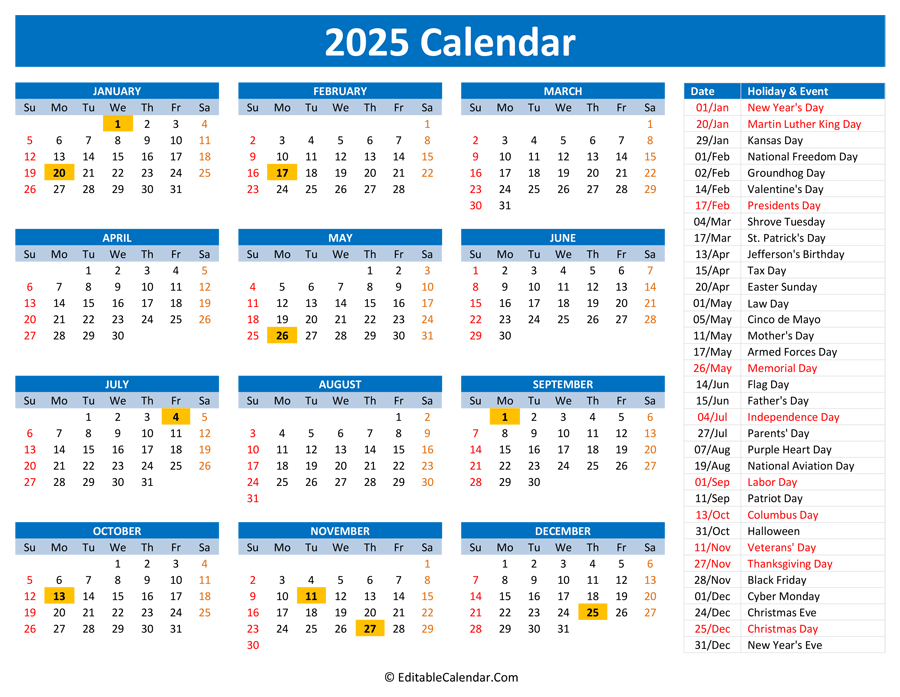
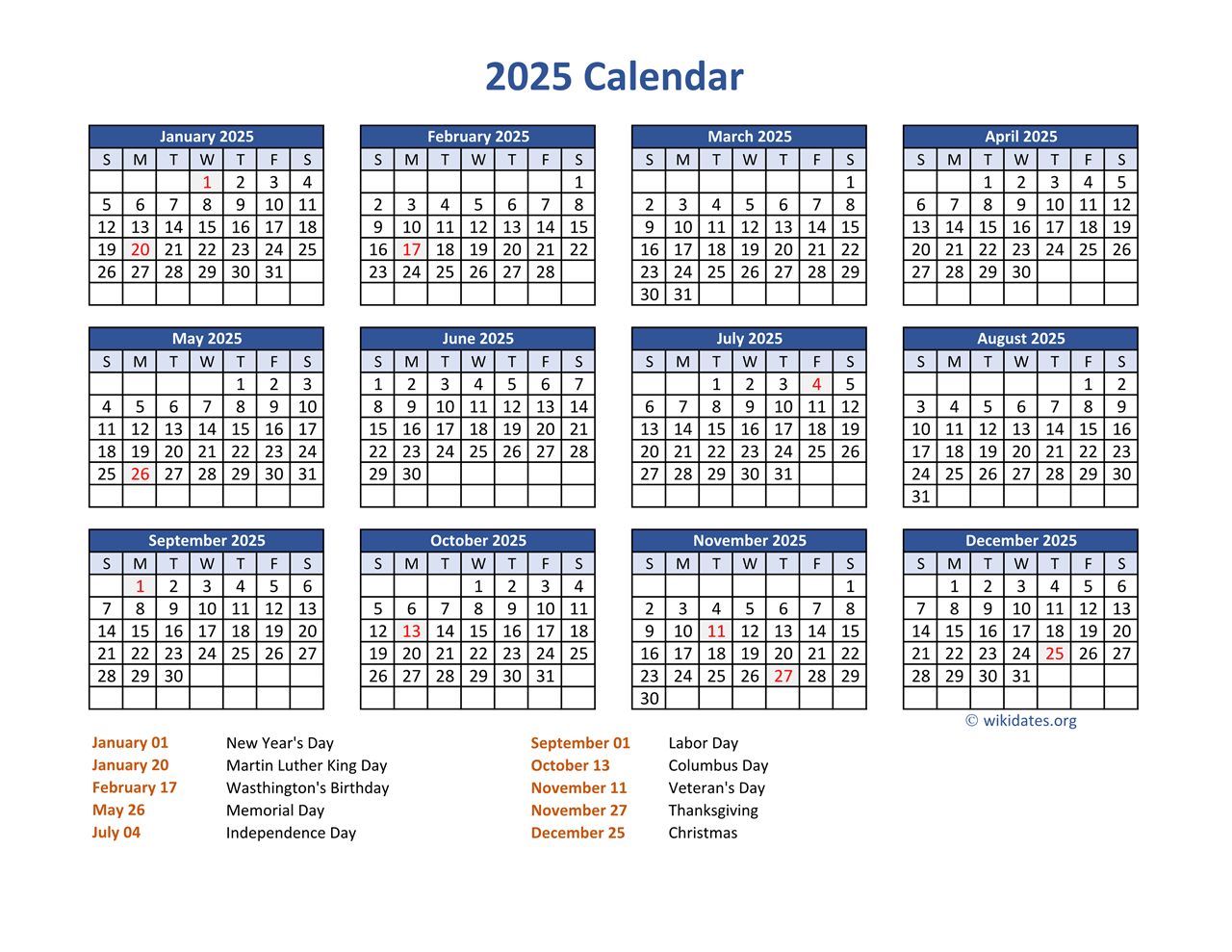
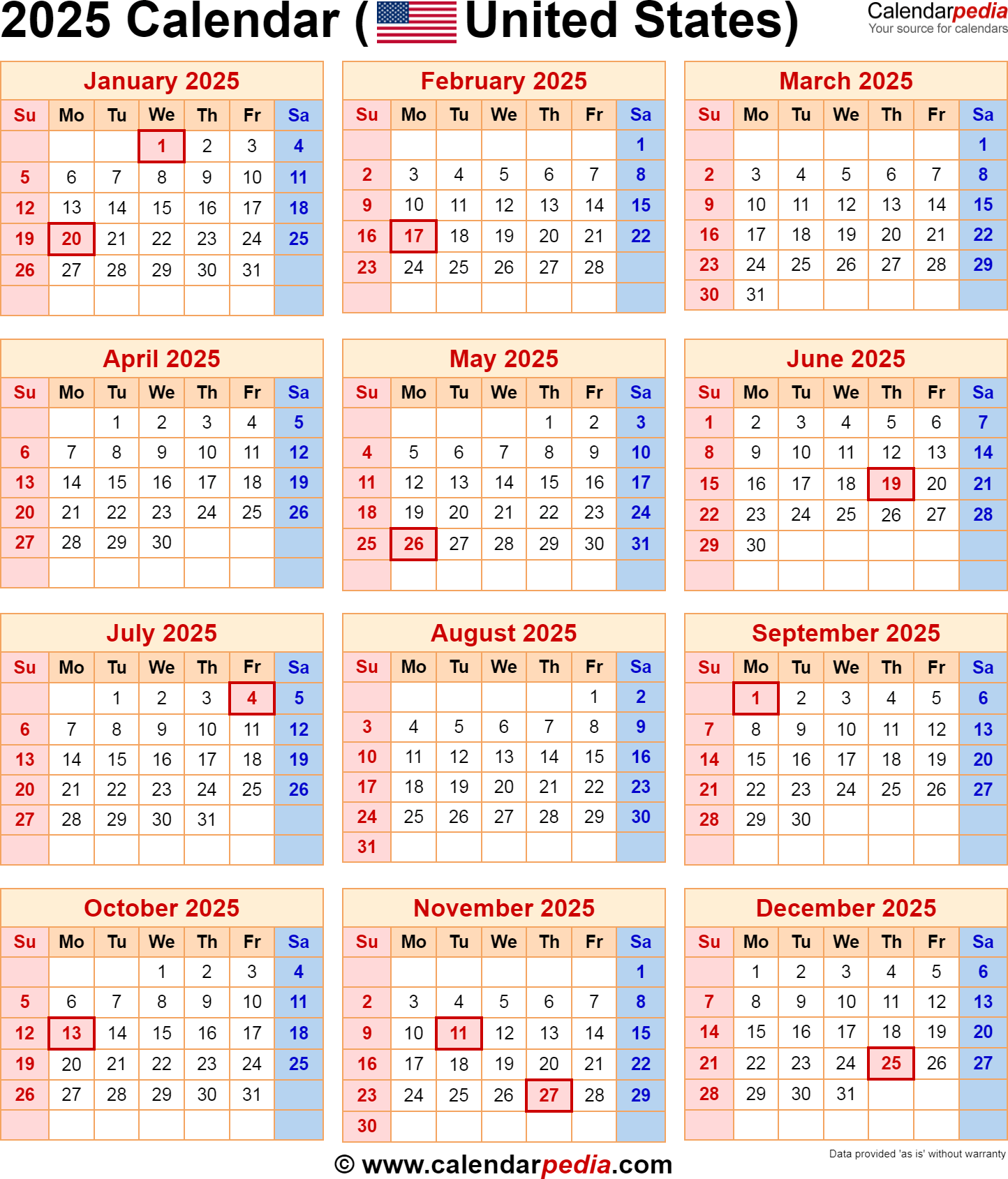
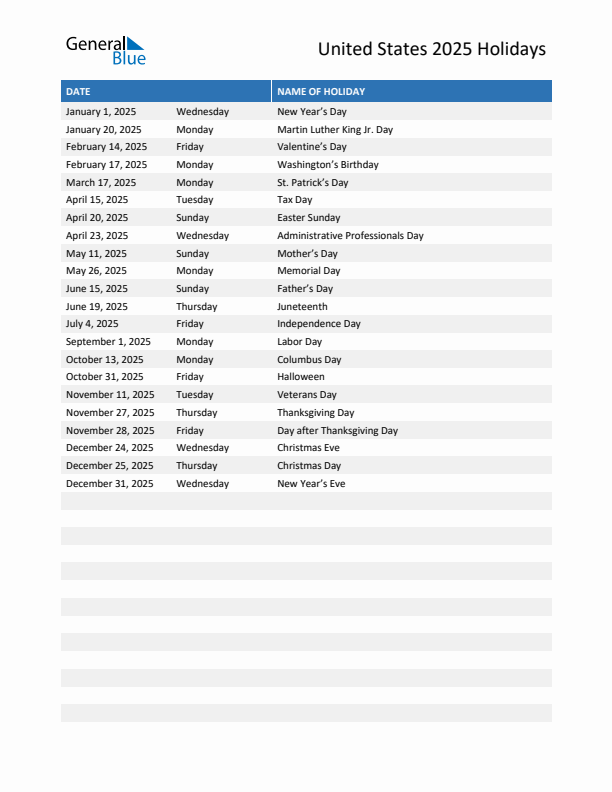
2025 Federal Employee Holidays:
1. New Year’s Day: Observed on January 1st, this holiday marks the beginning of a new year and offers a chance for reflection and fresh starts.
2. Martin Luther King Jr. Day: Commemorated on the third Monday of January, this holiday honors the life and legacy of Dr. Martin Luther King Jr., a pivotal figure in the Civil Rights Movement. It serves as a reminder of the ongoing struggle for equality and justice.
3. Presidents’ Day: Celebrated on the third Monday of February, this holiday honors the birthdays of George Washington and Abraham Lincoln, two prominent figures in American history. It acknowledges their contributions to the foundation and preservation of the United States.
4. Memorial Day: Observed on the last Monday of May, this holiday honors the sacrifices of American service members who have died in the line of duty. It serves as a poignant reminder of the profound cost of freedom and the gratitude owed to those who have defended it.
5. Juneteenth National Independence Day: Celebrated on June 19th, this holiday commemorates the emancipation of enslaved African Americans in the United States. It marks a pivotal moment in American history and celebrates the enduring spirit of freedom and equality.
6. Independence Day: Observed on July 4th, this holiday celebrates the signing of the Declaration of Independence, a document that declared the thirteen American colonies independent from British rule. It symbolizes the birth of the United States and the pursuit of self-determination.
7. Labor Day: Commemorated on the first Monday of September, this holiday recognizes the contributions of workers to the nation’s economic and social progress. It serves as a reminder of the importance of fair labor practices and the collective efforts that drive societal advancement.
8. Columbus Day: Observed on the second Monday of October, this holiday honors Christopher Columbus, a 15th-century explorer credited with initiating European exploration of the Americas. However, it is increasingly recognized for its problematic history and its impact on indigenous communities.
9. Veterans Day: Celebrated on November 11th, this holiday honors the service of all American veterans, recognizing their sacrifices and contributions to national security. It serves as a reminder of the gratitude owed to those who have served in the armed forces.
10. Thanksgiving Day: Observed on the fourth Thursday of November, this holiday celebrates the historical tradition of giving thanks for the blessings of the past year. It fosters a spirit of gratitude and encourages family gatherings and community engagement.
11. Christmas Day: Celebrated on December 25th, this holiday marks the birth of Jesus Christ and is widely observed as a religious and cultural holiday. It is a time for reflection, family gatherings, and the exchange of gifts.
Benefits of Federal Employee Holidays:
The establishment of federal employee holidays offers numerous benefits, both for individual employees and the government as a whole:
1. Enhanced Work-Life Balance: Designated days off allow employees to recharge, spend time with family and friends, and engage in personal pursuits. This promotes a healthier work-life balance, leading to increased job satisfaction and improved productivity.
2. Recognition of National Significance: Federal holidays acknowledge significant historical events, cultural traditions, and periods of national reflection. This fosters a shared sense of national identity and strengthens the bonds of community.
3. Increased Employee Morale: Holidays provide a break from the routine of daily work, allowing employees to return refreshed and re-energized. This contributes to a more positive and productive work environment.
4. Economic Stimulation: Holidays often encourage spending and travel, contributing to economic activity and supporting businesses across various sectors.
5. Public Service Continuity: While some federal offices may close on holidays, essential services are often maintained to ensure public safety and continuity of operations.
FAQs Regarding 2025 Federal Employee Holidays:
Q: Are federal employees required to work on holidays?
A: Generally, federal employees are not required to work on designated holidays. However, there may be exceptions for essential personnel who provide critical services, such as emergency responders or those involved in national security.
Q: Can federal employees be required to work on a holiday if it falls on a weekend?
A: If a holiday falls on a Saturday or Sunday, federal employees are typically not required to work on that day. However, they may be required to work on a weekday in lieu of the holiday, depending on their specific agency and position.
Q: What happens if a federal holiday falls on a weekend?
A: If a holiday falls on a weekend, it is typically observed on the preceding Friday or the following Monday. This ensures that employees receive a full day off in recognition of the holiday.
Q: Can federal employees take vacation time on a holiday?
A: Federal employees can generally take vacation time on a holiday. However, they should check with their supervisors to ensure that their absence will not disrupt critical operations.
Tips for Federal Employees Regarding Holidays:
1. Plan Ahead: Take advantage of the known holiday schedule to plan vacations, family gatherings, or other personal activities.
2. Stay Informed: Keep abreast of any changes or announcements regarding holiday schedules from your agency or department.
3. Coordinate with Colleagues: If you need to work on a holiday due to essential responsibilities, coordinate with your colleagues to ensure coverage and minimize disruption.
4. Respect the Significance: Remember the historical and cultural significance of each holiday and engage in activities that honor its meaning.
Conclusion:
The 2025 federal employee holidays provide a valuable opportunity for reflection, relaxation, and celebration. They contribute to a healthy work-life balance, foster a shared sense of national identity, and recognize the contributions of individuals and the nation as a whole. By understanding the significance and benefits of these holidays, federal employees can make the most of these designated days off and contribute to a more positive and productive work environment.
Closure
Thus, we hope this article has provided valuable insights into Navigating the Calendar: A Comprehensive Guide to 2025 Federal Employee Holidays. We appreciate your attention to our article. See you in our next article!