Navigating The Calendar: A Guide To 2025 State And Federal Holidays
Navigating the Calendar: A Guide to 2025 State and Federal Holidays
Navigating the Calendar: A Guide to 2025 State and Federal Holidays
Introduction
In this auspicious occasion, we are delighted to delve into the intriguing topic related to Navigating the Calendar: A Guide to 2025 State and Federal Holidays. Let’s weave interesting information and offer fresh perspectives to the readers.
Table of Content
Navigating the Calendar: A Guide to 2025 State and Federal Holidays
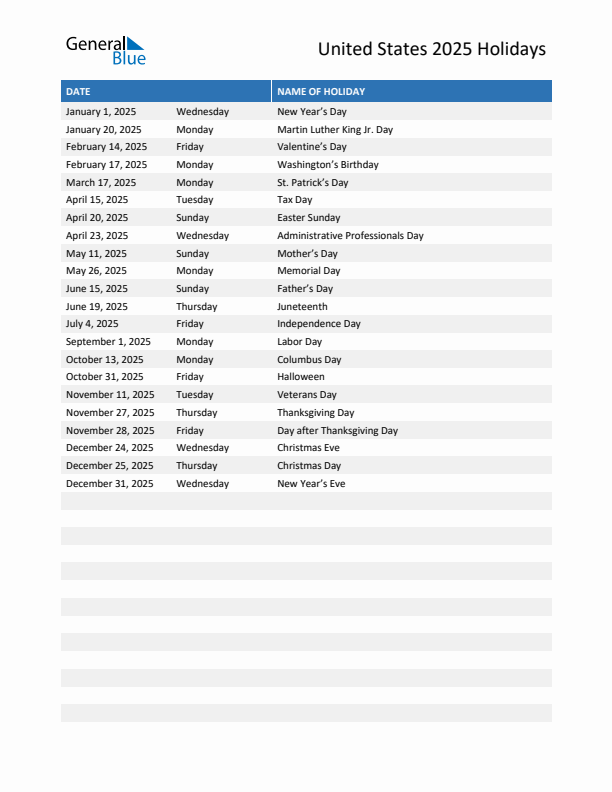
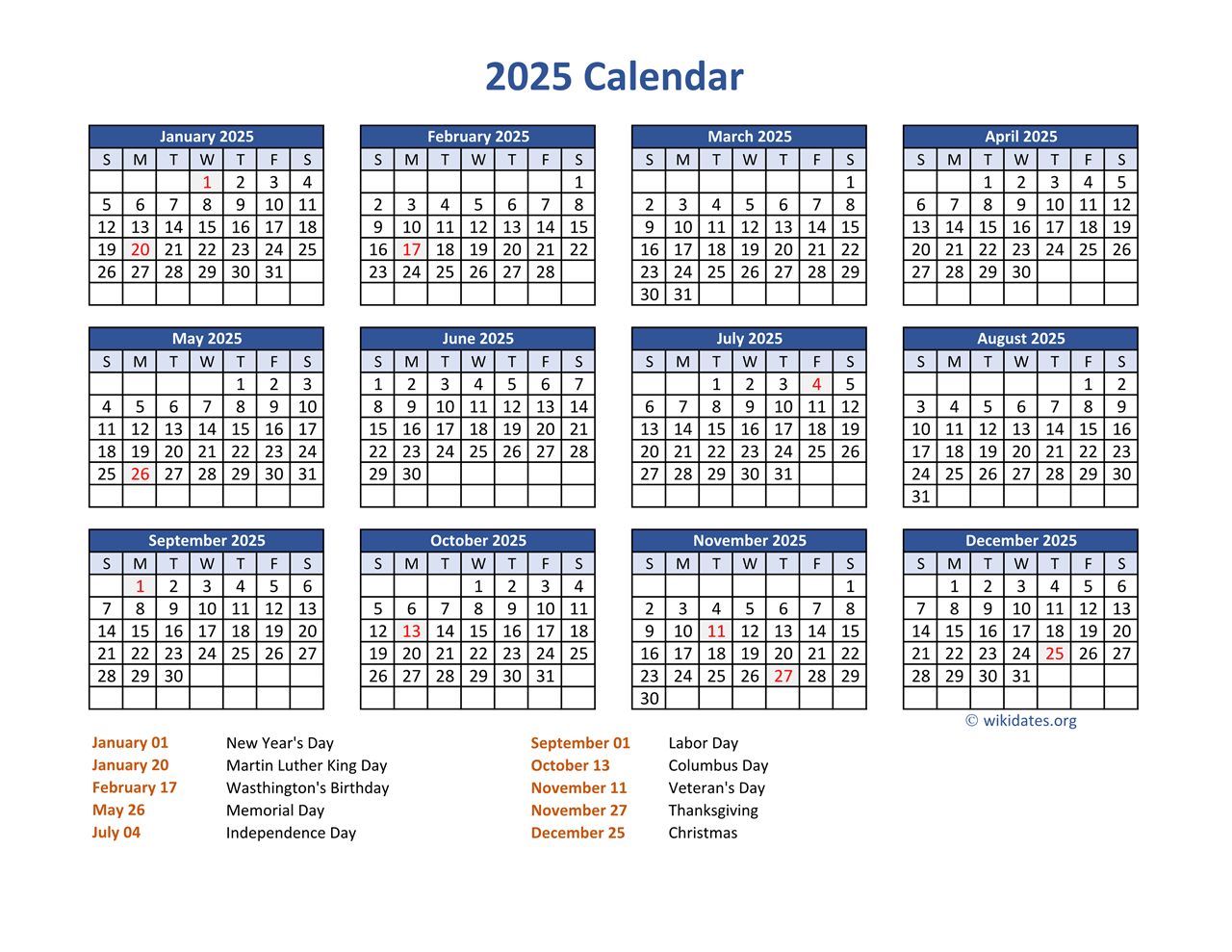
The year 2025 presents a tapestry of observances, both national and regional, offering opportunities for reflection, celebration, and remembrance. Understanding the intricacies of these holidays can enhance personal and professional planning, ensuring optimal utilization of these designated days.
Federal Holidays: A National Tapestry
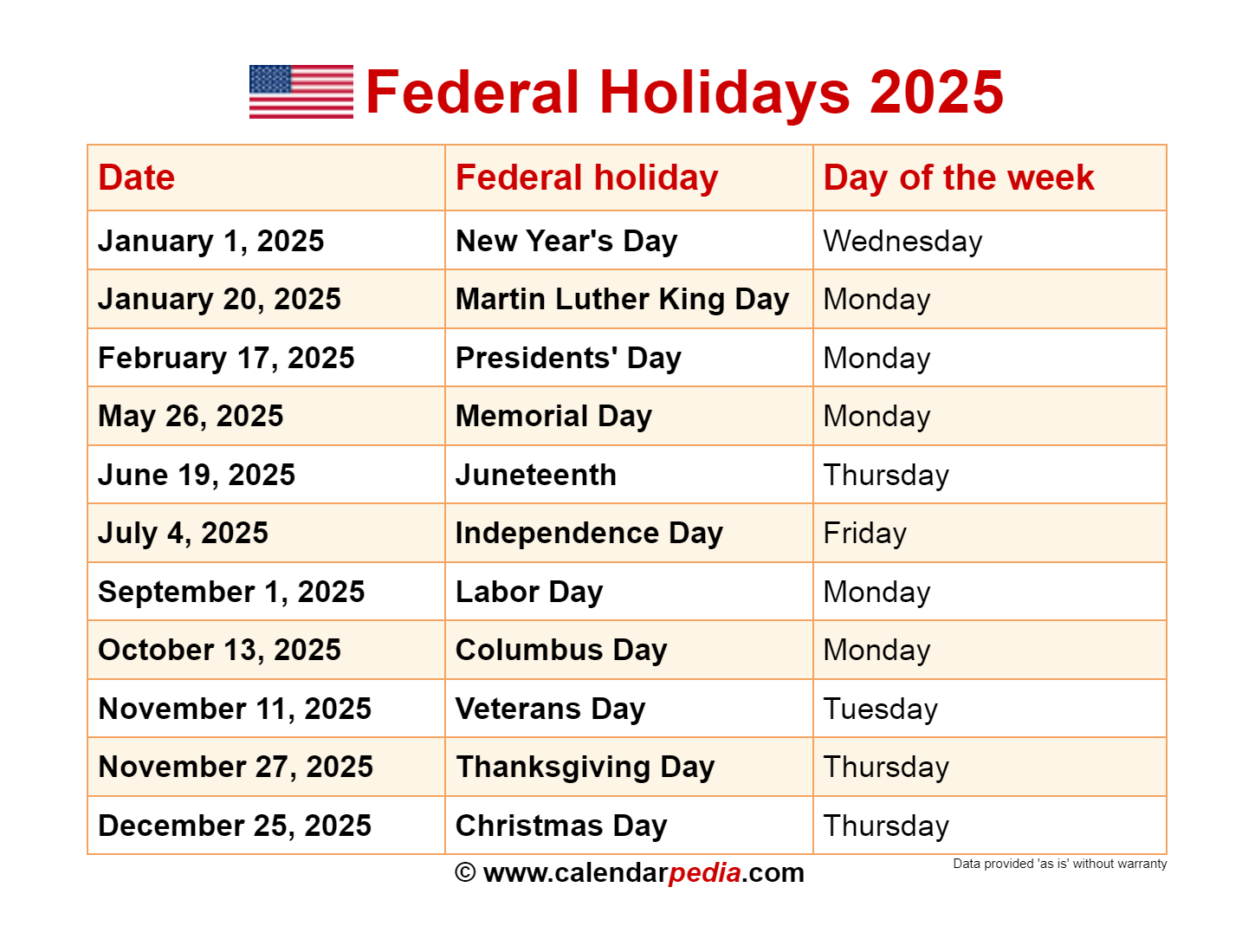
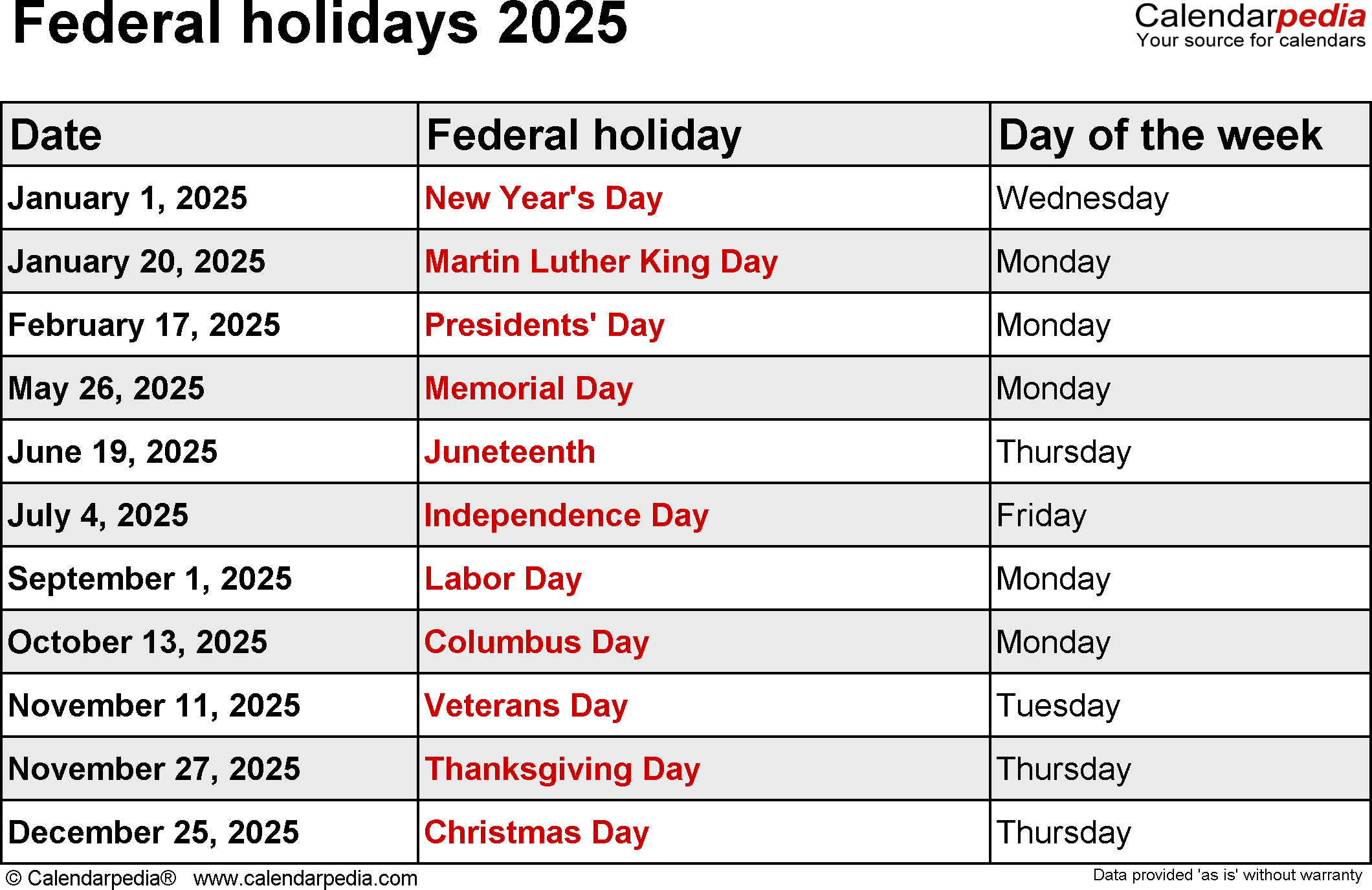
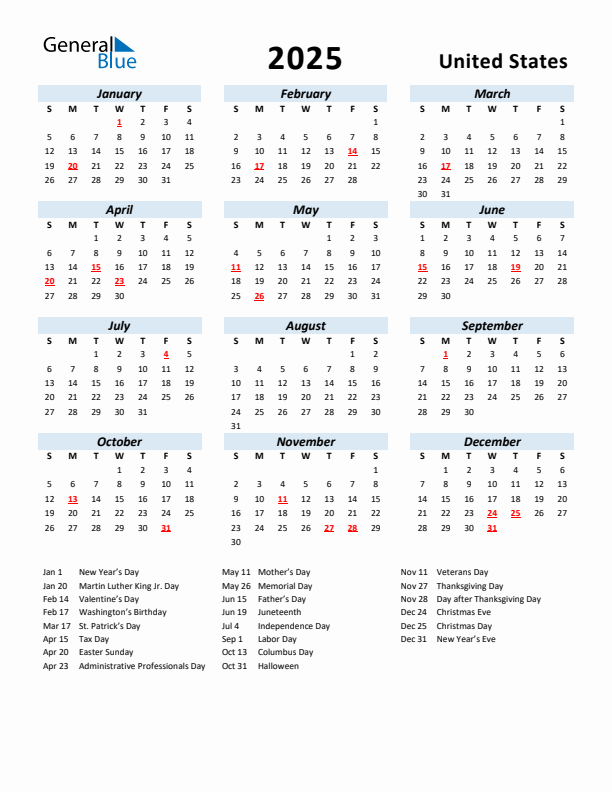
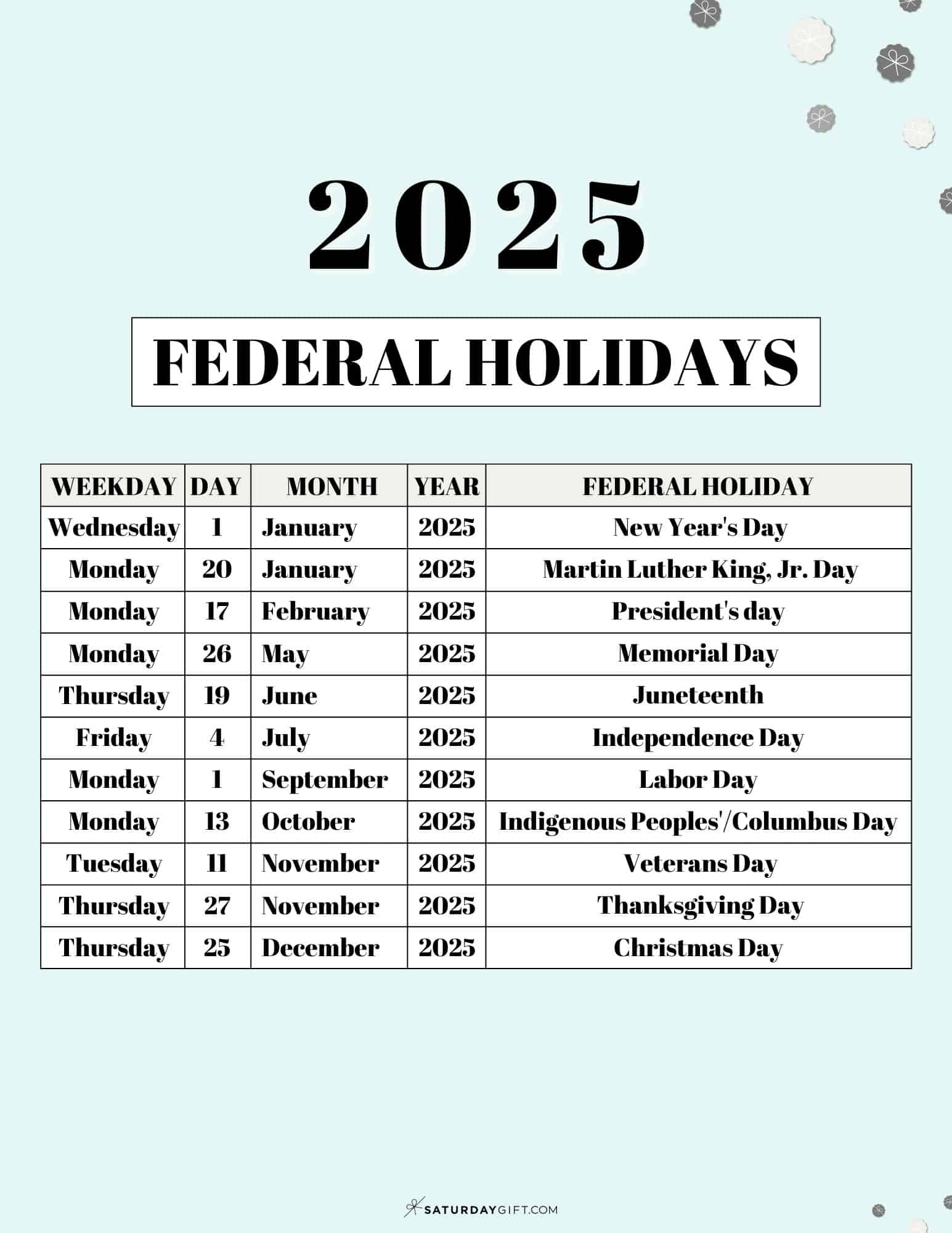
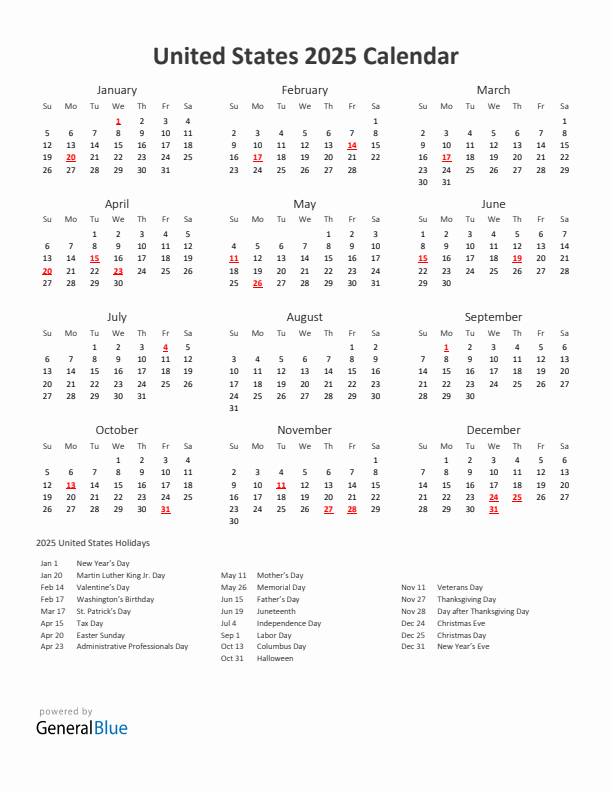
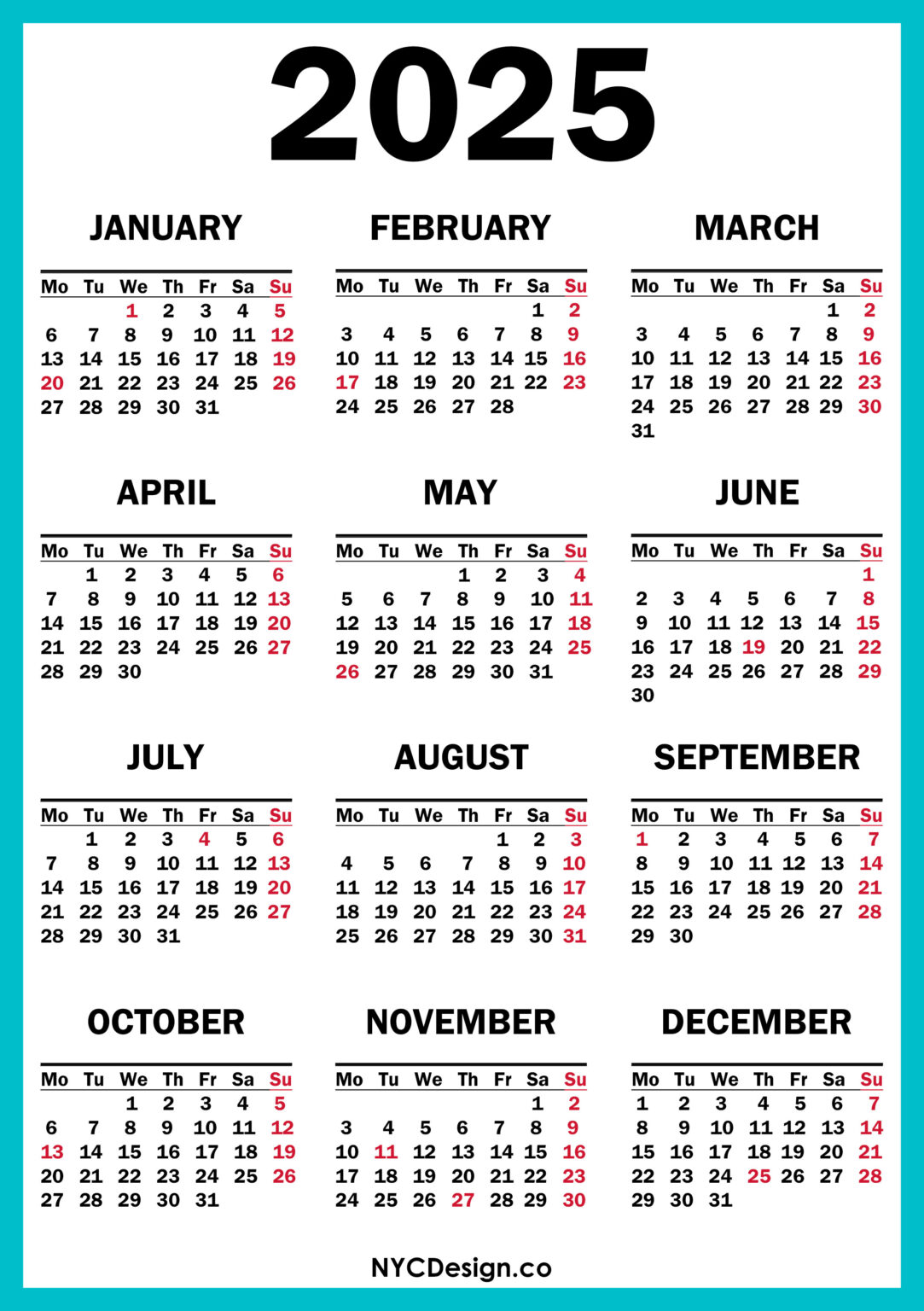
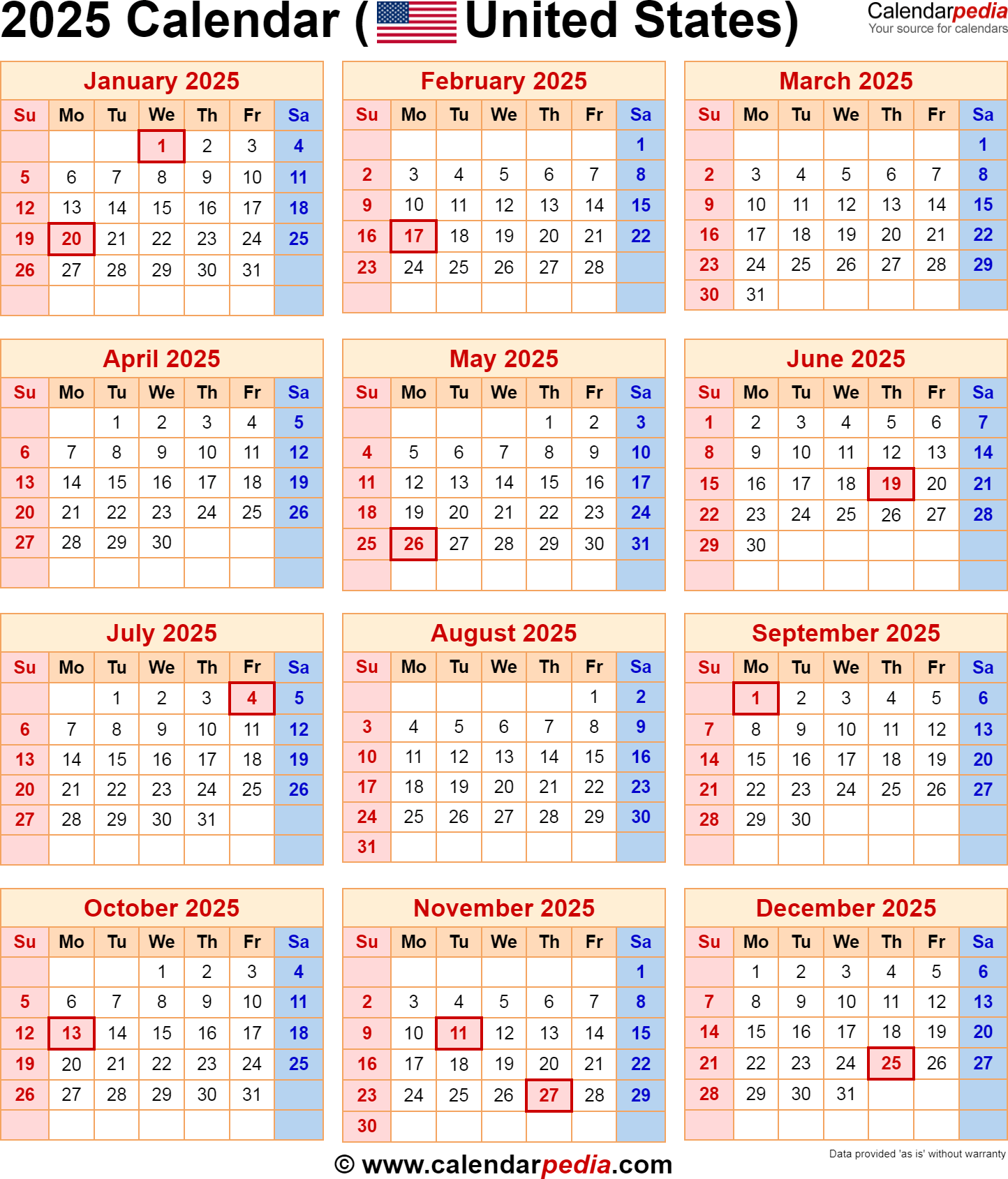
The federal government designates ten holidays, observed across the nation, providing common ground for shared experiences and national unity. These holidays encompass a diverse range of commemorations, from historical events to religious celebrations.
New Year’s Day (January 1): Marking the beginning of a new year, New Year’s Day offers a chance to reflect on the past and set aspirations for the future.
Martin Luther King Jr. Day (Third Monday in January): Honoring the life and legacy of Dr. Martin Luther King Jr., this holiday commemorates his tireless fight for civil rights and social justice.
Presidents’ Day (Third Monday in February): This holiday acknowledges the contributions of all U.S. presidents, specifically George Washington and Abraham Lincoln.
Memorial Day (Last Monday in May): Memorial Day is a solemn day dedicated to honoring the men and women who died while serving in the U.S. Armed Forces.
Independence Day (July 4): This day celebrates the signing of the Declaration of Independence, marking the birth of the United States as a free and independent nation.
Labor Day (First Monday in September): Labor Day recognizes the achievements of workers and the contributions of labor to the nation’s prosperity.
Columbus Day (Second Monday in October): Traditionally observed on the second Monday in October, Columbus Day commemorates the arrival of Christopher Columbus in the Americas. However, this holiday has faced increasing scrutiny and calls for its renaming or abolition due to its historical complexities.
Veterans Day (November 11): This holiday honors all veterans who have served in the U.S. Armed Forces, acknowledging their sacrifices and contributions.
Thanksgiving Day (Fourth Thursday in November): Thanksgiving Day is a time for gratitude and feasting, celebrating the harvest and fostering unity among families and communities.
Christmas Day (December 25): Christmas Day is a religious holiday celebrating the birth of Jesus Christ, often observed with family gatherings, gift exchanges, and festive traditions.
State Holidays: A Mosaic of Regional Observances
Beyond federal holidays, each state has its own unique set of observances, reflecting regional history, culture, and traditions. These state holidays often commemorate significant events, individuals, or themes specific to the state.
Example: California
California boasts a diverse range of state holidays, including:
- California Admission Day (September 9): This day commemorates California’s admission to the Union as the 31st state in 1850.
- Cesar Chavez Day (March 31): This holiday honors the life and legacy of Cesar Chavez, a prominent labor leader who fought for the rights of farmworkers.
- Native American Day (Fourth Friday in September): This day acknowledges and celebrates the rich history and culture of Native American tribes in California.
Benefits and Importance of State and Federal Holidays
These holidays serve various purposes, enriching both individual and societal experiences.
- Reflection and Remembrance: Many holidays provide opportunities for reflection on historical events, the sacrifices of those who came before, and the values that define a nation.
- Celebration and Unity: Holidays foster a sense of community and shared identity, providing opportunities for gatherings, festivities, and shared experiences.
- Economic Impact: Holidays often boost economic activity, as families and individuals engage in travel, shopping, and entertainment.
- Rest and Recreation: Holidays offer a chance for individuals to rest, recharge, and engage in leisure activities, promoting well-being and productivity.
FAQs
Q: Are all federal holidays observed on the same day across the United States?
A: Yes, federal holidays are observed nationwide on the same date. However, some states may have additional holidays that are not federally recognized.
Q: Can I work on a federal holiday?
A: While many businesses and organizations close on federal holidays, some may remain open. It is essential to check with your employer or organization regarding their policies on holiday observances.
Q: What are the legal implications of federal holidays?
A: Federal holidays are legally designated days of observance, meaning that federal employees are granted paid leave on these days. However, private businesses are not required to close or provide paid leave for federal holidays.
Q: What are some tips for planning around state and federal holidays?
Tips for Planning Around State and Federal Holidays
- Check your calendar: Mark all federal and state holidays on your calendar to avoid scheduling conflicts.
- Be aware of business closures: Many businesses, including banks, post offices, and government offices, close on federal holidays. Plan accordingly to avoid disruptions.
- Consider travel: If you plan to travel during a holiday period, book flights and accommodations in advance, as prices tend to increase.
- Prepare for potential crowds: Many popular destinations experience increased crowds during holidays. Research and plan accordingly to minimize inconveniences.
- Take advantage of holiday deals: Many retailers offer discounts and promotions during holidays. Take advantage of these opportunities for shopping and saving.
Conclusion
The tapestry of 2025 state and federal holidays offers a rich mosaic of observances, each carrying its own significance and meaning. By understanding the nuances of these holidays, individuals and organizations can navigate these designated days effectively, maximizing their potential for reflection, celebration, and remembrance. These holidays not only offer opportunities for personal and professional growth but also strengthen the fabric of our nation, fostering unity and shared experiences.
Closure
Thus, we hope this article has provided valuable insights into Navigating the Calendar: A Guide to 2025 State and Federal Holidays. We hope you find this article informative and beneficial. See you in our next article!