Navigating The Calendar: Federal Holidays Observed In 2025
Navigating the Calendar: Federal Holidays Observed in 2025
Navigating the Calendar: Federal Holidays Observed in 2025
Introduction
In this auspicious occasion, we are delighted to delve into the intriguing topic related to Navigating the Calendar: Federal Holidays Observed in 2025. Let’s weave interesting information and offer fresh perspectives to the readers.
Table of Content
Navigating the Calendar: Federal Holidays Observed in 2025
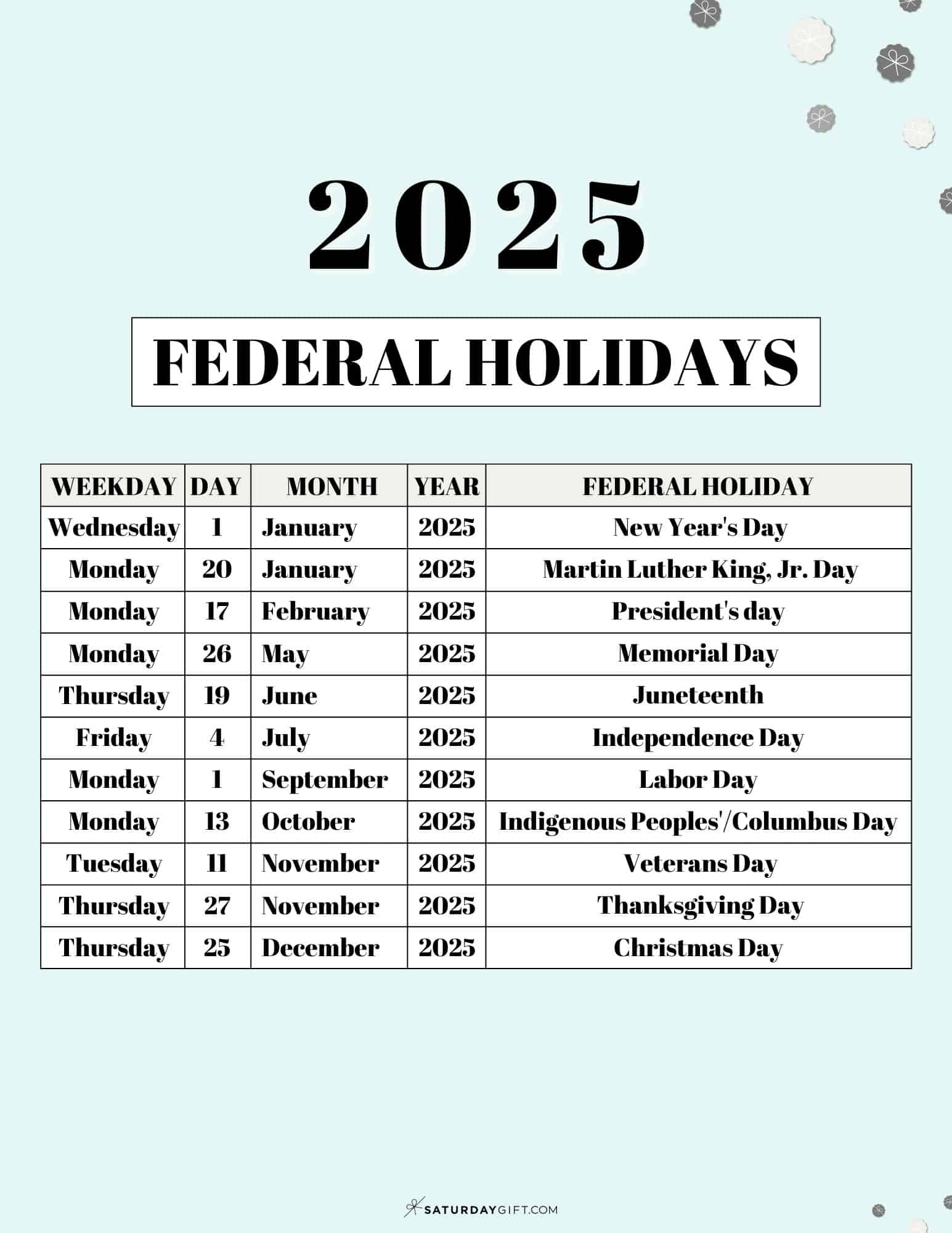
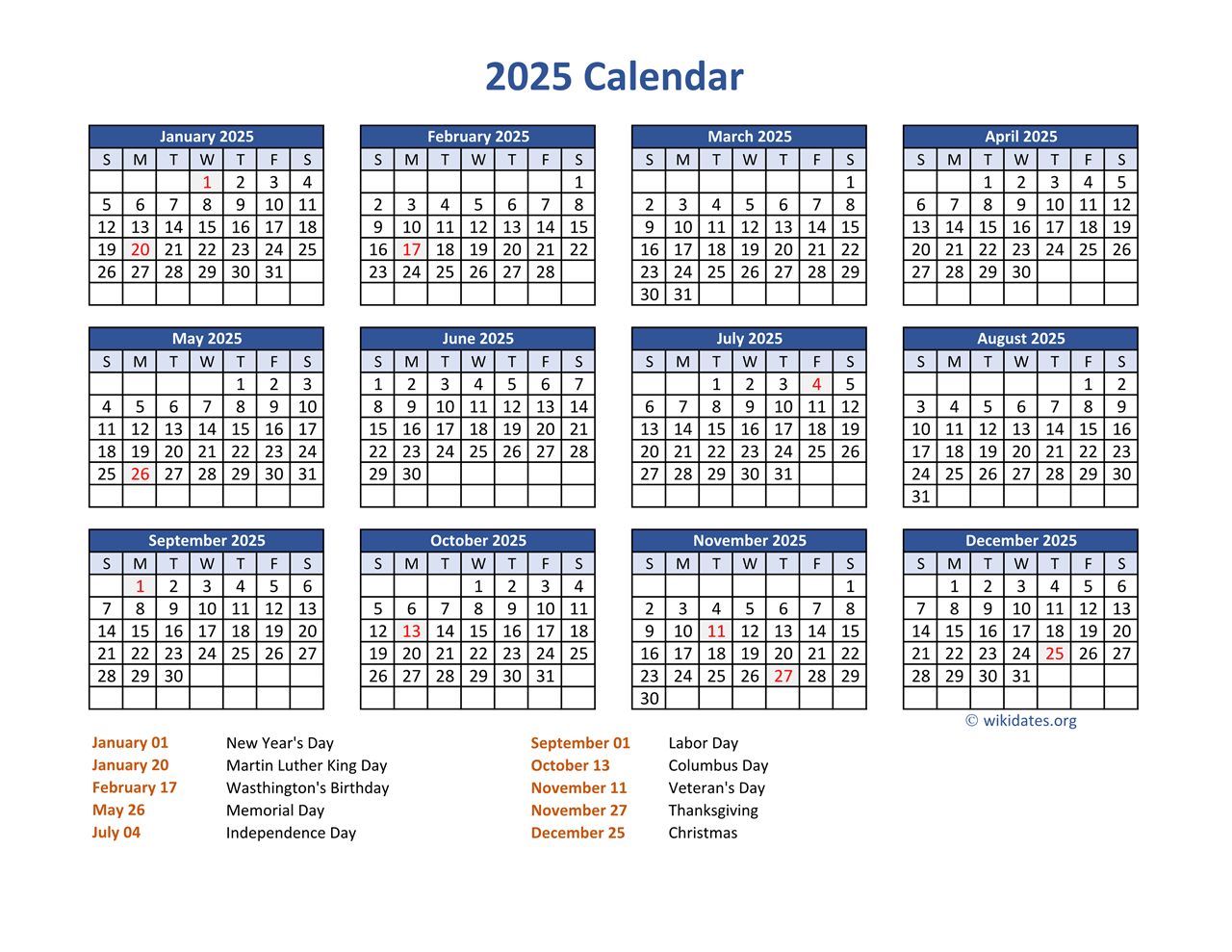
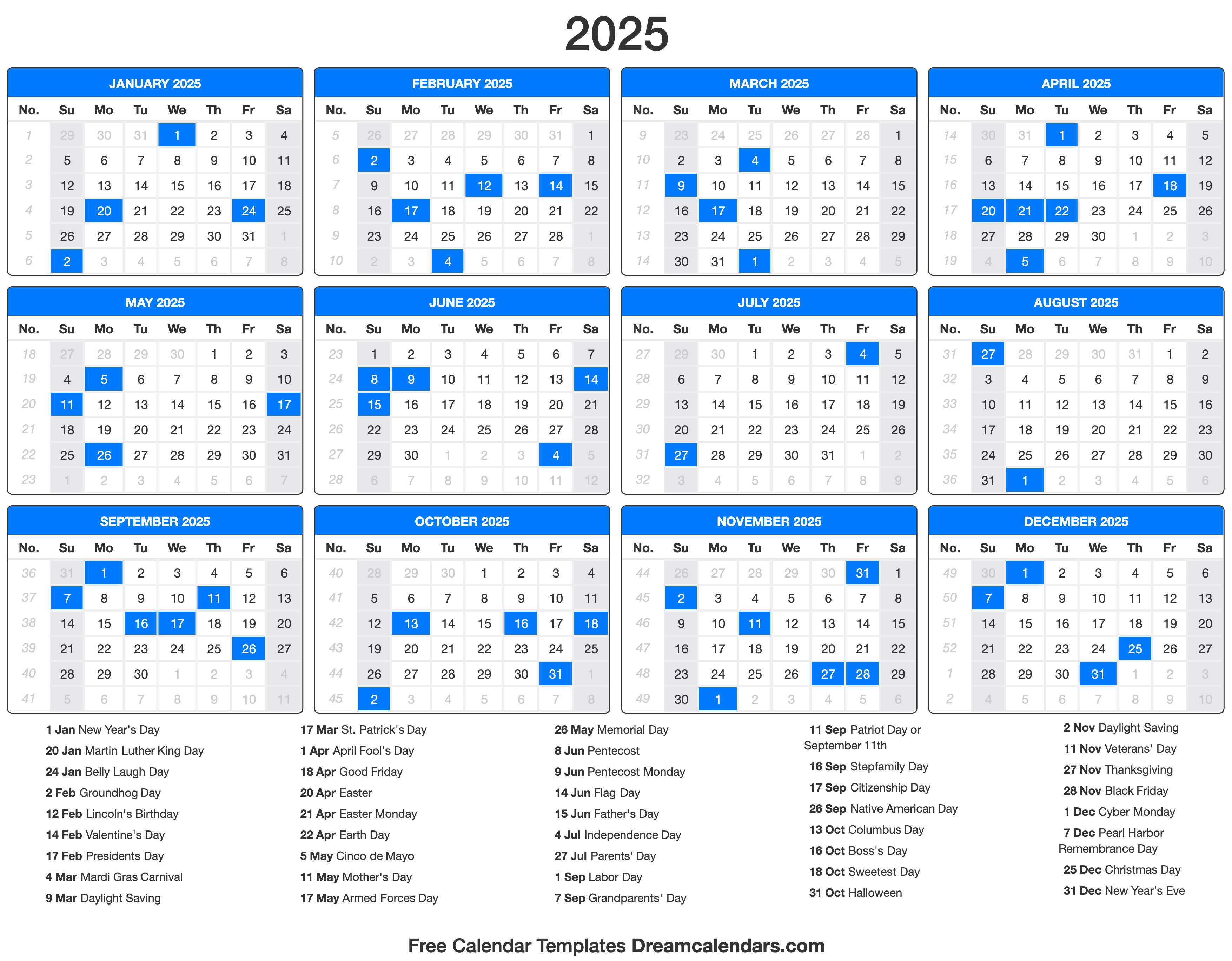
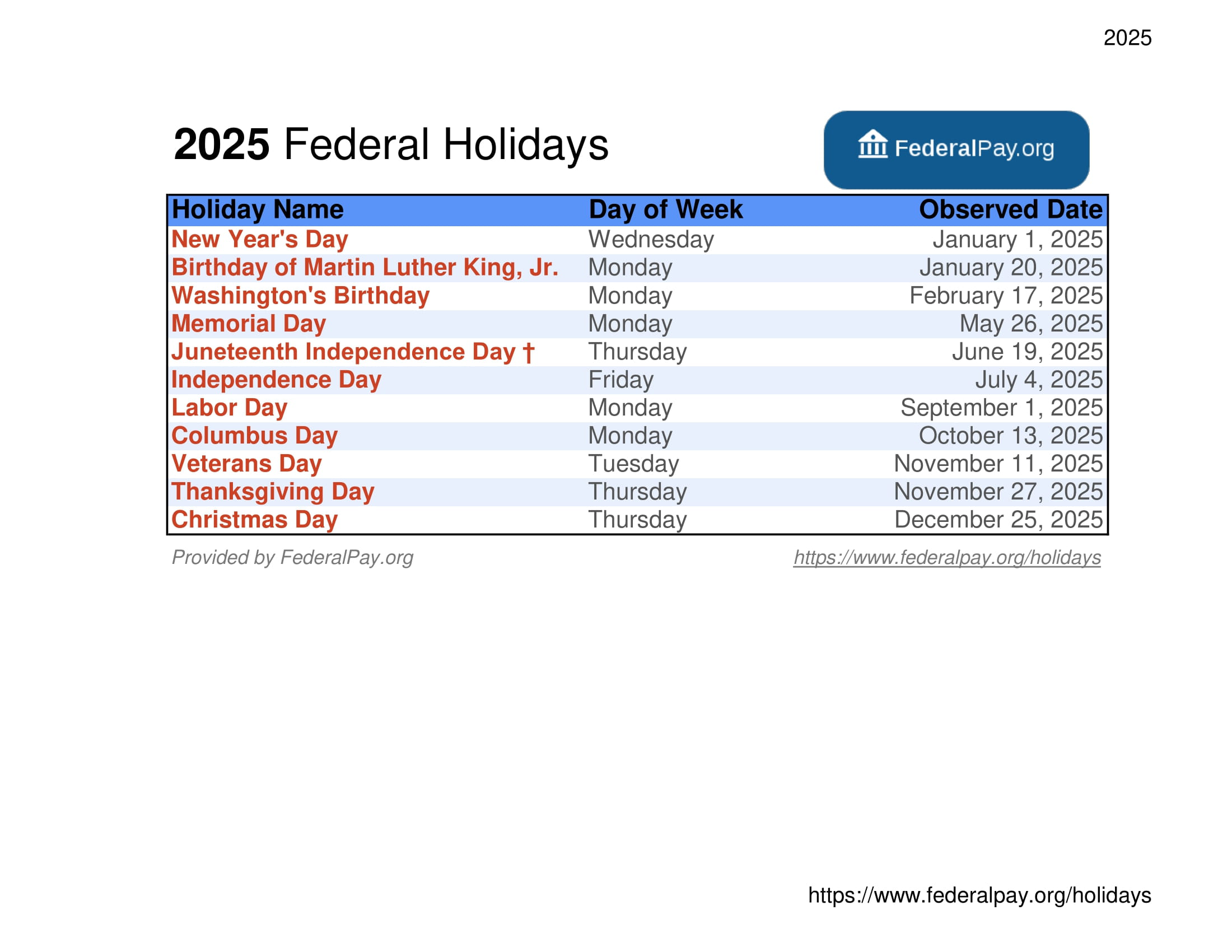
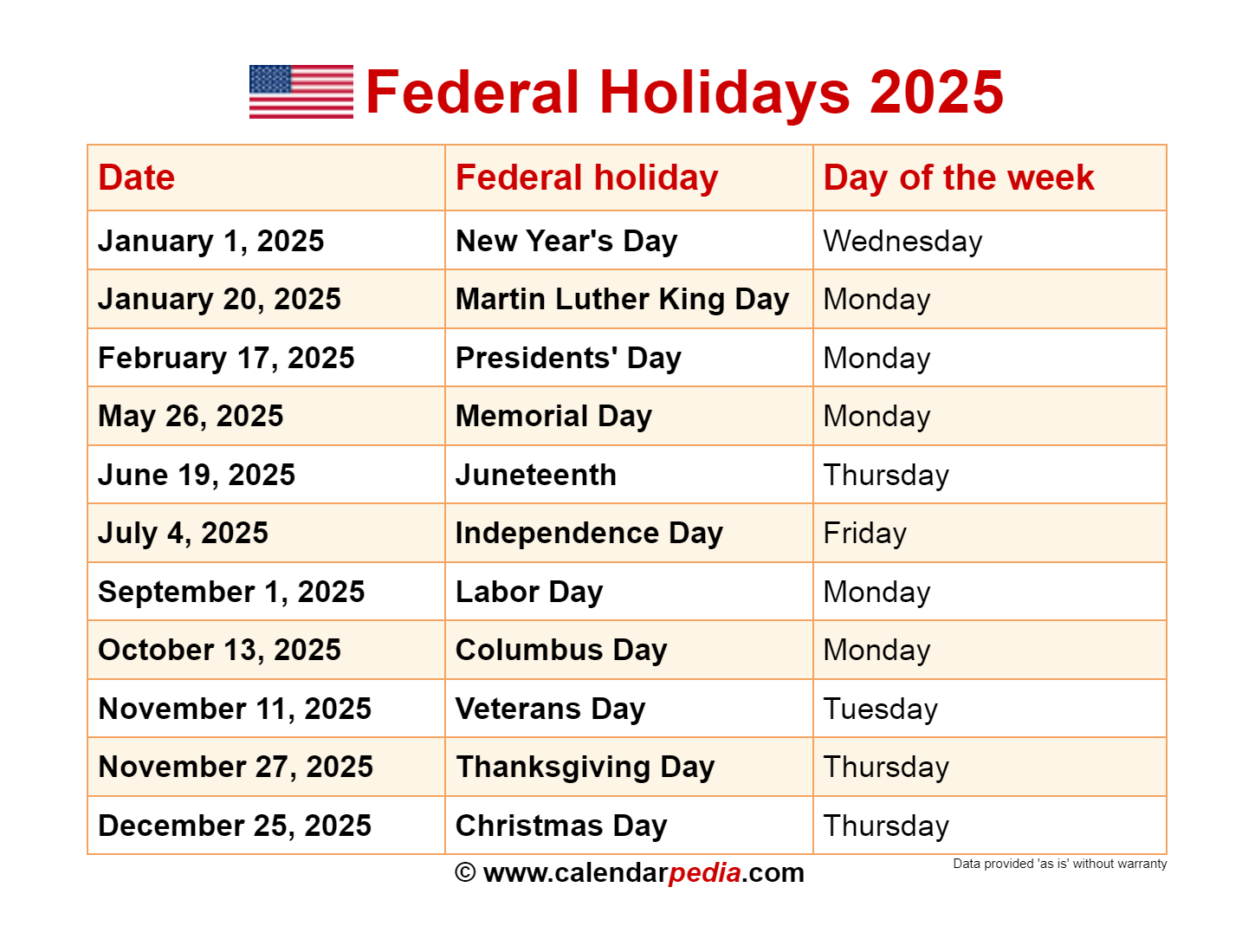
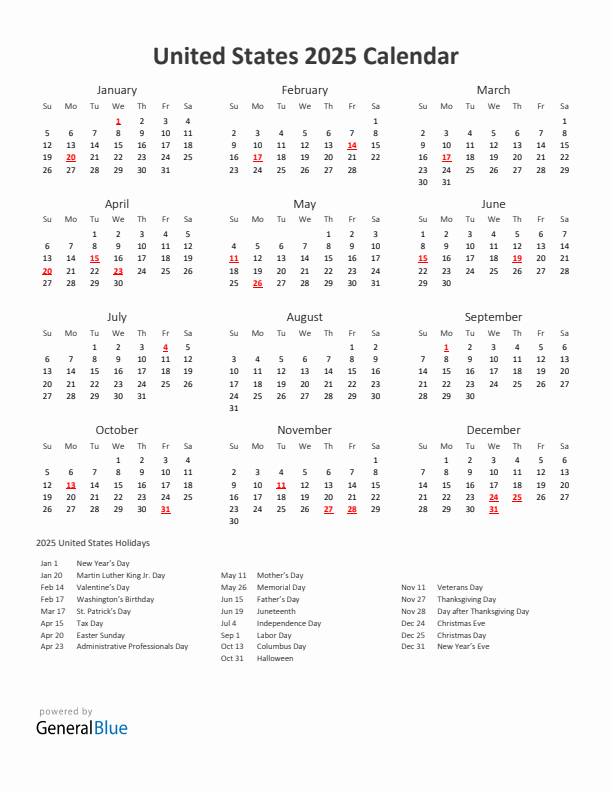
The year 2025 presents a familiar tapestry of federal holidays, each marking a significant moment in American history or cultural heritage. These designated days provide opportunities for reflection, commemoration, and celebration, fostering a sense of shared national identity. Understanding these holidays allows individuals to appreciate their significance and engage in meaningful observances.
A Detailed Look at 2025 Federal Holidays:
January:
- New Year’s Day (Tuesday, January 1): This holiday marks the beginning of a new year, offering a chance to reflect on the past and set aspirations for the future. It is a time for fresh starts and renewed optimism.
February:
- Martin Luther King Jr. Day (Monday, January 20): This holiday honors the life and legacy of Dr. Martin Luther King Jr., a pivotal figure in the Civil Rights Movement. It serves as a reminder of the ongoing fight for equality and justice for all.
May:
- Memorial Day (Monday, May 26): This solemn day honors the sacrifices of American military personnel who died in service to their country. It is a time for remembrance and gratitude for those who gave their lives in defense of freedom.
June:
- Juneteenth National Independence Day (Friday, June 19): This relatively new federal holiday commemorates the emancipation of enslaved African Americans in the United States. It celebrates the end of slavery and the ongoing pursuit of freedom and equality.
July:
- Independence Day (Wednesday, July 2): This holiday commemorates the signing of the Declaration of Independence, marking the birth of the United States as an independent nation. It is a time for celebration, fireworks, and reflection on the values of liberty and self-governance.
September:
- Labor Day (Monday, September 1): This holiday honors the contributions and achievements of American workers. It celebrates the labor movement and its role in improving working conditions and securing fair wages.
October:
- Columbus Day (Monday, October 13): This holiday, also known as Indigenous Peoples’ Day, acknowledges the arrival of Christopher Columbus in the Americas. It is a time for reflection on the complex history of colonization and its impact on indigenous peoples.
November:
- Veterans Day (Wednesday, November 11): This holiday honors all veterans who have served in the United States Armed Forces. It is a day to express gratitude for their service and sacrifice.
- Thanksgiving Day (Thursday, November 27): This holiday celebrates the harvest and gives thanks for the blessings of the past year. It is a time for family gatherings, feasting, and reflection on the importance of gratitude.
December:
- Christmas Day (Tuesday, December 25): This holiday celebrates the birth of Jesus Christ and is observed by many Christians around the world. It is a time for family gatherings, gift-giving, and reflection on the meaning of Christmas.
Understanding the Importance of Federal Holidays:
These holidays serve multiple purposes, fostering a sense of national unity and providing opportunities for reflection and commemoration. They remind us of the sacrifices made by those who came before us, celebrate our shared values and heritage, and offer a chance to appreciate the freedoms we enjoy.
FAQs about Federal Holidays:
Q: Are all federal holidays observed by all businesses and organizations?
A: While federal holidays are recognized by the government, individual businesses and organizations may have their own policies regarding holiday closures.
Q: Are there any other holidays observed in the United States?
A: Yes, there are numerous state and local holidays observed throughout the country. These holidays often celebrate regional history or cultural events.
Q: Can federal holidays be changed or added?
A: The process for changing or adding federal holidays involves legislative action by Congress and approval by the President.
Tips for Observing Federal Holidays:
- Reflect on the meaning of each holiday: Take time to understand the historical significance and cultural context of each holiday.
- Participate in commemorative events: Many communities host events and activities related to federal holidays, offering opportunities for engagement.
- Show appreciation to those who have served: Take time to express gratitude to veterans, service members, and first responders.
- Engage in acts of service: Consider volunteering or donating to organizations that support the values represented by each holiday.
Conclusion:
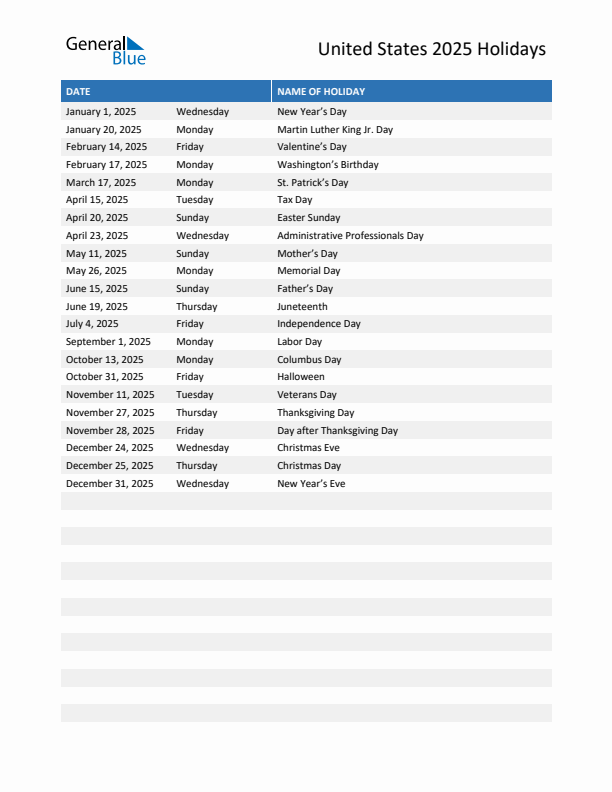
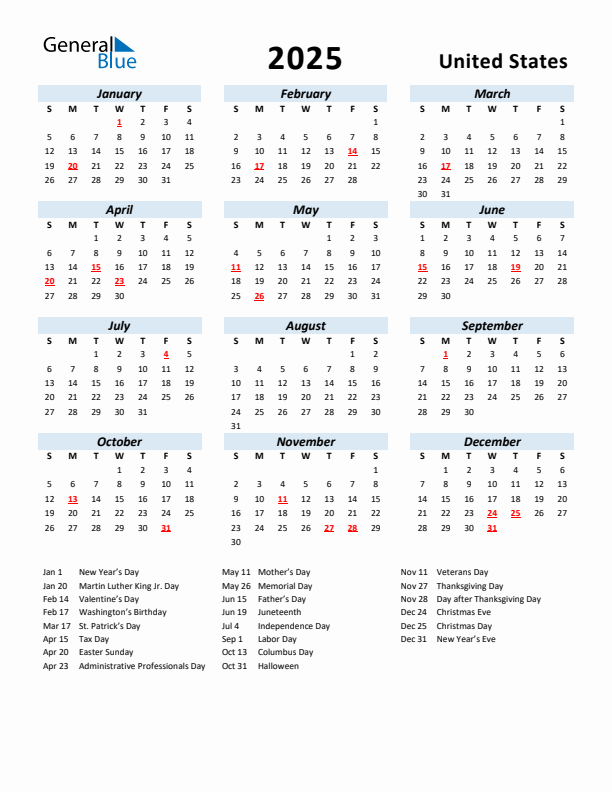
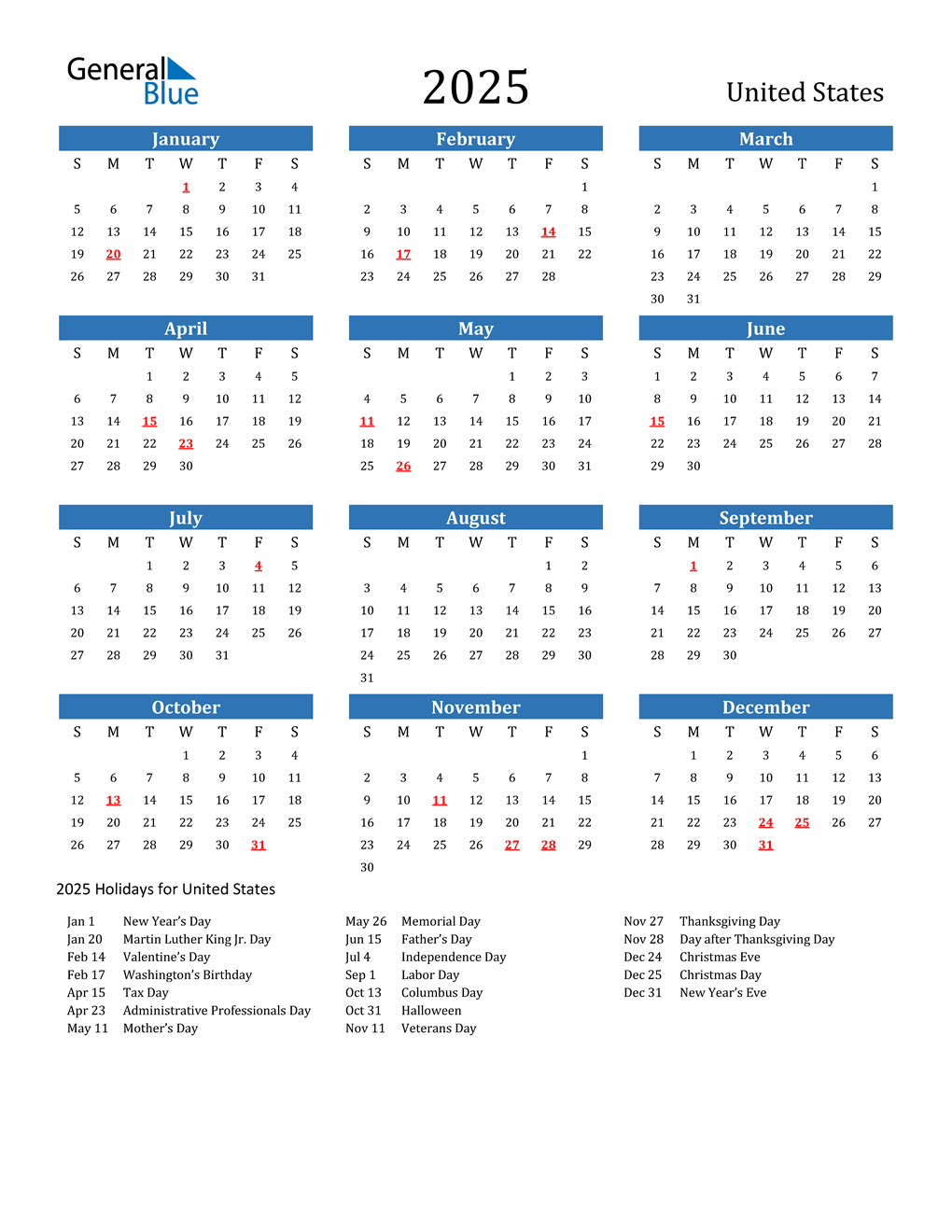
Federal holidays in 2025 provide a rich tapestry of opportunities for reflection, commemoration, and celebration. They serve as reminders of our shared history, values, and cultural heritage, fostering a sense of national unity and appreciation for the freedoms we enjoy. By understanding the significance of these holidays and engaging in meaningful observances, individuals can contribute to a deeper understanding of American history and culture.
Closure
Thus, we hope this article has provided valuable insights into Navigating the Calendar: Federal Holidays Observed in 2025. We hope you find this article informative and beneficial. See you in our next article!