Navigating The Calendar: Understanding Non-Federal Holidays In 2025
Navigating the Calendar: Understanding Non-Federal Holidays in 2025
Navigating the Calendar: Understanding Non-Federal Holidays in 2025
Introduction
In this auspicious occasion, we are delighted to delve into the intriguing topic related to Navigating the Calendar: Understanding Non-Federal Holidays in 2025. Let’s weave interesting information and offer fresh perspectives to the readers.
Table of Content
Navigating the Calendar: Understanding Non-Federal Holidays in 2025
While federal holidays are universally recognized and observed, a rich tapestry of additional days are celebrated across the United States, often referred to as "non-federal holidays." These observances, rooted in diverse cultural traditions, historical events, or specific regional interests, offer unique opportunities for communities and individuals to connect, reflect, and celebrate. Understanding these non-federal holidays provides a deeper appreciation for the rich cultural mosaic of the United States.
Defining the Scope
Non-federal holidays encompass a broad spectrum of observances, ranging from widely recognized days like Martin Luther King Jr. Day or Columbus Day (which, while celebrated federally, are not universally observed) to more localized celebrations like the Texas Independence Day or the Maryland Day. The distinction between federal and non-federal holidays lies primarily in the absence of official recognition by the federal government. This means that non-federal holidays are not accompanied by a mandated day off work or closure of federal offices.
Understanding the Significance
These holidays, despite their non-federal status, hold immense cultural and historical significance. They serve as reminders of pivotal moments in the nation’s history, celebrate diverse ethnicities and traditions, and offer opportunities for communities to come together and honor their unique heritage.
Exploring the 2025 Calendar
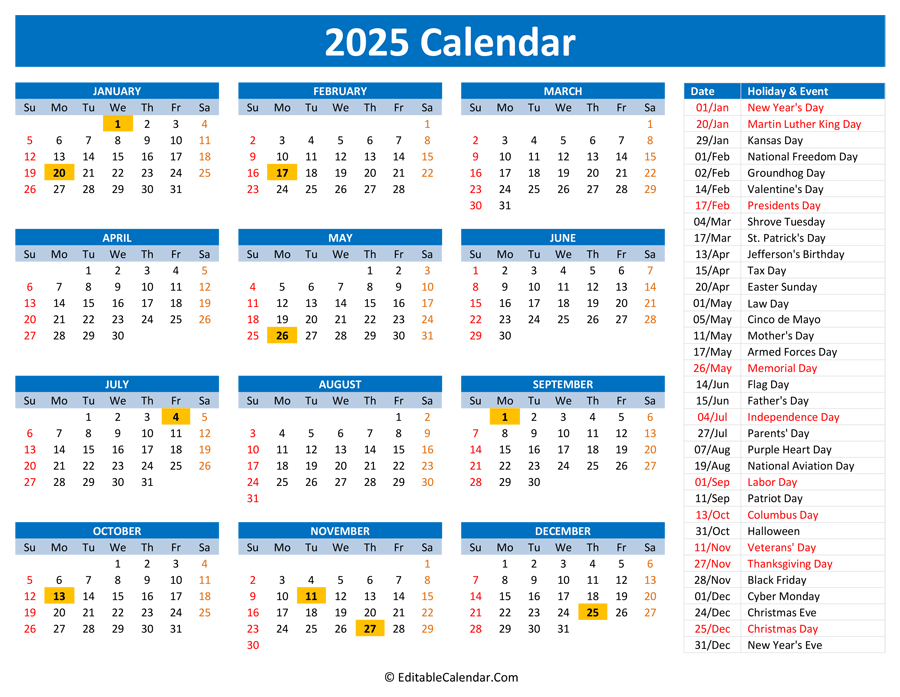
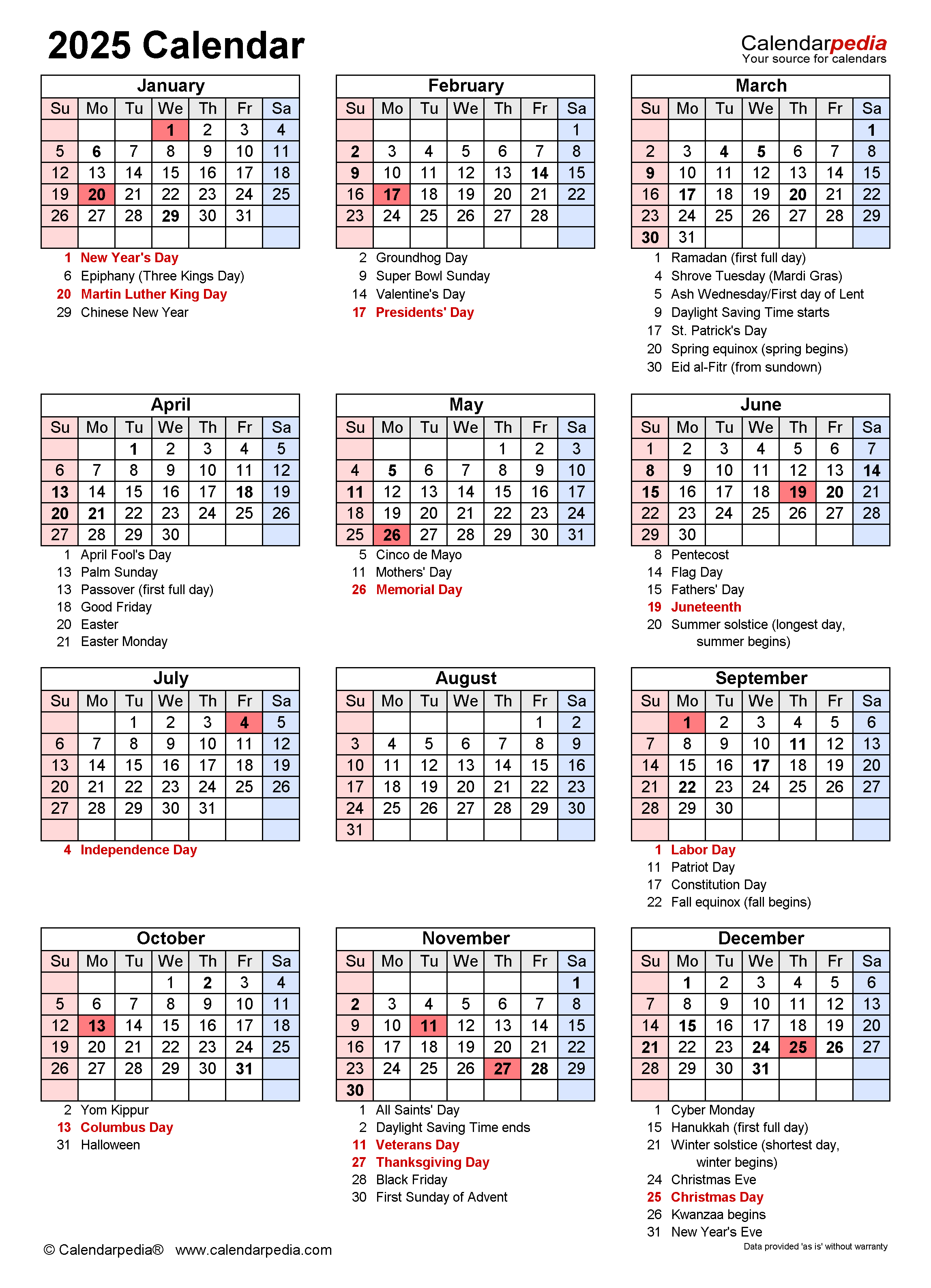
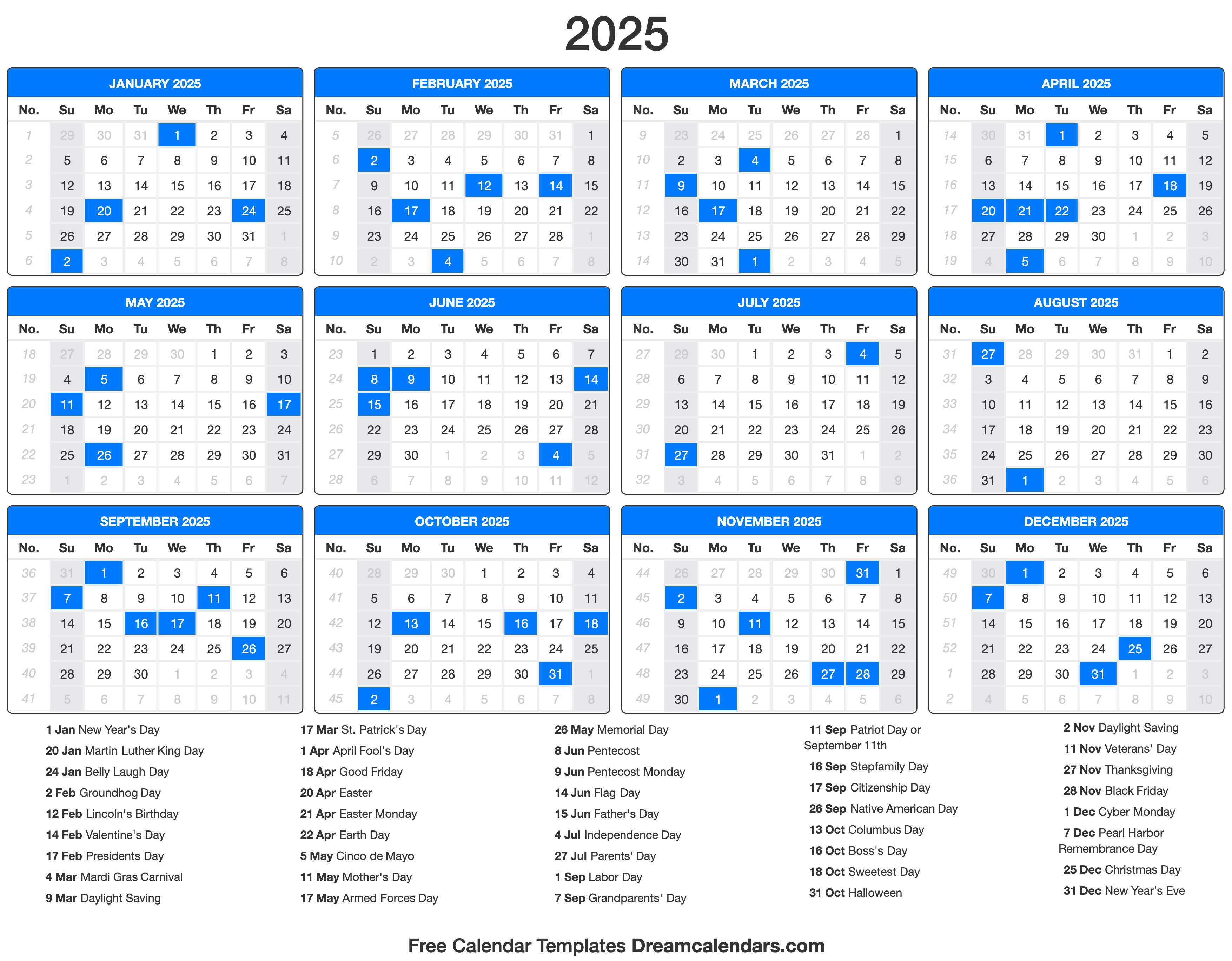
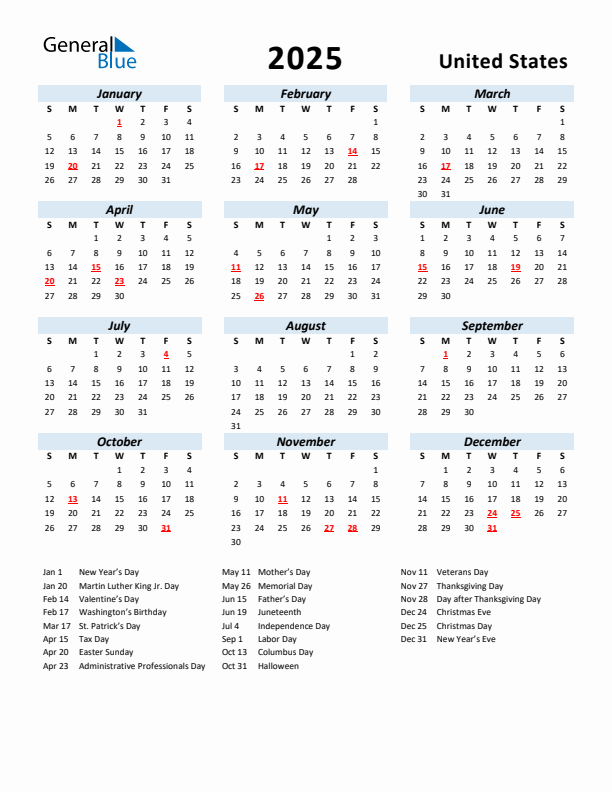
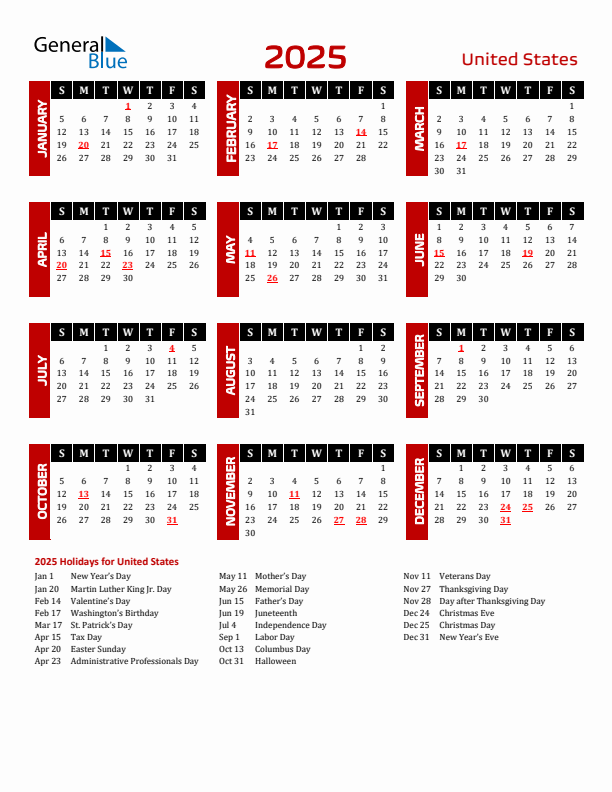
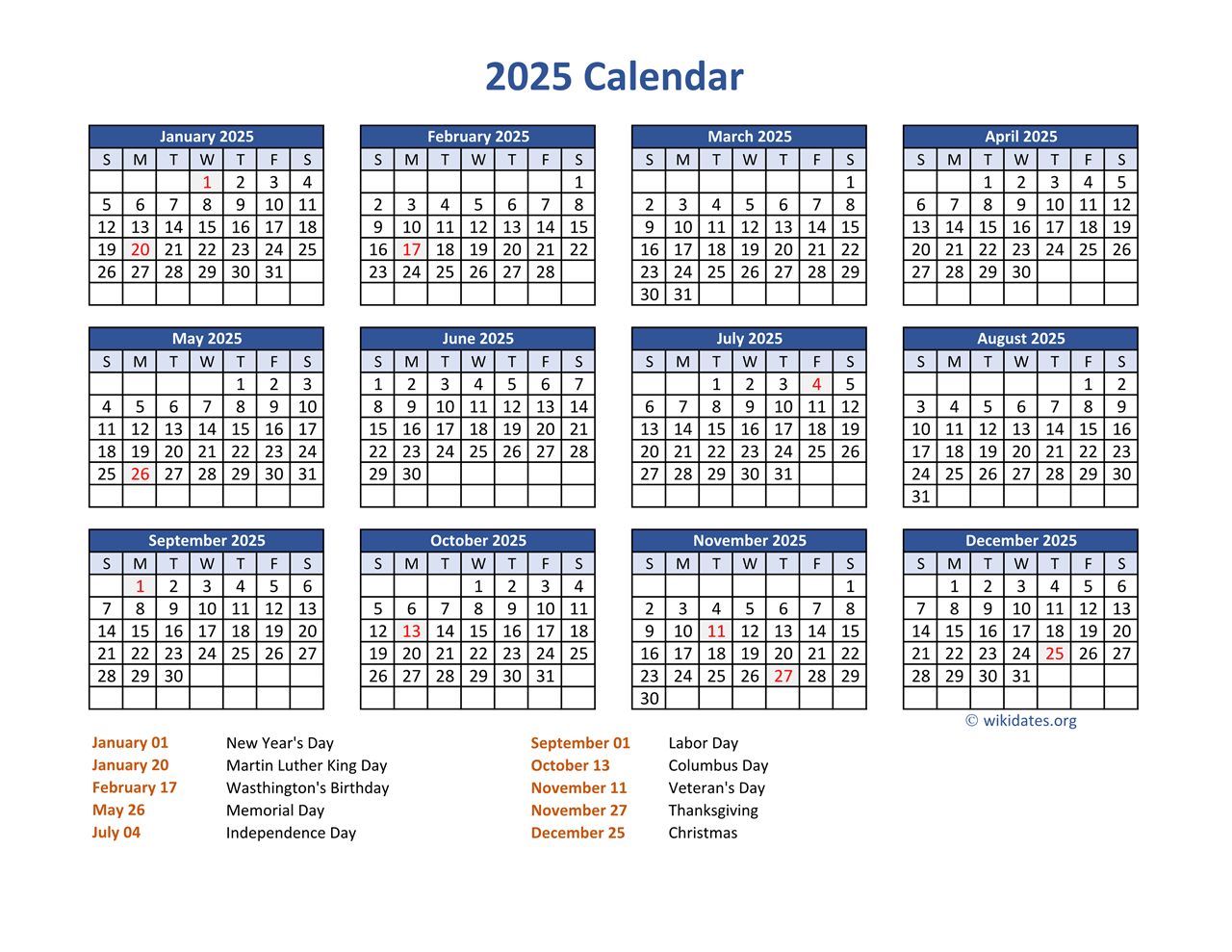
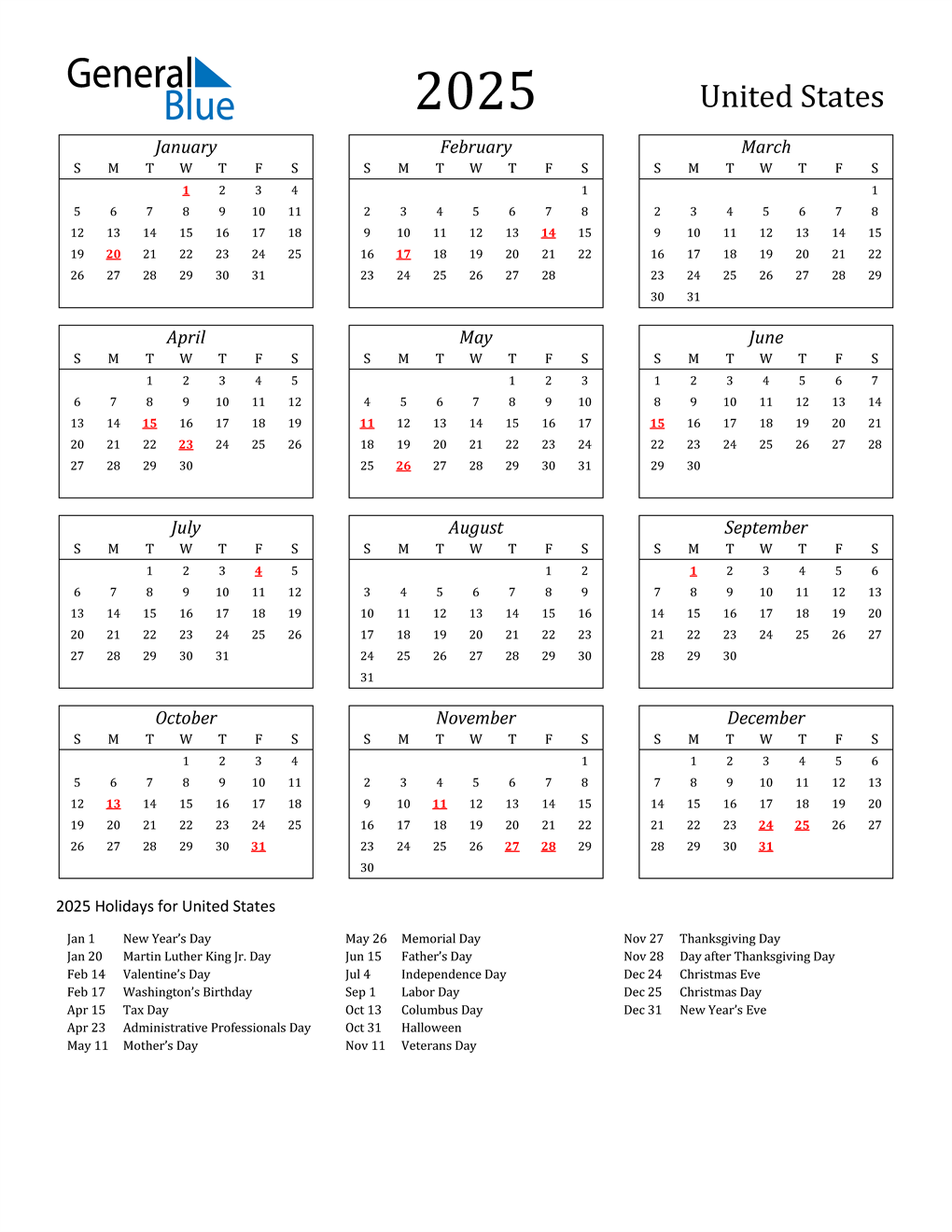
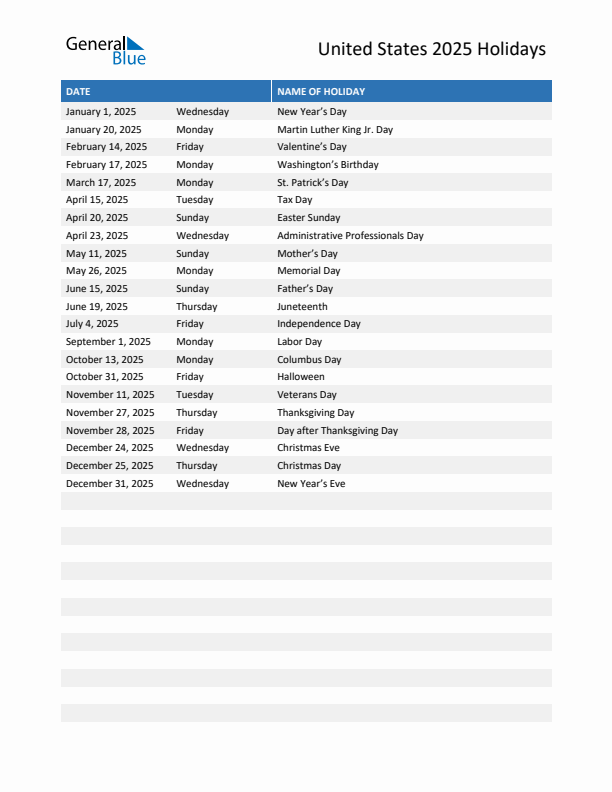
The year 2025 presents a diverse array of non-federal holidays, each with its own unique story and purpose. Here is a glimpse into some notable observances:
January:
- Martin Luther King Jr. Day (January 20): While recognized as a federal holiday, its observance varies across states and institutions. Many communities hold events, marches, and volunteer initiatives to honor Dr. King’s legacy of social justice and equality.
February:
- Groundhog Day (February 2): This quirky tradition, celebrated in Punxsutawney, Pennsylvania, involves a groundhog emerging from its burrow and predicting the length of winter based on its behavior. While primarily a local event, it has gained nationwide recognition as a symbol of hope for spring’s arrival.
- Presidents’ Day (Third Monday of February): Although officially designated as Washington’s Birthday, many businesses and institutions celebrate Presidents’ Day as a broader recognition of all U.S. presidents.
March:
- St. Patrick’s Day (March 17): This Irish cultural celebration, marked by parades, green attire, and traditional music, is observed across the United States, particularly in cities with significant Irish-American populations.
April:
- April Fools’ Day (April 1): A lighthearted tradition, often marked by practical jokes and playful pranks, this day encourages a sense of humor and lightheartedness.
- Easter (April 20): While not a federal holiday, Easter is widely celebrated as a Christian holiday commemorating the resurrection of Jesus Christ.
May:
- Cinco de Mayo (May 5): Celebrating the Mexican army’s victory over French forces at the Battle of Puebla in 1862, Cinco de Mayo is a celebration of Mexican culture and heritage.
June:
- Juneteenth (June 19): Commemorating the emancipation of enslaved African Americans in Texas in 1865, Juneteenth is gaining increasing recognition and is now a federal holiday.
July:
- Independence Day (July 4): While a federal holiday, many communities and organizations host additional events, parades, and fireworks displays to celebrate the nation’s independence.
August:
- National Hispanic Heritage Month (September 15 – October 15): While not a specific day, this month-long celebration honors the history, culture, and contributions of Hispanic Americans.
September:
- Labor Day (First Monday of September): A federal holiday, Labor Day is celebrated to honor the contributions of workers and the labor movement.
October:
- Columbus Day (Second Monday of October): While celebrated federally, Columbus Day is increasingly debated and often observed as Indigenous Peoples’ Day, recognizing the history and cultures of Native Americans.
- Halloween (October 31): A popular celebration, Halloween is marked by costumes, trick-or-treating, and spooky decorations.
November:
- Veterans Day (November 11): A federal holiday, Veterans Day honors the service and sacrifices of all U.S. veterans.
- Thanksgiving (Fourth Thursday of November): A federal holiday, Thanksgiving is celebrated for its historical significance and as a time for family gatherings and feasts.
December:
- Hanukkah (December 12 – December 20): An eight-day Jewish festival commemorating the rededication of the Second Temple in Jerusalem, Hanukkah is observed with the lighting of candles on a menorah.
- Christmas (December 25): While not a federal holiday, Christmas is widely celebrated as a Christian holiday commemorating the birth of Jesus Christ.
- Kwanzaa (December 26 – January 1): A seven-day celebration of African-American culture and heritage, Kwanzaa emphasizes community, self-determination, and unity.
Beyond Specific Dates
The calendar year 2025 also presents opportunities for observing numerous non-federal holidays that may fall on different dates depending on the year or specific region. These include:
- Earth Day (April 22): Dedicated to environmental awareness and action, Earth Day is celebrated globally with various events and initiatives.
- Mother’s Day (Second Sunday of May): A day to honor mothers and motherhood, Mother’s Day is celebrated with gifts, cards, and special meals.
- Father’s Day (Third Sunday of June): A day to celebrate fathers and fatherhood, Father’s Day is often marked with gifts, outings, and expressions of appreciation.
- Memorial Day (Last Monday of May): A federal holiday, Memorial Day honors those who died in service to the United States.
Understanding the Importance of Non-Federal Holidays
Non-federal holidays, while not officially mandated, play a crucial role in shaping the cultural landscape of the United States. They offer opportunities for:
- Preserving Cultural Heritage: These holidays serve as a conduit for preserving and celebrating diverse cultural traditions, ensuring the continuity of historical knowledge and practices.
- Promoting Community Cohesion: Observances of non-federal holidays often involve community events, parades, and celebrations that bring people together, fostering a sense of shared identity and belonging.
- Enhancing Historical Awareness: Non-federal holidays often commemorate significant historical events, reminding individuals and communities of their past and its impact on the present.
- Encouraging Civic Engagement: Many non-federal holidays inspire volunteerism, charitable contributions, and social activism, promoting a spirit of civic responsibility and community service.
FAQs
Q: Are non-federal holidays recognized by employers?
A: The observance of non-federal holidays is generally at the discretion of individual employers. Some businesses may choose to recognize and offer time off for certain non-federal holidays, particularly those that are widely celebrated in their region or industry. It is essential for employees to consult their company’s policies or directly inquire about their specific holiday observances.
Q: How can I learn more about non-federal holidays in my area?
A: Local libraries, historical societies, and community organizations often provide information about non-federal holidays celebrated in their respective regions. Online resources, such as local news websites and historical archives, can also be valuable sources of information.
Q: What are some ways to celebrate non-federal holidays?
A: Celebrating non-federal holidays can be as simple as learning about their history and significance, attending local events, or incorporating traditional foods and customs into daily life. Individuals and families can also choose to observe these days through acts of service, volunteer work, or cultural experiences.
Tips for Observing Non-Federal Holidays
- Research and Learn: Take the time to understand the history and significance of the non-federal holiday you are celebrating. This will enrich your appreciation and understanding of the observance.
- Engage with Local Events: Many communities host events, parades, and festivals to celebrate non-federal holidays. Participating in these events can be a fun and interactive way to connect with your community.
- Incorporate Traditions: Learn about the traditional foods, customs, and activities associated with the non-federal holiday. Incorporating these elements into your celebration can create a more authentic and enriching experience.
- Share the Knowledge: Share your knowledge and appreciation of non-federal holidays with others. Encourage conversations and learning about different cultural traditions and historical events.
Conclusion
The diverse array of non-federal holidays observed across the United States reflects the rich tapestry of cultures, histories, and traditions that make up the nation. Recognizing and celebrating these observances provides a deeper understanding of the nation’s past, present, and future, fostering a sense of community and cultural awareness. By embracing these holidays, individuals and communities can connect with their heritage, engage with their neighbors, and celebrate the unique mosaic of American life.
Closure
Thus, we hope this article has provided valuable insights into Navigating the Calendar: Understanding Non-Federal Holidays in 2025. We appreciate your attention to our article. See you in our next article!