Navigating The German Federal Holidays In 2025: A Comprehensive Guide
Navigating the German Federal Holidays in 2025: A Comprehensive Guide
Navigating the German Federal Holidays in 2025: A Comprehensive Guide
Introduction
In this auspicious occasion, we are delighted to delve into the intriguing topic related to Navigating the German Federal Holidays in 2025: A Comprehensive Guide. Let’s weave interesting information and offer fresh perspectives to the readers.
Table of Content
Navigating the German Federal Holidays in 2025: A Comprehensive Guide
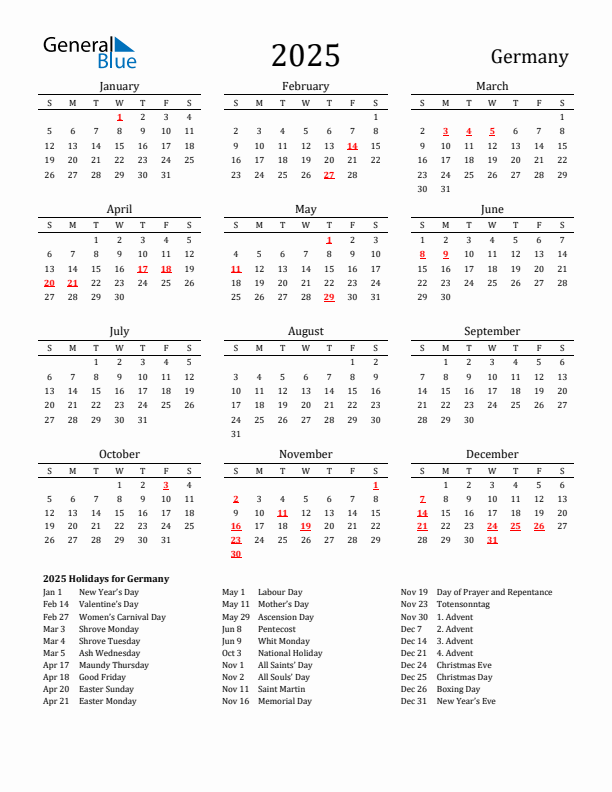
Germany, a land rich in history and culture, observes a number of federal holidays each year. These holidays, often celebrated with public events and family gatherings, provide a chance for reflection, remembrance, and enjoyment. Understanding the dates and significance of these holidays is essential for anyone planning to visit or live in Germany in 2025.
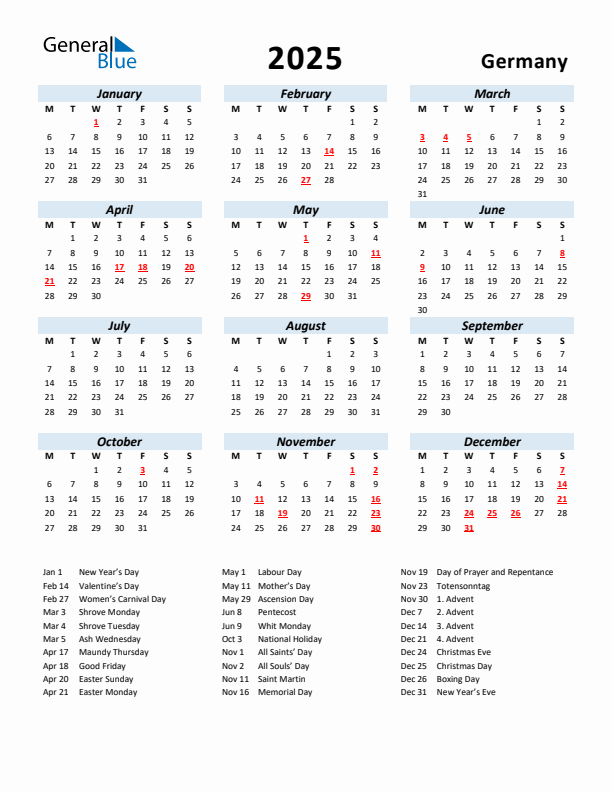
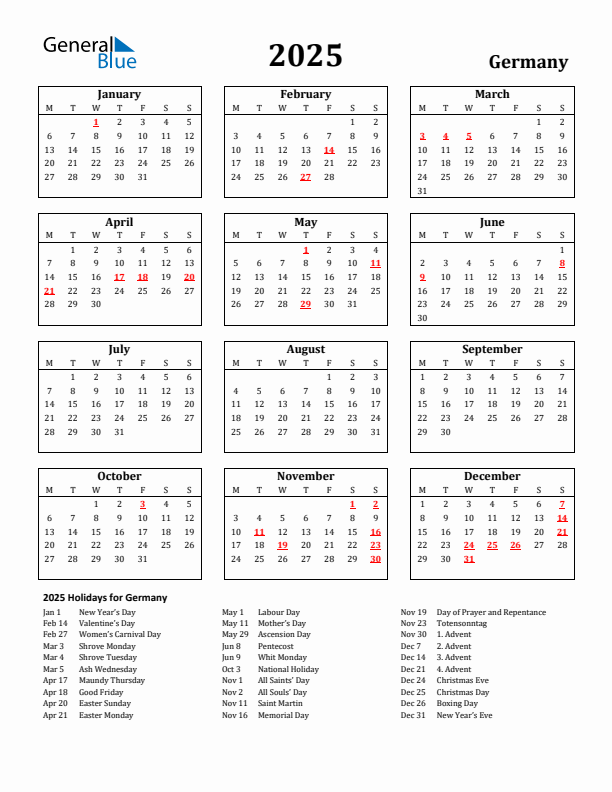
The Calendar of German Federal Holidays in 2025
January
- New Year’s Day (Neujahr): January 1st marks the beginning of a new year and is a day for fresh starts and resolutions. This is a widely celebrated holiday, with many festivities taking place across the country.
March
- Good Friday (Karfreitag): This Christian holiday commemorates the crucifixion of Jesus Christ and falls on a Friday before Easter Sunday. It is a day of reflection and solemnity, with many businesses and shops closed.
April
- Easter Monday (Ostermontag): The day after Easter Sunday, this holiday is often associated with springtime and family gatherings. It is a popular time for outdoor activities and picnics.
May
-
Day of Labour (Tag der Arbeit): This holiday, celebrated on May 1st, commemorates the achievements of the labor movement and the importance of workers’ rights. It is a day for rallies, parades, and demonstrations.
-
Ascension Day (Christi Himmelfahrt): This Christian holiday celebrates the ascension of Jesus Christ into heaven and falls on a Thursday, 40 days after Easter Sunday. It is a day for religious observances and often involves family outings.
June
- Whit Monday (Pfingstmontag): This Christian holiday marks the descent of the Holy Spirit upon the Apostles and falls on a Monday, 50 days after Easter Sunday. It is often celebrated with church services and outdoor activities.
October
- Day of German Unity (Tag der Deutschen Einheit): This holiday, celebrated on October 3rd, commemorates the reunification of East and West Germany in 1990. It is a day of national pride and celebration.
November
- Reformation Day (Reformationstag): This holiday, celebrated on October 31st in some states, commemorates the beginning of the Protestant Reformation in 1517. It is a day of religious significance and historical reflection.
December
-
Christmas Day (Erster Weihnachtsfeiertag): This Christian holiday celebrates the birth of Jesus Christ and falls on December 25th. It is a time for family gatherings, gift-giving, and festive celebrations.
-
Boxing Day (Zweiter Weihnachtsfeiertag): This holiday, celebrated on December 26th, is a continuation of the Christmas celebrations and is often seen as a day for relaxing and enjoying time with loved ones.
The Importance of German Federal Holidays
These holidays offer a unique opportunity to experience German culture and traditions. They provide a chance to:
- Connect with History: Many holidays, like Reformation Day and Day of German Unity, commemorate significant historical events, allowing for deeper understanding of the country’s past.
- Embrace Tradition: Holidays like Christmas and Easter are deeply rooted in German traditions, with unique customs and celebrations that offer a glimpse into the country’s cultural heritage.
- Enjoy Time with Family and Friends: Many federal holidays are dedicated to spending time with loved ones, fostering a sense of community and shared experience.
- Reflect on Values: Holidays like Day of Labour and Good Friday encourage reflection on important values like social justice, peace, and compassion.
- Appreciate Nature: Spring holidays like Easter Monday and Ascension Day are often associated with outdoor activities, allowing people to connect with nature and enjoy the changing seasons.
FAQs about German Federal Holidays in 2025
Q: Are all federal holidays observed nationwide in Germany?
A: While most federal holidays are observed nationwide, some holidays, such as Reformation Day, are celebrated only in specific states. It is essential to check the local regulations for each state to confirm which holidays are observed.
Q: Are businesses and shops closed on federal holidays?
A: Generally, businesses and shops are closed on federal holidays. However, some exceptions may apply, particularly for tourist-oriented businesses. It is always advisable to check the opening hours of specific businesses in advance.
Q: What are some typical activities associated with German federal holidays?
A: Activities vary depending on the holiday but often include family gatherings, church services, parades, festivals, concerts, and public events. Many cities and towns host special events and markets to celebrate these holidays.
Q: What are some tips for planning a trip to Germany around federal holidays?
A:
- Book accommodations and transportation in advance: Federal holidays are popular travel times, so it is crucial to secure bookings well in advance to avoid disappointment.
- Be aware of potential crowds: Many attractions and events are likely to be crowded during federal holidays. Plan your itinerary accordingly and consider visiting less popular destinations.
- Research local customs and traditions: Understanding the significance of each holiday can enhance your travel experience and allow you to appreciate the local culture.
- Check opening hours and availability of services: Many businesses and services may have limited hours or be closed on federal holidays. It is essential to check the operating hours of specific places in advance.
Conclusion
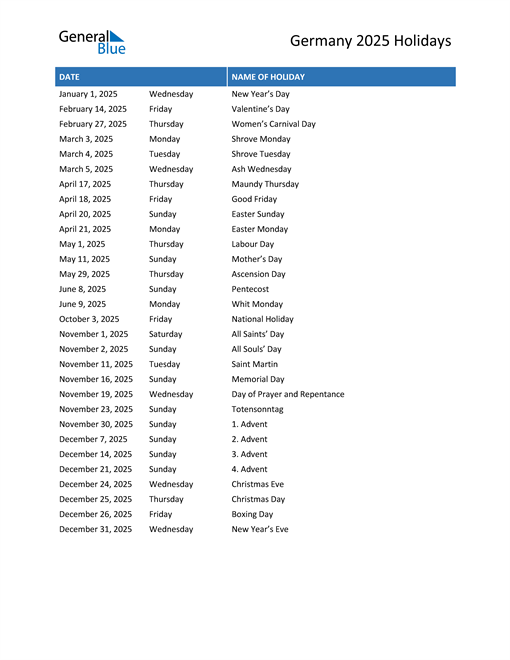
The German federal holidays in 2025 offer a rich tapestry of cultural experiences and provide a unique opportunity to engage with the country’s history, traditions, and values. By understanding the dates, significance, and local customs associated with each holiday, visitors and residents alike can make the most of these special occasions and enjoy the many benefits they offer.
Closure
Thus, we hope this article has provided valuable insights into Navigating the German Federal Holidays in 2025: A Comprehensive Guide. We hope you find this article informative and beneficial. See you in our next article!